Category
Techniques & Safety
Essential best practices for safely handling hot wax and lye, proper curing methods, and troubleshooting common crafting issues.
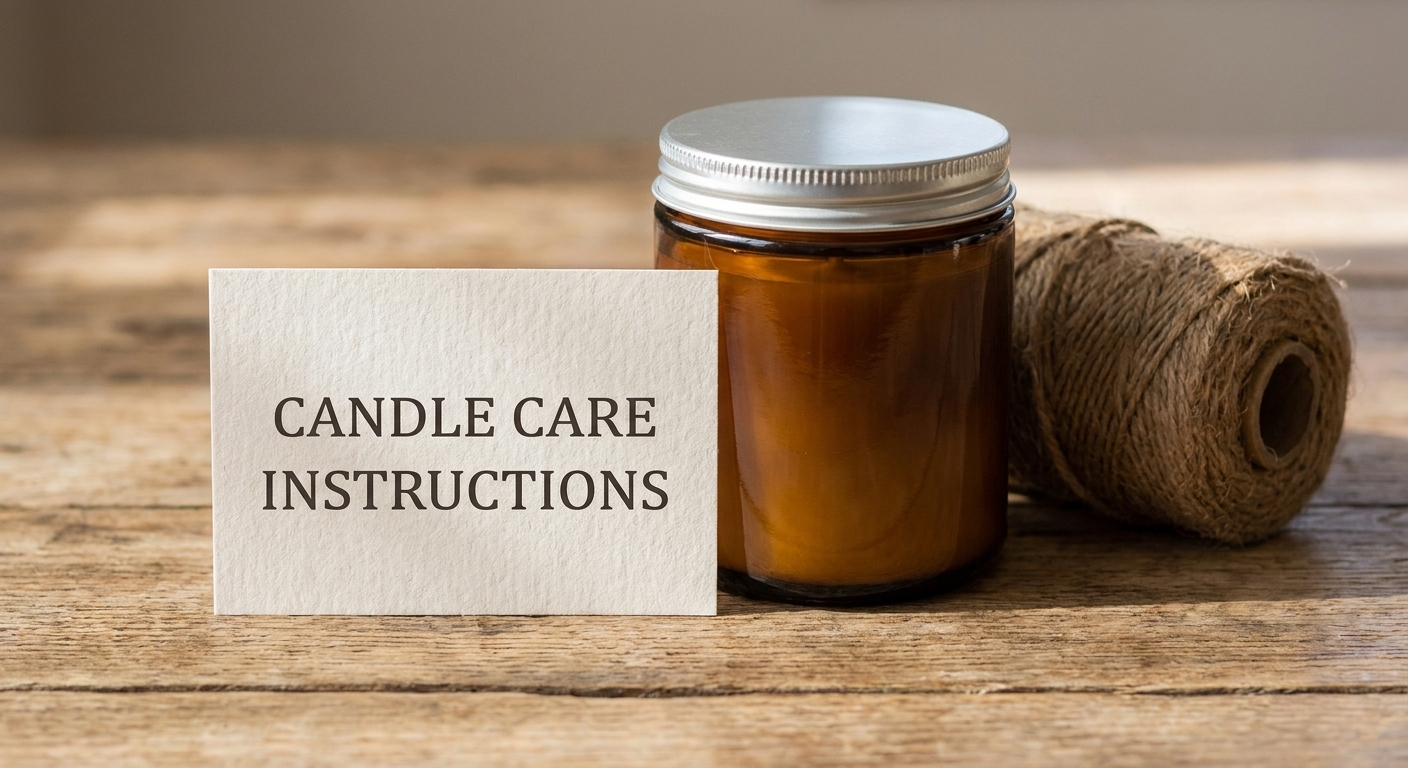
Candle Care Cards and Soap Instructions
If you have ever gifted a candle you poured with your own two hands, you know the feeling: you want the first light to be magical. Warm glow, steady flame, no smoke, and that “I cannot believe you made this” moment. One of the quickest ways to protect that experience is a tiny insert: a candle care...
Read more →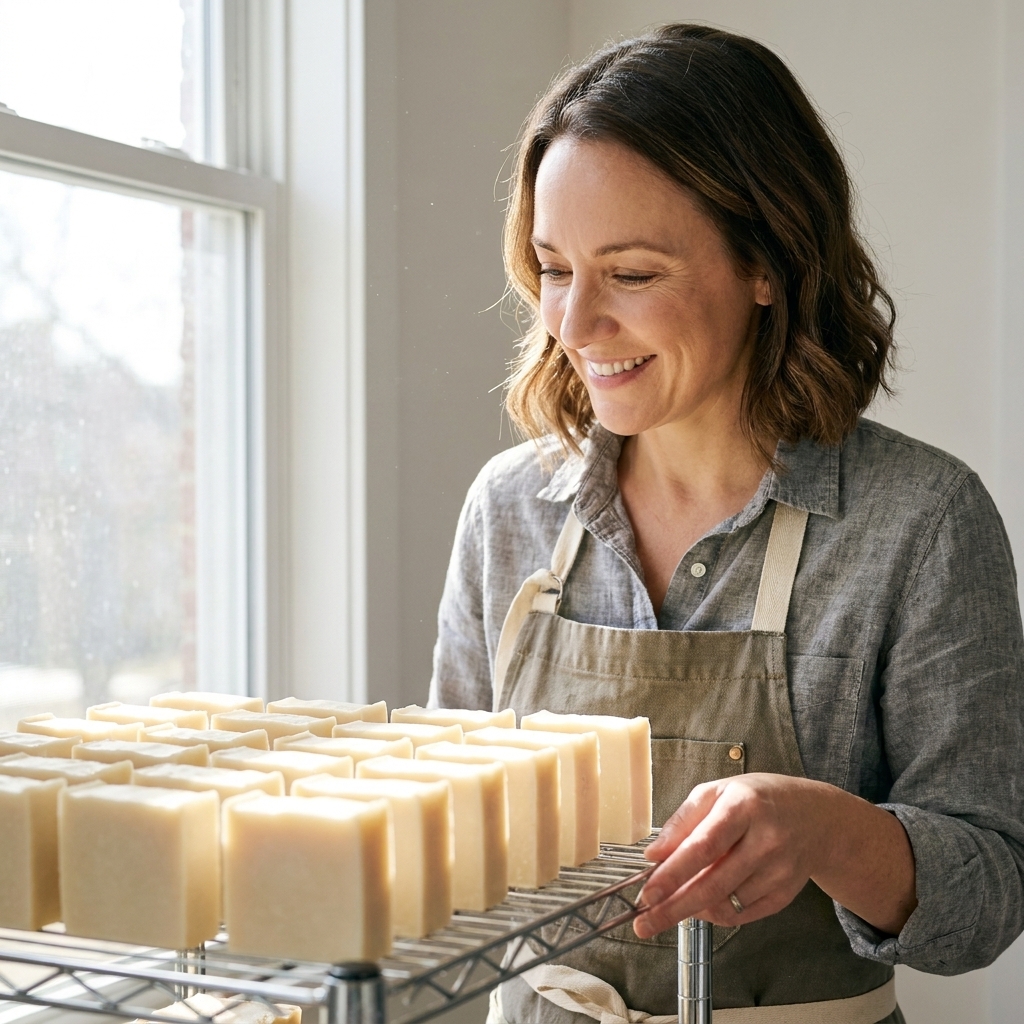
The Perfect Soap Cure
When I first started making cold-process soap, I thought “cure” meant “wait four weeks and try not to touch it.” Truthfully, curing is less about patience and more about environment . Get the temperature, humidity, airflow, and rack setup right, and your bars go from a little bendy to that...
Read more →
About Chloe Bennett
Hi, I’m Chloe Bennett , and welcome to The Candlory . If you’re here because you love the cozy glow of a candle, the creamy slip of a good bar of soap, or the thrill of making something with your own hands, you’re in the right place. I’ve been pouring candles and making cold-process soap for over a...
Read more →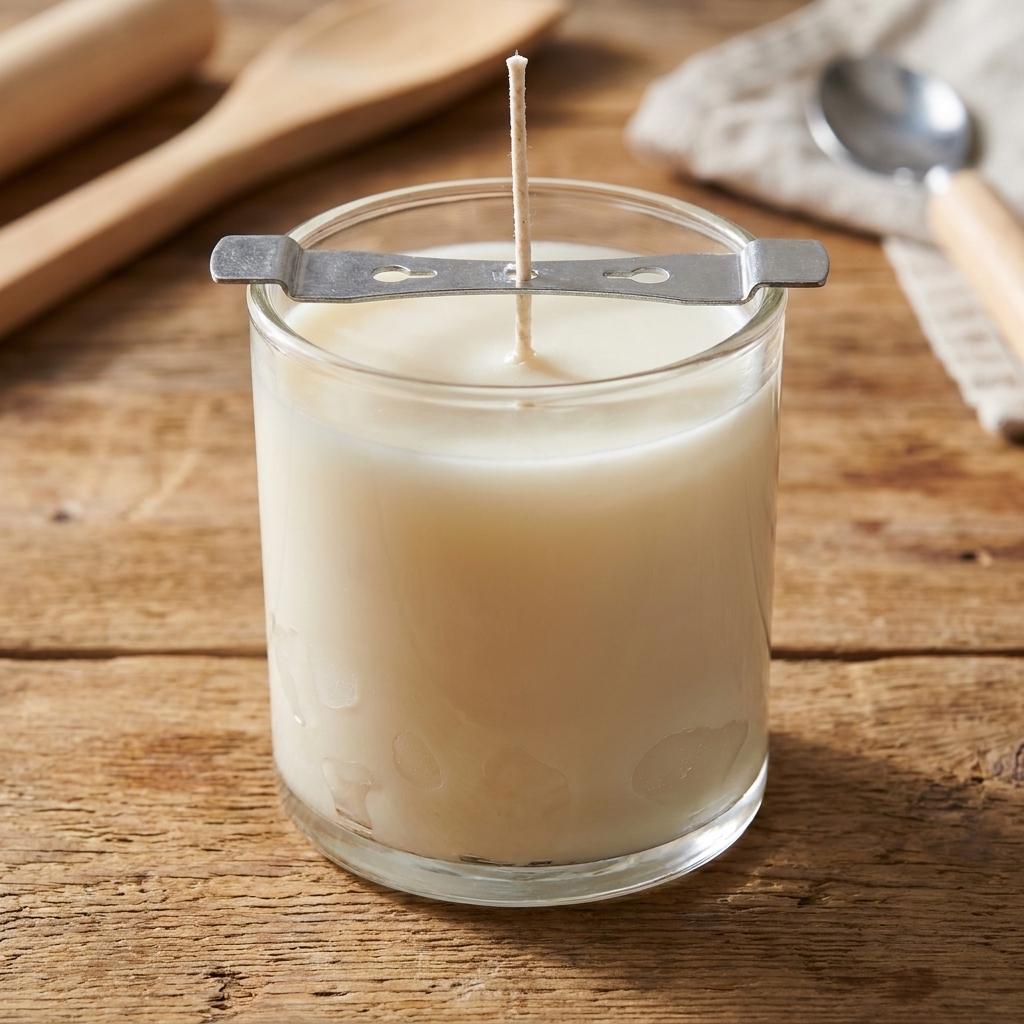
Prevent Wet Spots and Wax Frosting in Jar Candles
Wet spots and frosting are the two “did I do something wrong?” surprises that love to show up in glass jar candles. The twist is that they are usually cosmetic and not automatically a sign your candle will burn poorly. Still, I want to be clear: any candle can be unsafe if the wick is too large,...
Read more →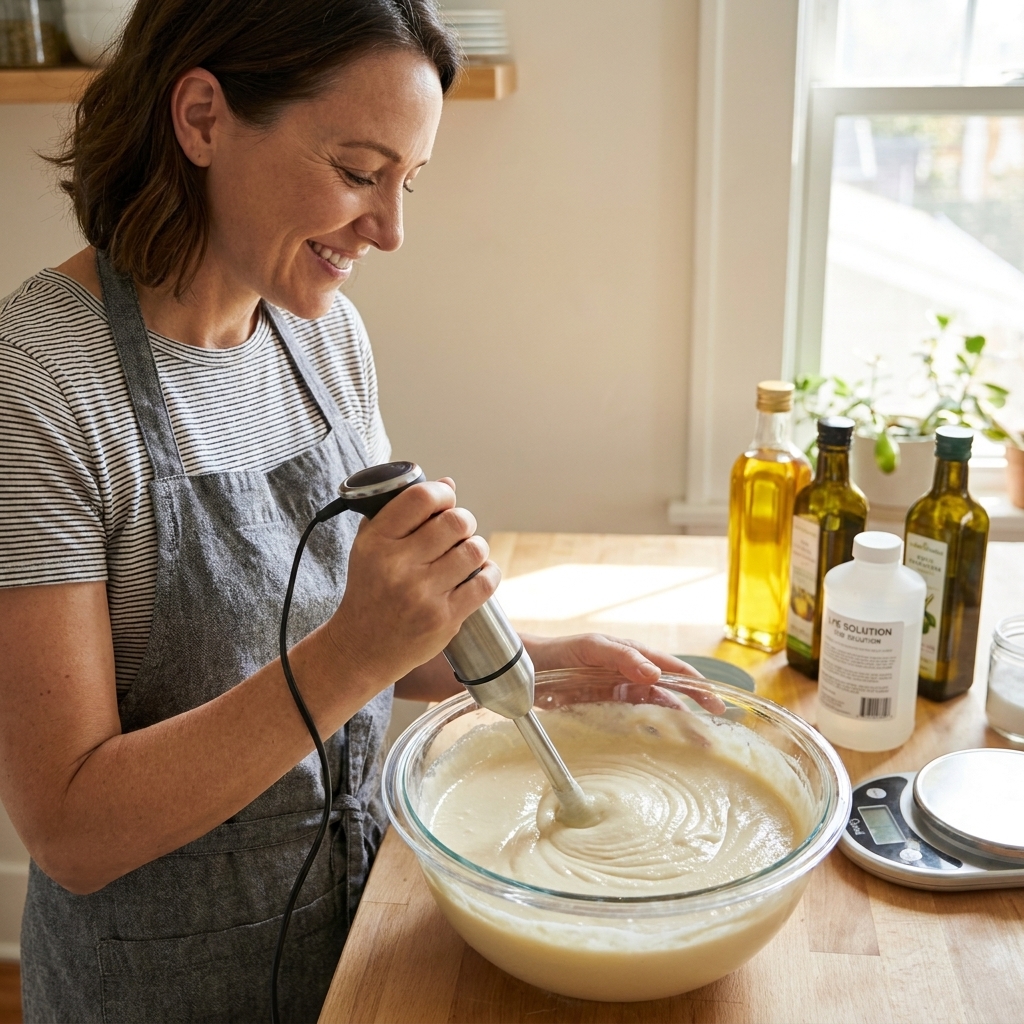
Superfat and Lye Discount for Milder Cold Process Soap
If you have ever made a batch of cold process soap and thought, “Why does this feel a little zappy?” or “Why is this bar so drying?”, you have already bumped into the reason superfatting exists. In calculator terms, superfatting and lye discounting are usually the same math: you intentionally use a...
Read more →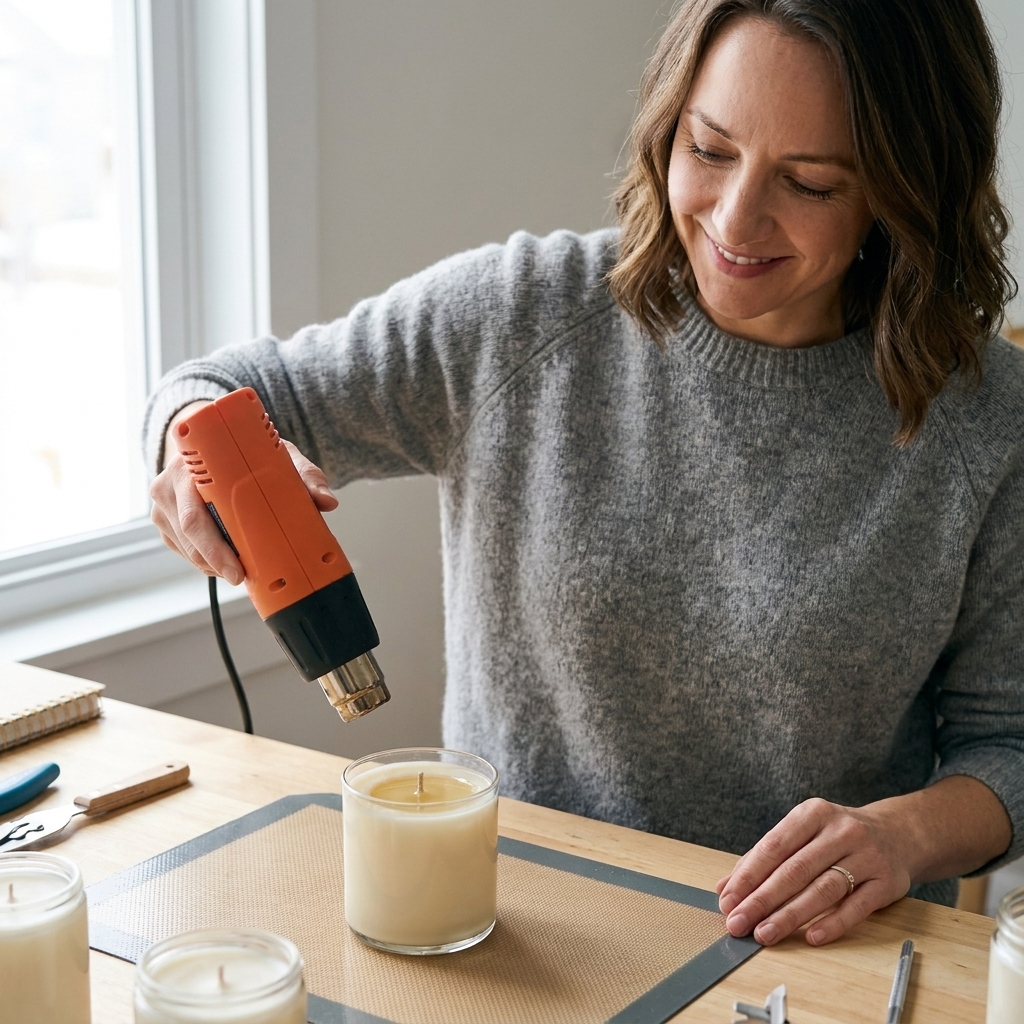
Fix Candle Surface Flaws
Some of my best candles started as ugly ducklings. A cratered top, a lumpy skin, a wick tunnel that looks like it tried to drill to the center of the earth. The good news is that most surface flaws are cosmetic, and the even better news is that the fixes are usually simple if you work slowly, keep...
Read more →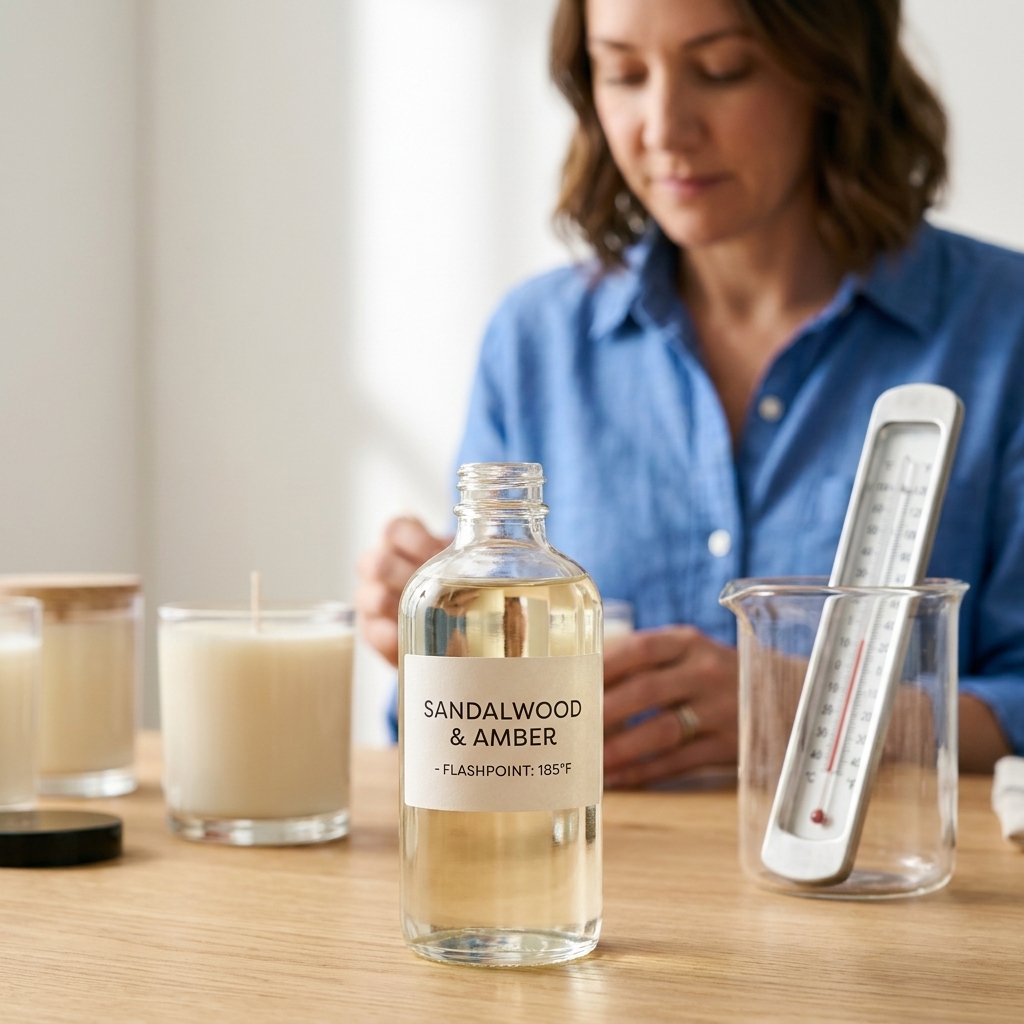
Fragrance Flashpoints: Candle and Soap Safety
Flashpoint is one of those little numbers on a fragrance bottle that can make you feel like you need a lab coat to pour a candle. I remember staring at a label that said Flashpoint: 140°F and wondering if my whole kitchen was about to become a very expensive lesson. Let’s demystify it. In plain...
Read more →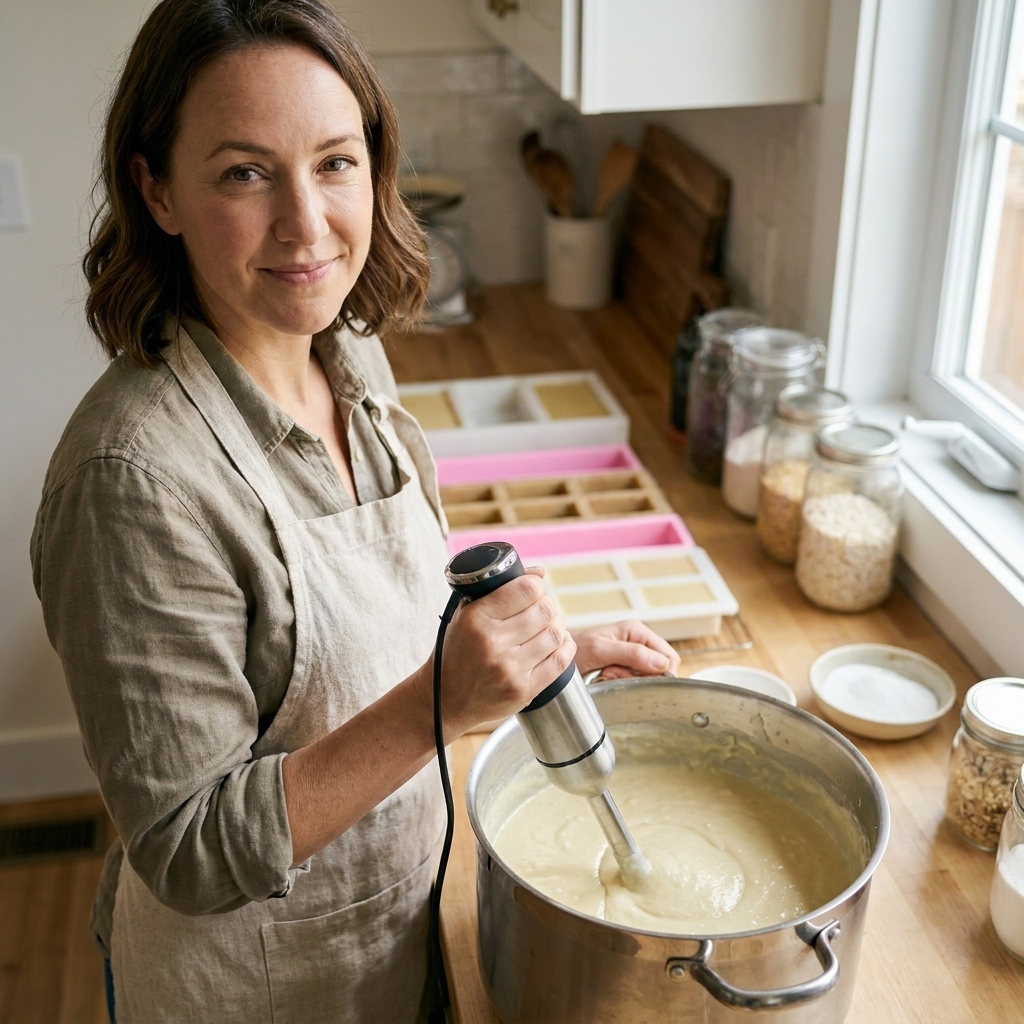
False Trace and Fast Fragrances in Cold-Process Soap
Few things spike a soapmaker’s heart rate like a batter that looks thick and ready, then turns grainy, separates, or goes from silky to concrete the second you add fragrance. The tricky part is that those disasters often start with two lookalikes: false trace and a fast-moving fragrance oil . They...
Read more →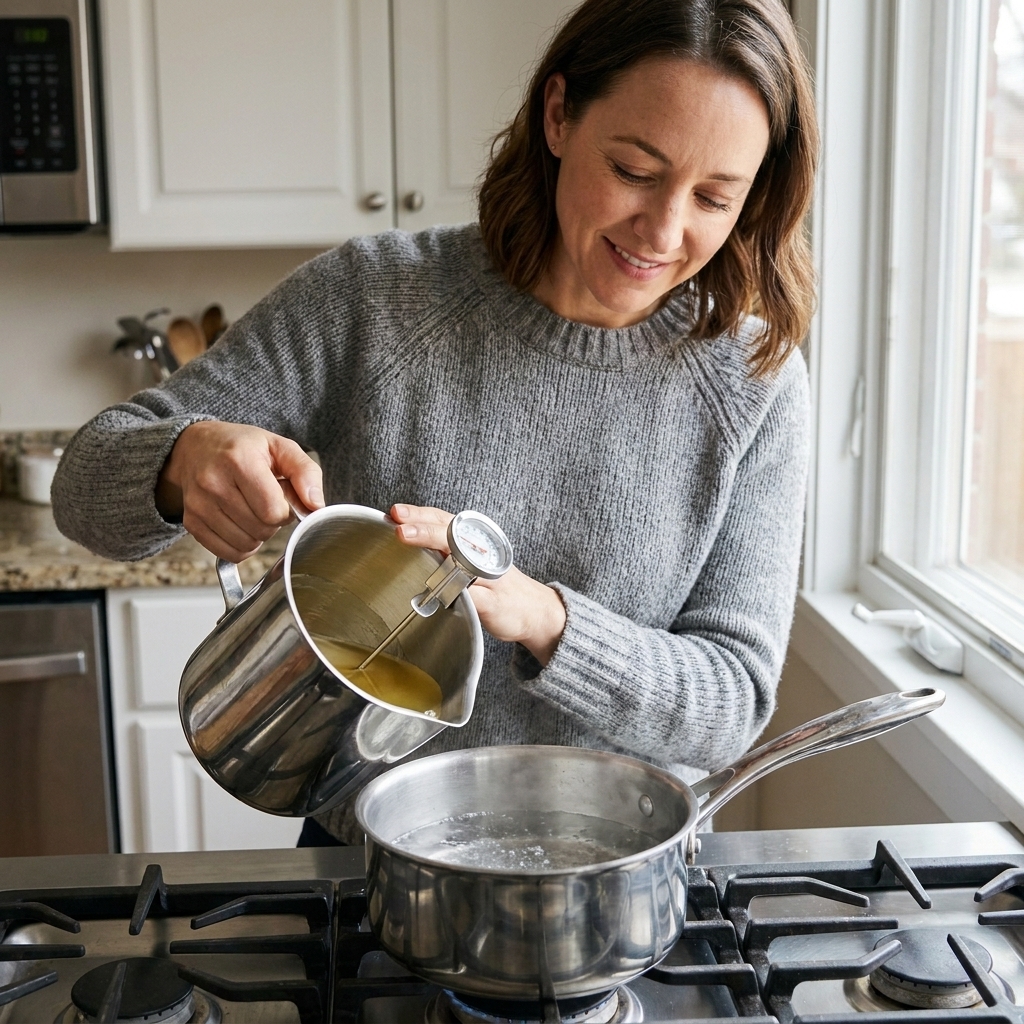
Safe Wax Melting Methods
Melting wax looks innocent until it isn’t. One minute you are daydreaming about a creamy vanilla amber blend, and the next you are hovering over a pot that is far hotter than you realized. Wax is a fuel, and overheated wax can ignite. The goal is simple: melt gently, control temperature, and set up...
Read more →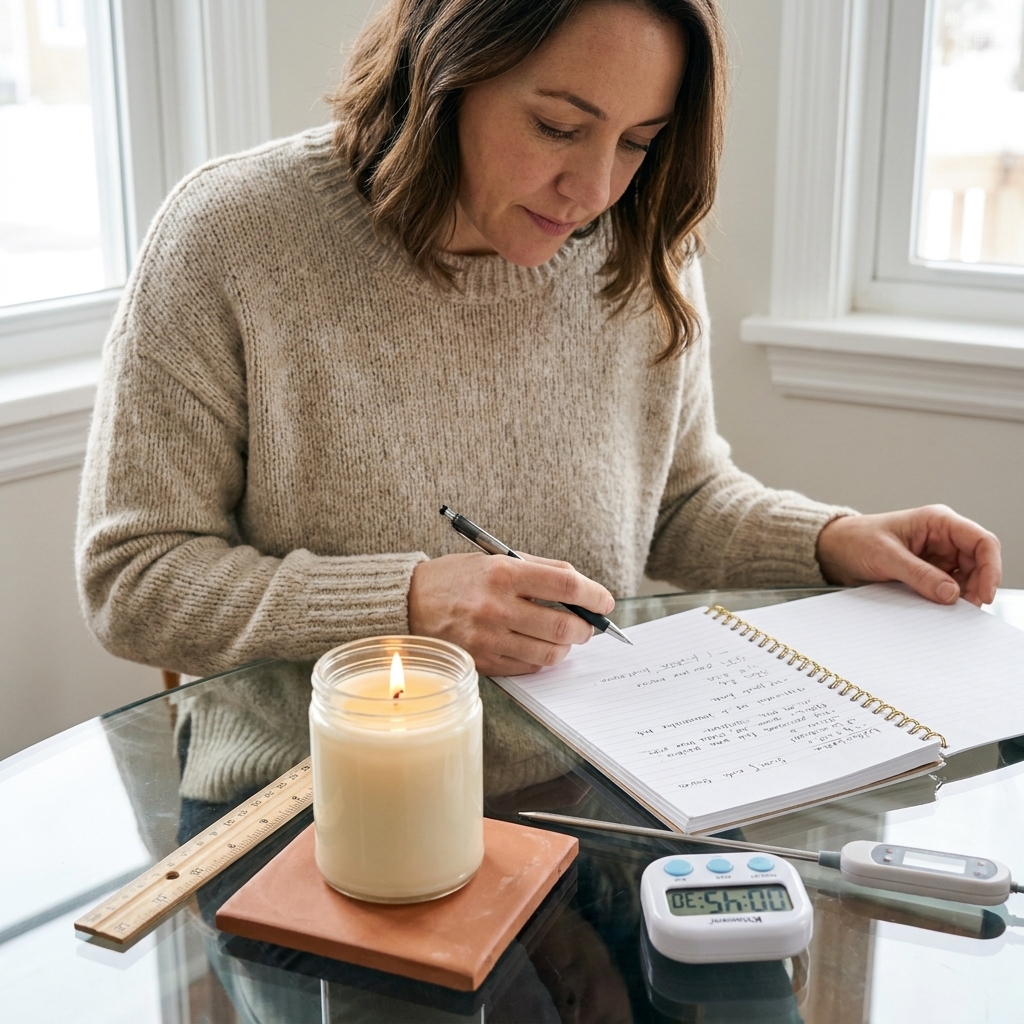
Standard Candle Burn Testing
There is a special kind of satisfaction in lighting a candle you poured yourself and watching it settle into a steady, clean burn. But before a homemade candle is ready to gift, sell, or even keep on your own nightstand, it deserves a standardized burn test . Standardized means you burn it the same...
Read more →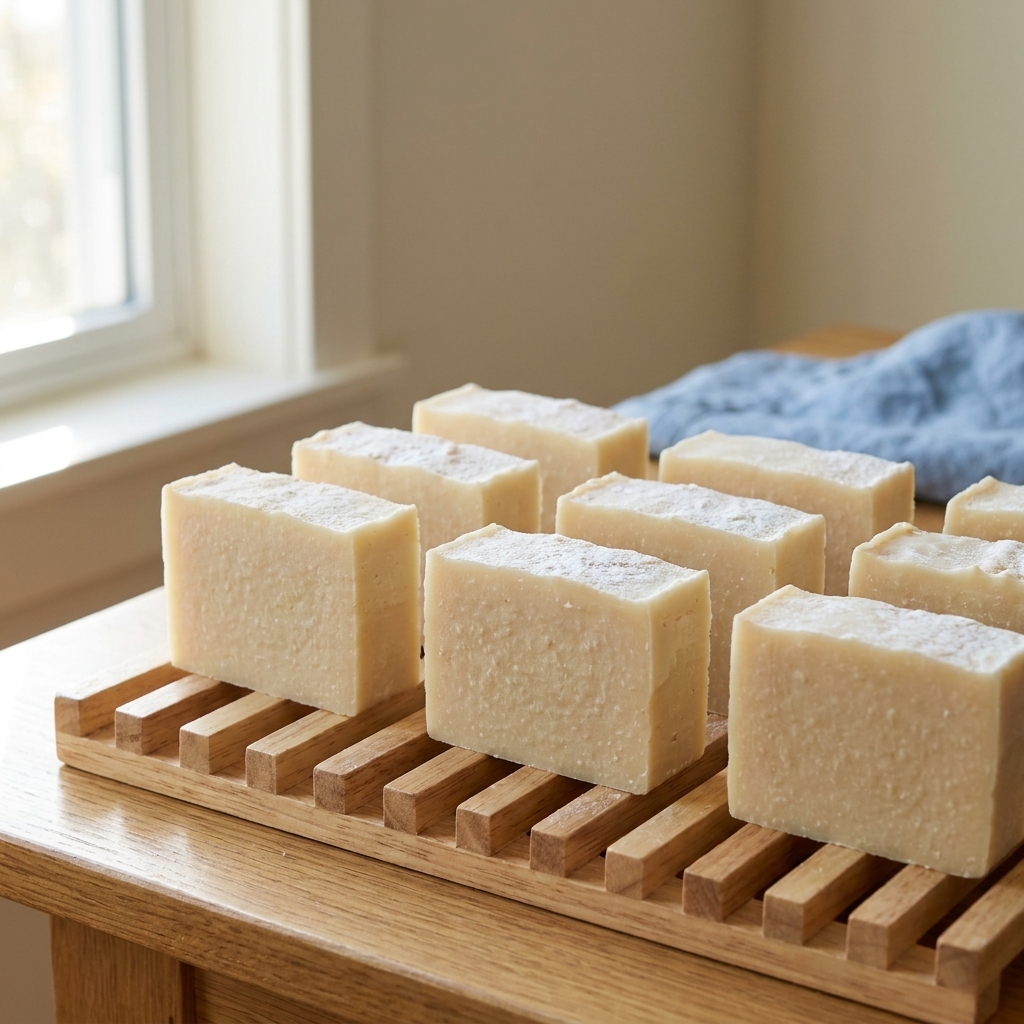
Soda Ash on Soap: What It Is and How to Fix It
If you have ever unmolded a gorgeous loaf of cold process soap and found a ghostly white film on top, you have met soda ash . It can feel like a craft betrayal, especially after you nailed trace, your swirl behaved, and the whole batch smelled like a dream. The good news is that soda ash is usually...
Read more →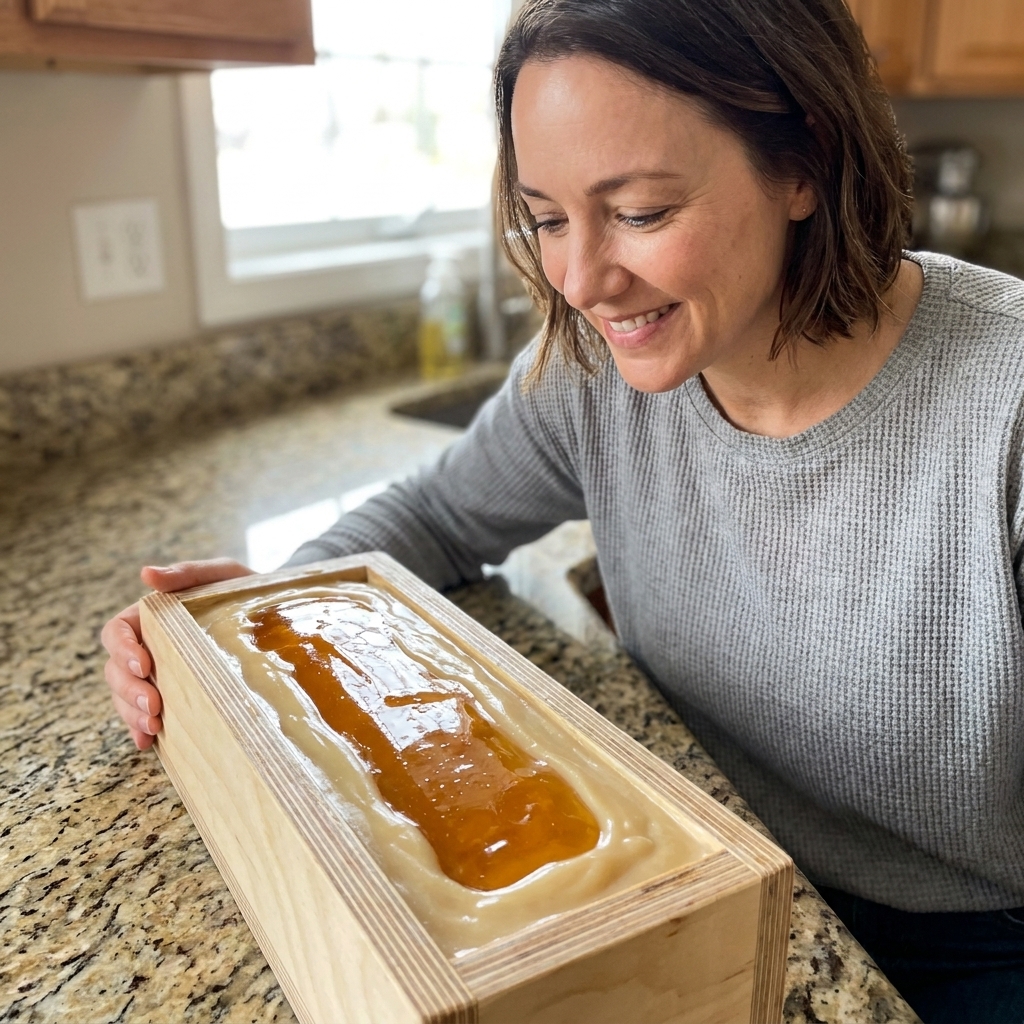
Gel Phase in Cold Process Soap
Gel phase is one of those soapmaking moments that feels a little magical the first time you catch it. You peek under the towel and your batter has turned glossy and translucent, almost like warm petroleum jelly, and the colors suddenly look deeper. Then you panic because it is also very hot. Good...
Read more →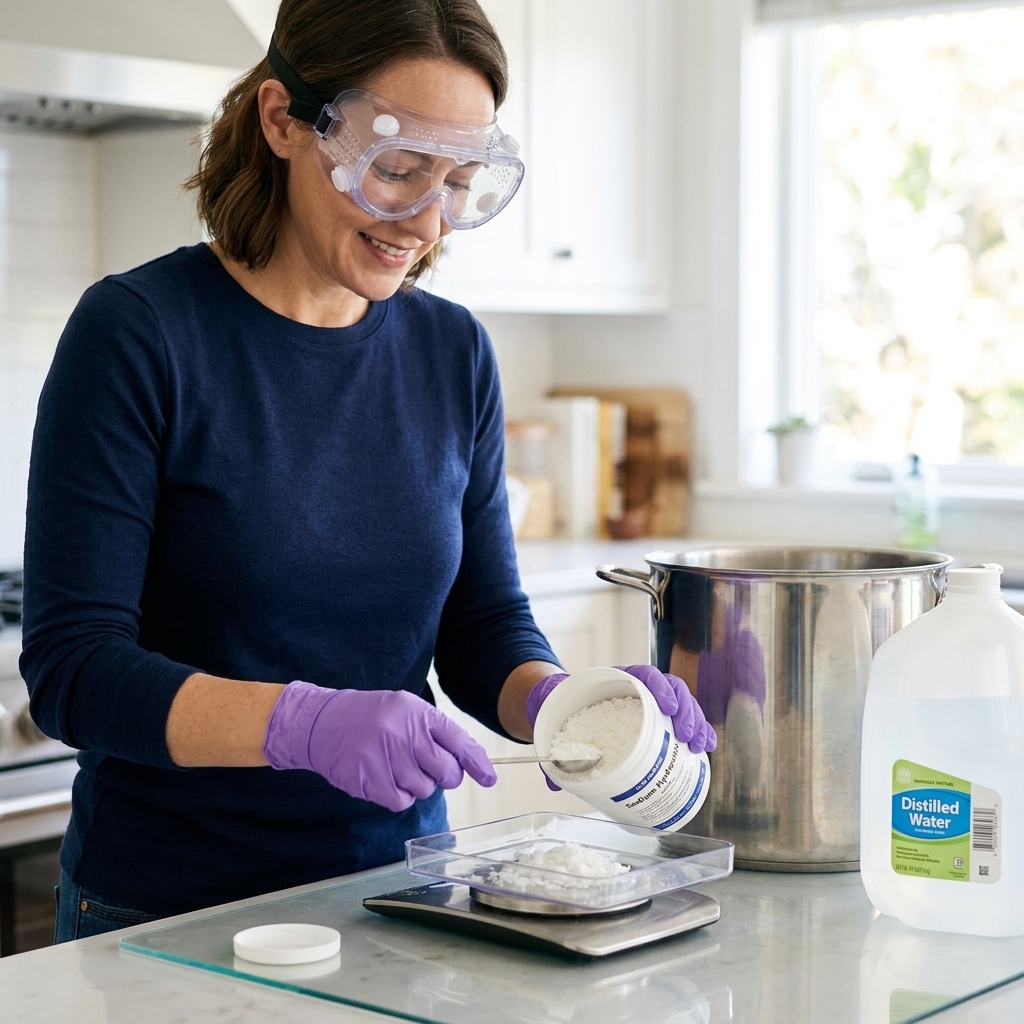
The Ultimate Lye Safety Protocol
Sodium hydroxide (NaOH), also called lye, is a standard ingredient in bar soap. It is also a powerful caustic that can burn skin and eyes, irritate airways, and damage surfaces. The good news is that lye is very manageable when you treat it like a lab chemical for the 10 to 20 minutes you handle...
Read more →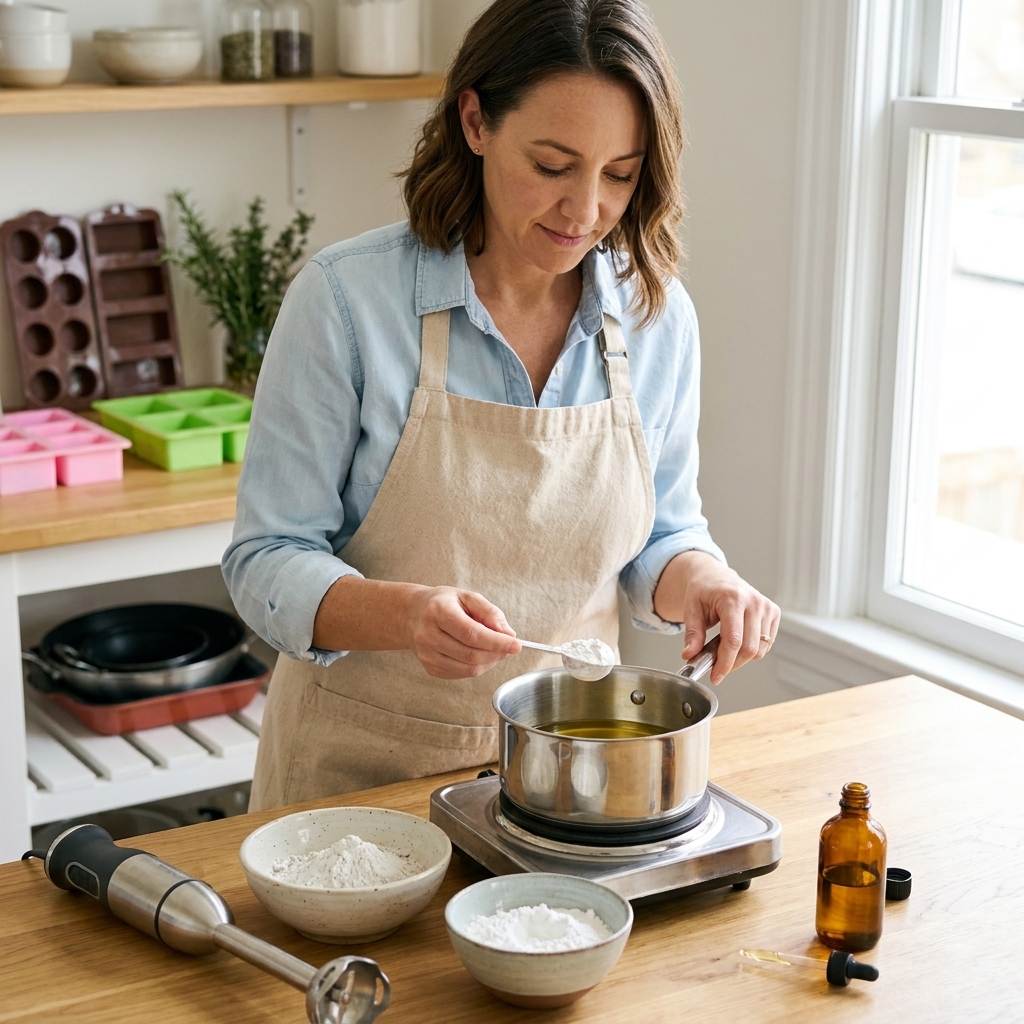
Kaolin Clay and Arrowroot Powder as Soap Scent Anchors
Some scents cling to soap like a cozy sweater. Others, especially bright citrus essential oils, can smell amazing on pour day and then quietly wander off during cure. If you have ever picked up a fully cured bar and thought, “Where did my sweet orange go?”, you are not alone. Two simple...
Read more →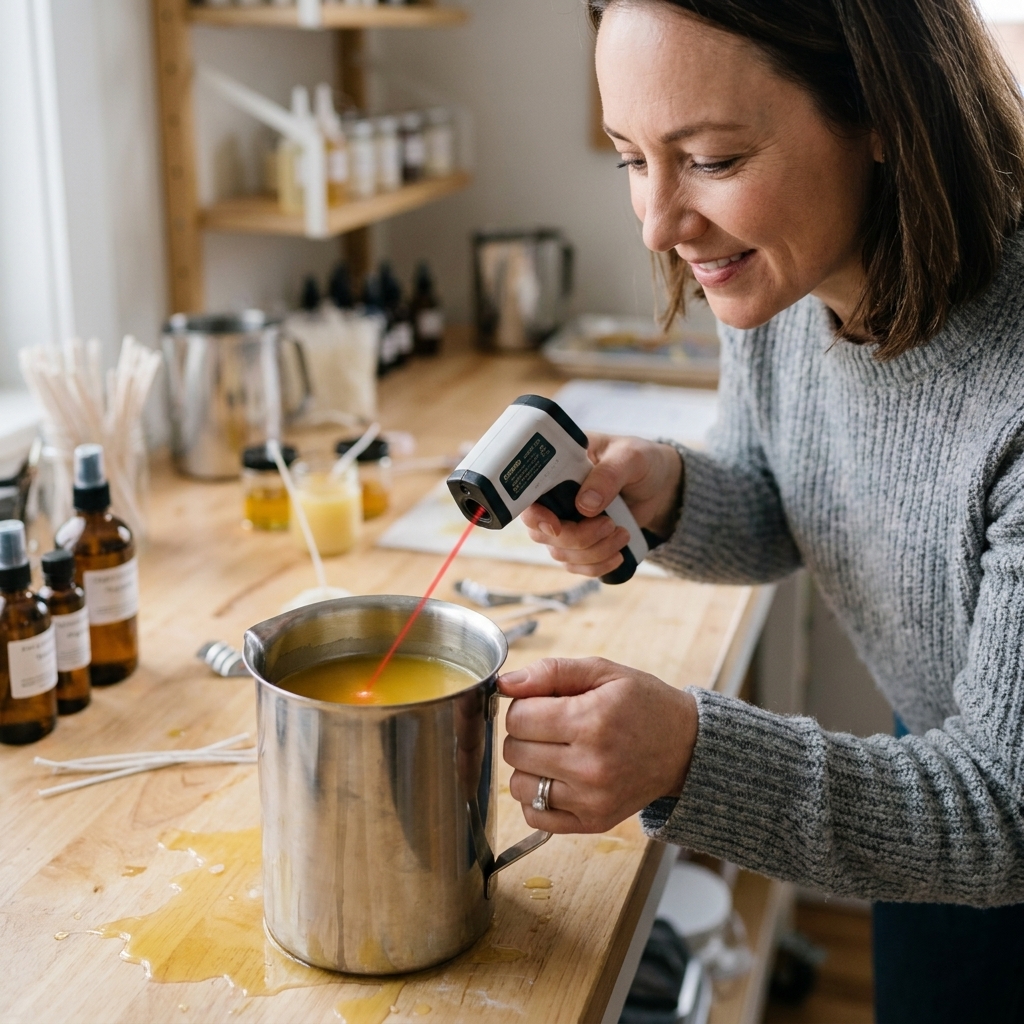
Infrared vs. Probe Thermometers for Wax and Lye
If you have ever had a candle that frosted like a tiny snow globe or a soap batter that went from silky to mashed potatoes in 30 seconds, there is a good chance temperature was part of the story. I used to treat thermometers like “nice to have” tools until I realized they are really consistency...
Read more →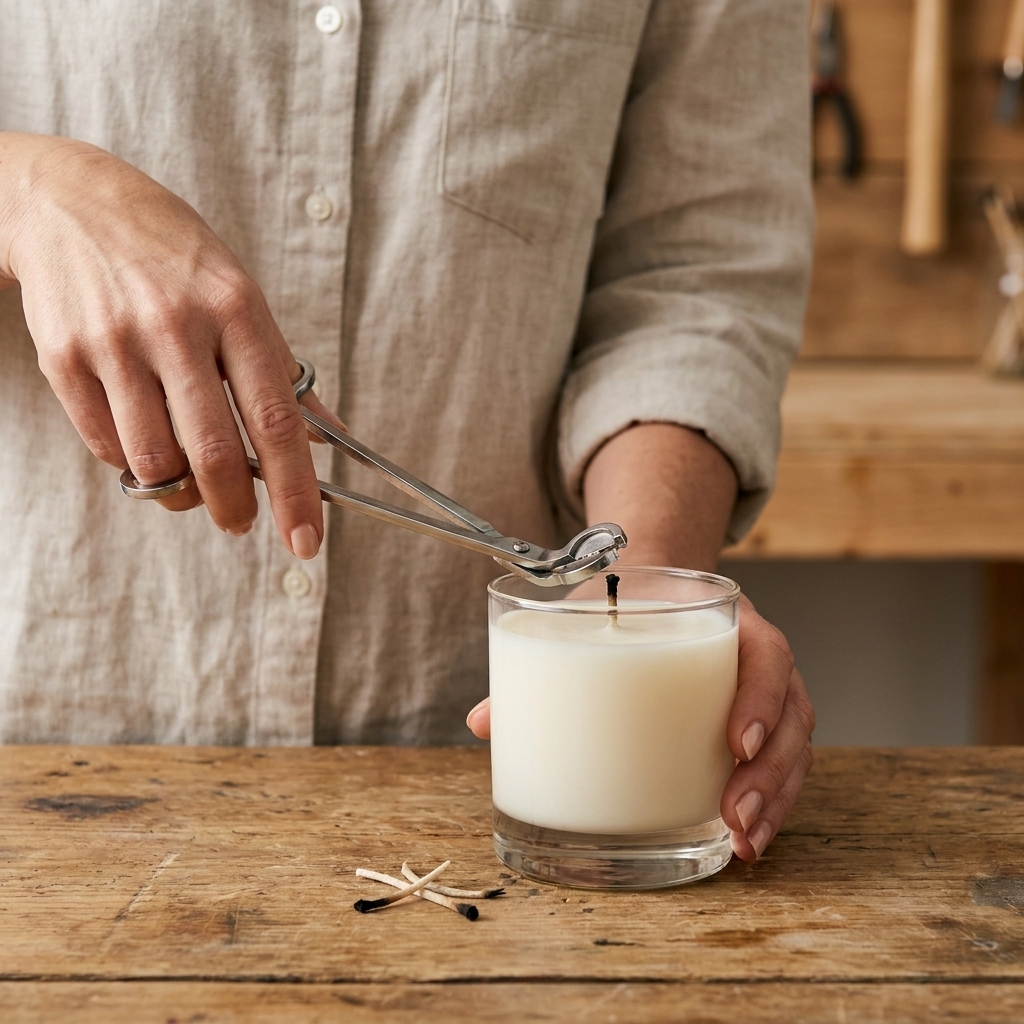
Candle Wick Size Guide
Wick sizing is one of those candle-making skills that feels mysterious until you’ve watched a few candles misbehave. A wick that’s too small will tunnel like it’s trying to escape your jar. A wick that’s too large can roar, smoke, and turn your pretty candle into a sooty science project. The good...
Read more →