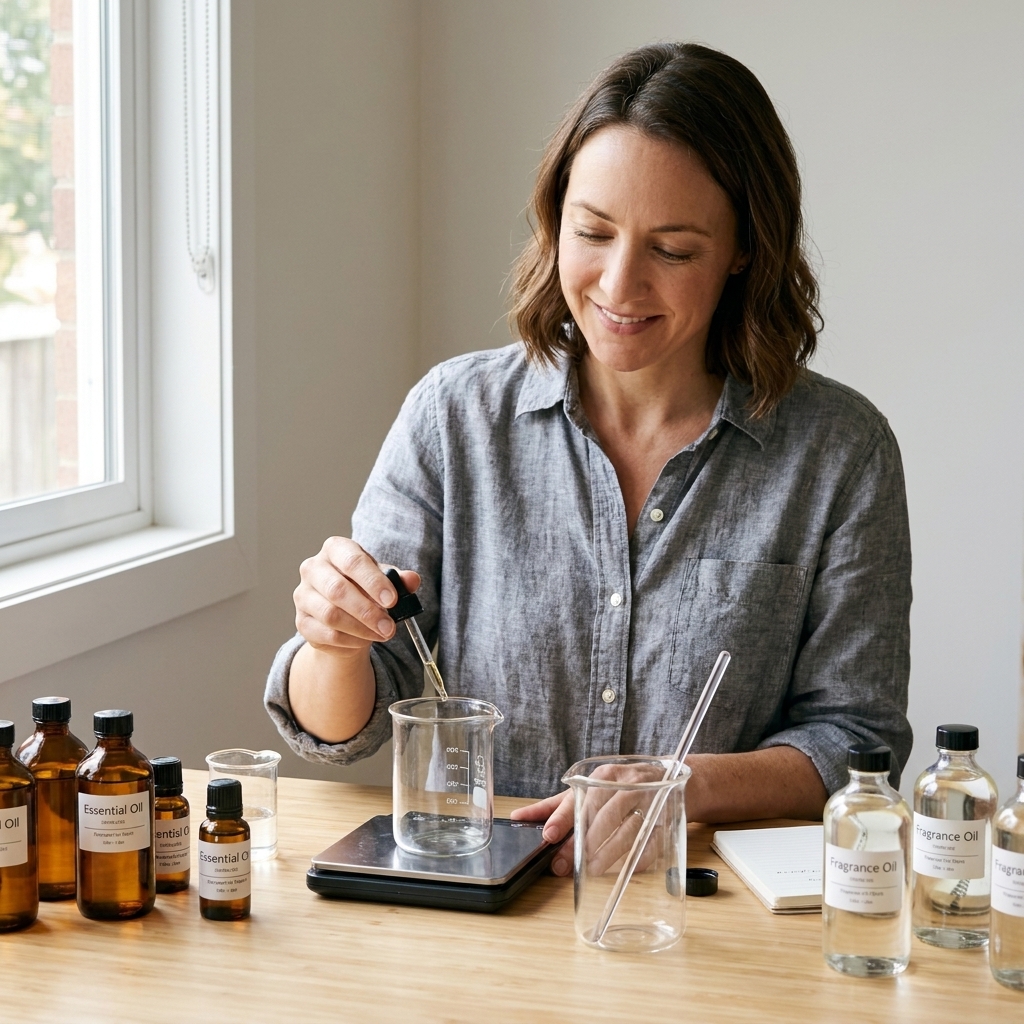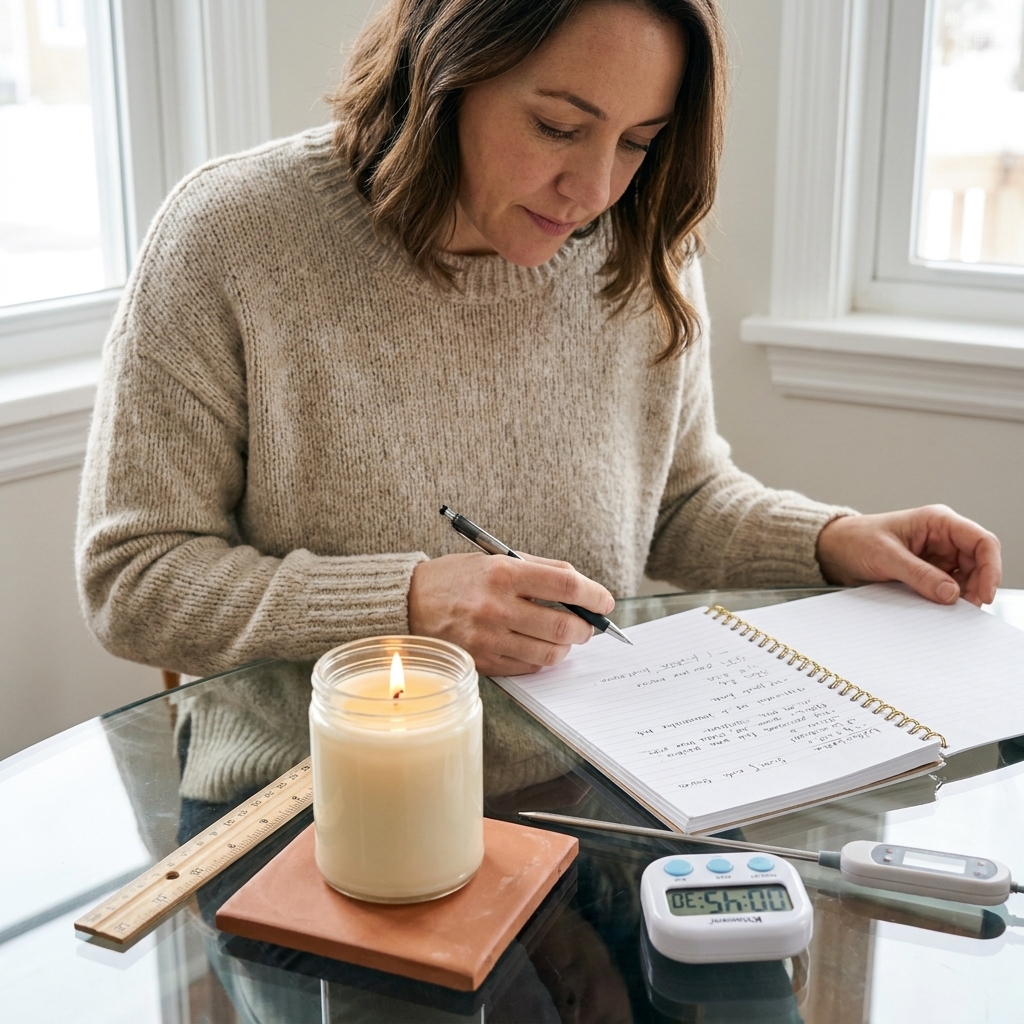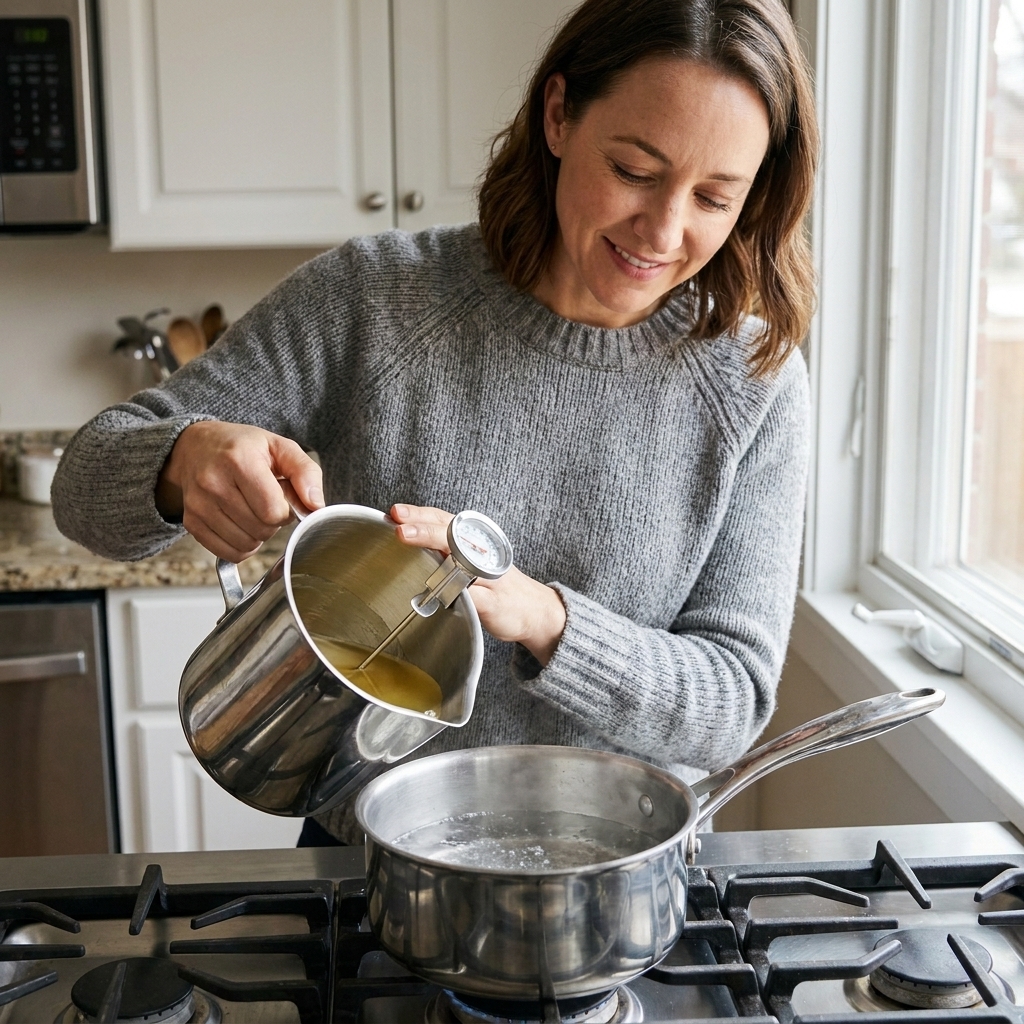
Flashpoint is one of those little numbers on a fragrance bottle that can make you feel like you need a lab coat to pour a candle. I remember staring at a label that said Flashpoint: 140°F and wondering if my whole kitchen was about to become a very expensive lesson.
Let’s demystify it. In plain maker terms, flashpoint is a safety data point about flammable vapor, not a magic “do not use above this temperature” line for candles or soap. It matters, but maybe not in the way most of us assume at first.
What flashpoint means
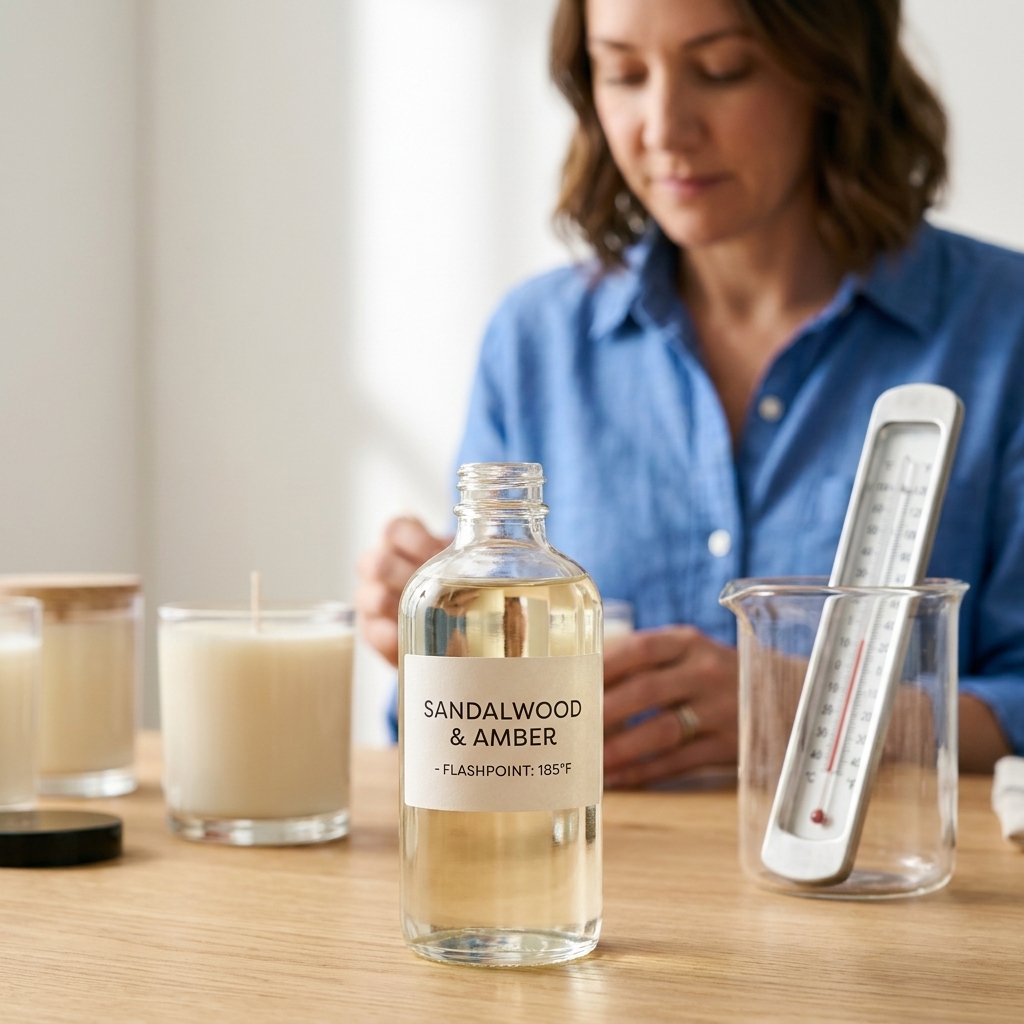
Flashpoint is the lowest temperature at which a liquid gives off enough vapor to ignite briefly if there is an ignition source, like a spark or flame. It is typically measured using standardized lab methods, then listed on Safety Data Sheets (SDS) and sometimes on product labels.
Two key takeaways:
- Flashpoint is about vapors, not the liquid “catching fire” on its own. You still need an ignition source.
- Flashpoint is not a candle pour or add temperature recommendation. It does not tell you the best temperature for scent throw, adhesion, or frosting control.
So why do suppliers publish it? It is used for safety communication and regulatory classification, including SDS reporting and, in some cases, shipping and transport thresholds (think DOT, IMDG, and IATA rules). In other words, it’s a real number with real uses, just not the performance dial many of us first assume it is.
One more nuance that helps: flashpoint values can vary depending on the test method (closed cup vs open cup). When you have it, the SDS is usually the cleanest reference point.
Flashpoint vs add temperature
Here is the myth I hear most: “If I add fragrance above the flashpoint, the scent will burn off.” It sounds logical, but in real candle making it is not that simple.
Will fragrance evaporate if added hot?
Some fragrance components are more volatile than others, so very high heat and long holding times can shift the scent balance. But that is about excess heat exposure over time, not a single flashpoint crossing moment where your fragrance suddenly disappears.
In practice, what usually matters more for scent performance is:
- Wax chemistry and load (how much your wax can hold without sweating)
- Binding and mixing (enough stir time for even distribution)
- Wick selection (too small and you get weak hot throw, too large and you get soot and overheating)
- Cure time (especially for soy and many blends)
A practical way to think about heat
Instead of “flashpoint equals max temp,” think:
- Add fragrance when the wax is hot enough to blend well
- Avoid unnecessarily high temps and long heat holds that can discolor wax, increase frosting risk in soy, and sometimes distort delicate top notes
If your supplier gives a suggested add temperature for a specific fragrance and wax, that guidance is more useful than flashpoint for performance.
Concrete examples, just to make this feel less abstract: some makers add fragrance around 170°F to 185°F in many paraffin setups, and around 135°F to 165°F in some soy or soy blend setups. Those are only examples, not rules. Your wax, your fragrance, and your supplier guidance get the final say.
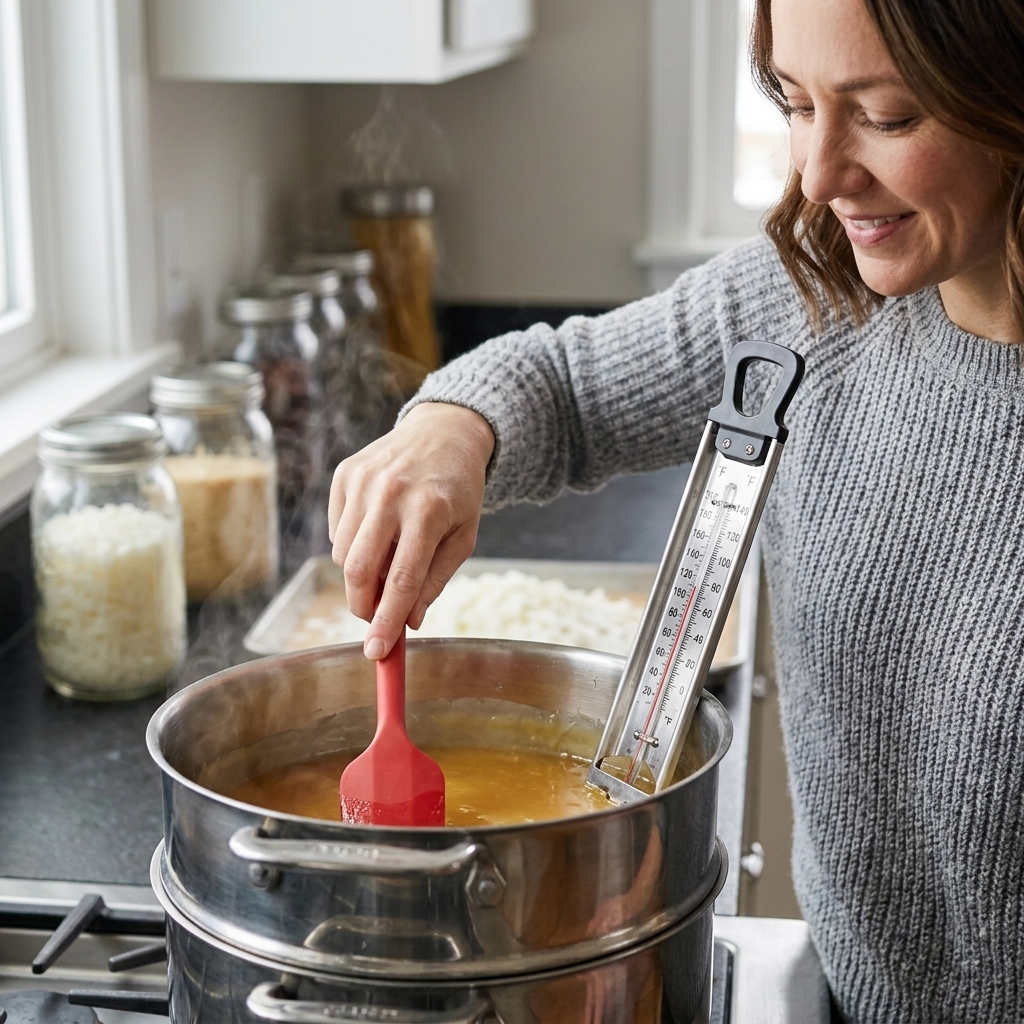
Where flashpoint matters for safety
Flashpoint still matters, just in a different lane: reducing the chance of ignition when concentrated fragrance is heated and exposed to flame or sparks.
When to pay extra attention
- Open flames and igniters: If you are working near a gas stove flame or any open ignition source, lower flashpoint materials deserve extra respect.
- Spills: A small puddle of fragrance oil has lots of surface area for vapor release. Clean spills right away.
- Storage: Do not store fragrance oils next to heaters, sunny windows, or in hot cars.
- Large batches: The more volume you heat, the more important ventilation and temperature control become. This is also where it’s smart to double-check local fire codes and insurance requirements for home studios.
Precautions I actually use
- Electric heat source preferred (no open flame)
- Ventilation on, especially when measuring and mixing fragrance
- Digital thermometer and no “winging it” on temps
- Lids on fragrance bottles immediately after measuring
- Class B fire extinguisher in the craft space if you make regularly
And because it needs saying: flashpoint is about the fragrance oil in concentration. Once your fragrance is diluted into wax at the proper load, you are in a different risk profile than a bottle of neat oil sitting open near a flame.
Different risk profile does not mean “no risk.” Finished candles are still an open flame product. You still need to test for safe burn performance, especially wick choice, container heat, and stability.
Flashpoint and scent throw
If you have ever poured two candles at the same temperature and one throws like a dream while the other smells faint, you already know flashpoint is not the whole story.
What affects throw more than flashpoint
- Fragrance composition: Some oils are naturally strong, some are subtle, some shine only when warmed.
- Wick and melt pool: Hot throw depends on the melt pool reaching the right diameter and temperature without overheating.
- Wax choice: Paraffin often throws more easily; soy can be gorgeous but more wick-sensitive; blends vary widely.
- Cure: Many candles improve after 7 to 14 days, especially soy.
Flashpoint can loosely correlate with volatility, but you cannot reliably predict throw strength from the flashpoint number alone.
Flashpoint in cold-process soap
Soap makers see flashpoint and sometimes assume it is the temperature where fragrance becomes unsafe in soap batter. In cold-process soap, the bigger players are:
- Fragrance behavior in alkaline batter (acceleration, ricing, separation)
- Heat from saponification (especially if you gel)
- Usage rates and skin safety (IFRA guidelines, supplier recommendations)
Will lye burn off fragrance?
Lye can absolutely change a scent. Some notes fade, some morph, and some fragrances discolor because of ingredients like vanillin. But again, that is not flashpoint. That is chemical compatibility with high pH and the heat profile of your loaf.
The real safety focus in soap
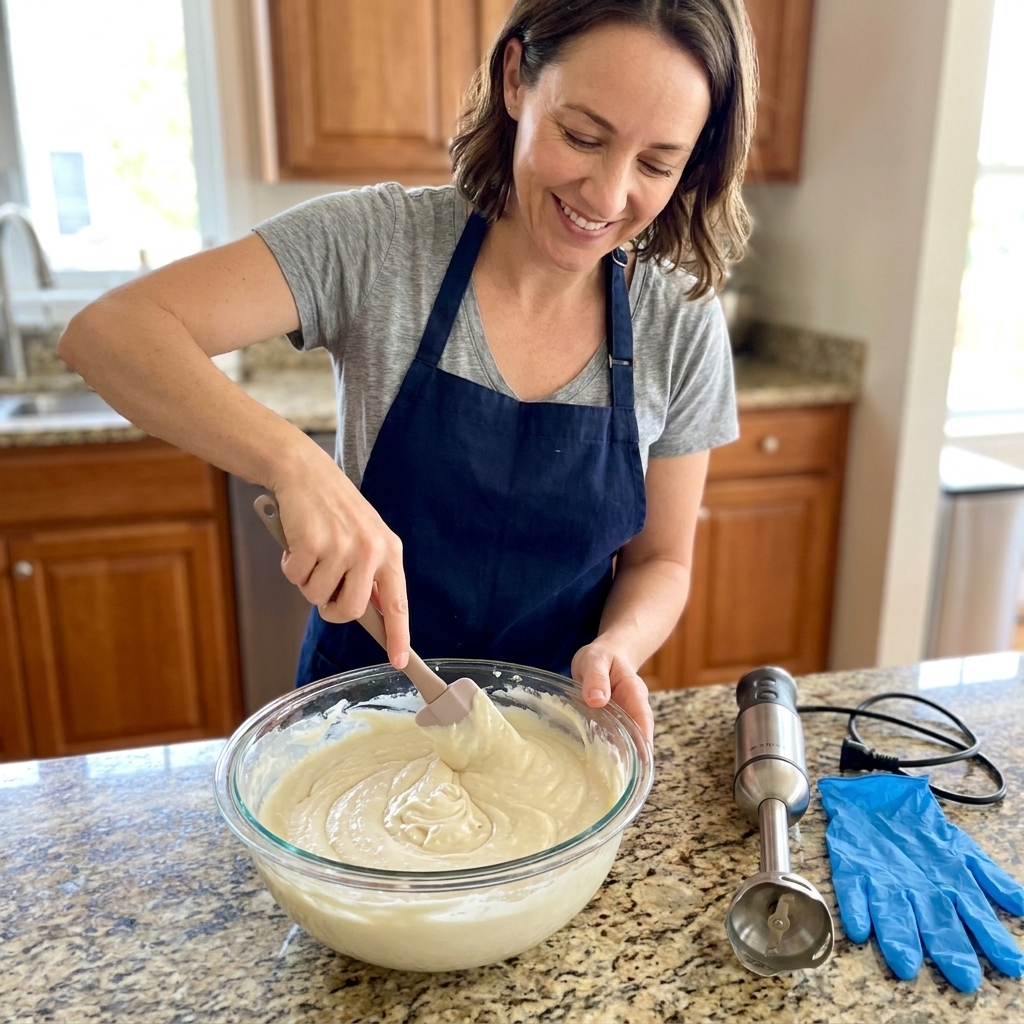
When you make soap, you are not usually heating fragrance oil to high temperatures on its own. You are blending it into oils or traced batter. The safety focus should be:
- Skin-safe maximums (follow IFRA or supplier usage rates for the specific fragrance and product category)
- Ventilation (especially while working with lye and when adding strong fragrances)
- Eye and glove protection (non-negotiable)
- Stable temperatures to reduce misbehavior (many soapers soap cooler to slow acceleration)
How to use flashpoint info
I treat flashpoint as one data point in a bigger decision stack, not the boss of my process.
For candle makers
- Use flashpoint to guide workspace safety: avoid open flames, avoid overheating fragrance oil on its own, cap bottles fast, clean spills.
- Use supplier guidance for performance: recommended fragrance load, wax type compatibility, and any known issues like discoloration.
- Test for throw with controlled variables: same jar, same wax, same wick series, same cure time.
- Test for safe burn: verify container temps, flame behavior, and overall performance, especially when changing wax, fragrance load, or vessel.
For soap makers
- Prioritize IFRA and usage rates over flashpoint.
- Read performance notes: does it accelerate, rice, separate, or discolor?
- Manage heat: if a fragrance tends to misbehave, soap cooler, avoid heavy insulation, and consider individual cavity molds to reduce overheating.
Common questions
Can I add fragrance above its flashpoint in candle wax?
Sometimes, yes. Depending on the wax and process, your add temperature may be above the flashpoint of some fragrances. The key is controlling temperature, avoiding ignition sources, and not heating fragrance oil by itself. If you are working with an open flame, a poorly ventilated space, or very high temps, reassess your setup and follow your supplier’s guidance.
Does a higher flashpoint mean a fragrance is safer?
Not automatically. Flashpoint is about flammability of vapors, not skin safety, allergen content, or respiratory sensitivity. For skin contact products like soap, follow IFRA and supplier usage rates.
Does flashpoint predict scent throw?
No. It can hint at volatility, but throw depends heavily on wax, wick, formulation, and cure. I have had lower flashpoint oils that throw softly and higher flashpoint oils that fill a room.
If my fragrance has a low flashpoint, should I avoid it for candles?
Not necessarily. It just means you should be extra mindful about ventilation, ignition sources, careful handling of spills, and smart storage. Many beloved fragrances have lower flashpoints.
What should I look at instead for soap?
Look for supplier testing notes like acceleration, ricing, separation, discoloration, and recommended usage rates. Those affect your batter far more than flashpoint.
Bottom line
Flashpoint is a real safety metric, but it is not a “do not pour above this temperature” rule for candles or a “your soap fragrance will vanish” warning label. Use it to inform safe handling of concentrated fragrance oils, then lean on testing, supplier notes, and good process control for performance.
If you take one thing back to your craft table, let it be this: keep heat controlled, avoid ignition sources, follow usage rates, and test like a curious scientist. The rest is just learning your materials, batch by batch, happy accidents included.