Some scents cling to soap like a cozy sweater. Others, especially bright citrus essential oils, can smell amazing on pour day and then quietly wander off during cure. If you have ever picked up a fully cured bar and thought, “Where did my sweet orange go?”, you are not alone.
Two simple pantry-style additives can help: kaolin clay and arrowroot powder. They will not “lock” fragrance in forever (soap is a high pH, water-evaporating environment, after all), but many makers find they can improve how long a scent hangs around, especially for top notes that like to disappear first.
This guide is written for cold-process soap. Melt-and-pour tends to hold scent differently, so the behavior (and the fixes) are not always a one-to-one match.
Why scents fade
Cold-process soap is a tough place for fragrance to live. A few things can work against you:
- High pH: Essential oils and some fragrance components can shift, dull, or morph in an alkaline environment.
- Heat: Gel phase and warmer batter can encourage the most volatile notes to evaporate.
- Evaporation during cure: As water leaves the bar over weeks, it can contribute to scent loss, especially for lighter, more volatile components.
- Time: Citrus notes are mostly “top notes”, meaning they naturally flash off faster than woods, resins, and other base notes.
Anchors are not magic. Think of them as a gentle “scent seatbelt” that may help hold onto aromatic molecules a little longer and distribute them more evenly through the bar.
How kaolin and arrowroot help
Kaolin clay
Kaolin is a very fine, silky clay that can adsorb (hold on its surface) some aromatic compounds. In soap, it also improves slip and gives a subtle, creamy feel. Many makers notice better scent staying power when the essential oil is first mixed into kaolin, then added to batter.
Arrowroot powder
Arrowroot is a starch. It does not behave exactly like clay, and its “anchoring” reputation is more anecdotal than proven. That said, some makers find it helps by binding and dispersing fragrance through the batter, which can make the scent feel more even in the finished bar. Any longevity boost is likely recipe- and process-dependent.
Both work best when they are treated like part of your formulation, not dumped in as an afterthought.
Usage rates
You do not need a lot. Overdoing powders can create draggy batter, crumbly bars, or a dusty lather. Optimal rates vary by recipe, water amount (including water discounts), and how much hard oil or butter you use.
Kaolin clay rate
- Start here: 1 teaspoon per pound of oils (PPO)
- Typical range: 1 to 2 teaspoons PPO
- Upper end: Up to 1 tablespoon PPO if you love the slip, but test first because it can noticeably affect feel and lather
Kaolin can slightly lighten colors and can make batter feel thicker at trace if you add it dry and late.
Arrowroot powder rate
- Start here: 1 teaspoon PPO
- Typical range: 1 to 2 teaspoons PPO
- Be cautious above: 1 tablespoon PPO, especially in already hardening recipes or with a strong water discount
Too much arrowroot can contribute to a “powdery” feel or a bar that feels a little more brittle, especially in formulas high in hard oils or butters.
Can you use both?
Yes, but I treat them like tools, not toppings. If you want to combine, keep the total powders modest. A nice starting combo is 1 teaspoon kaolin + 1 teaspoon arrowroot per 2 pounds of oils (total 1 teaspoon PPO across both). Increase only after you test a full cure.
How to add them
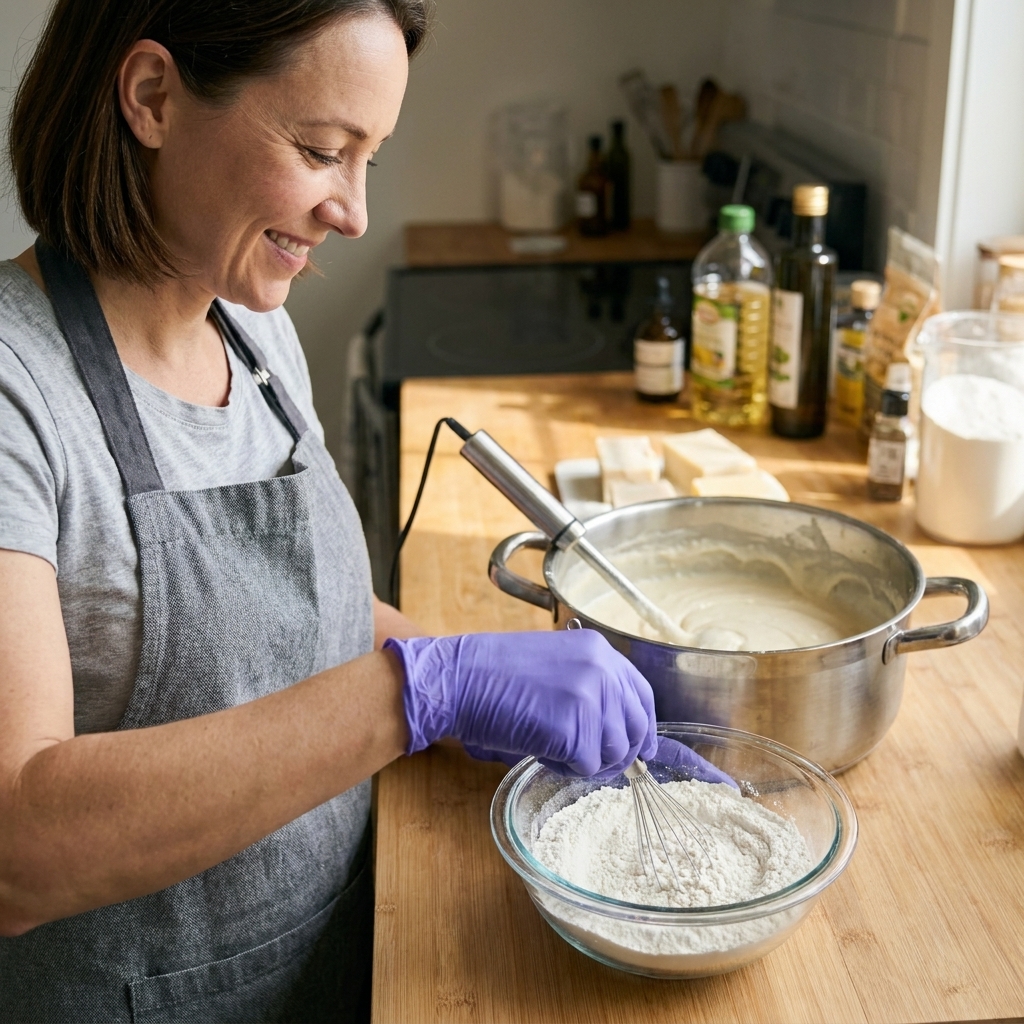
The biggest mistake I see is tossing powder straight into traced batter. That is how you get tiny white freckles, clumps, and frantic stick blending that can steal working time.
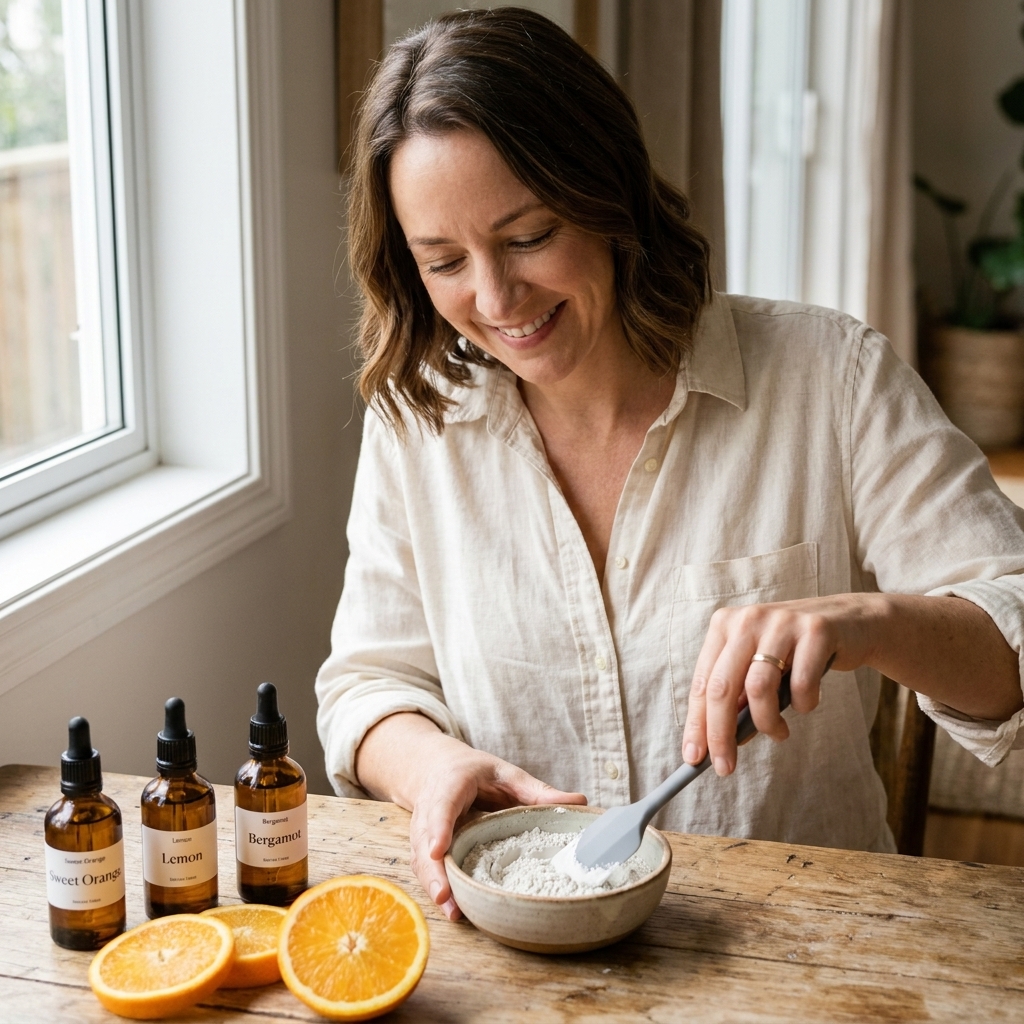
Method 1 (my favorite): mix powder with fragrance
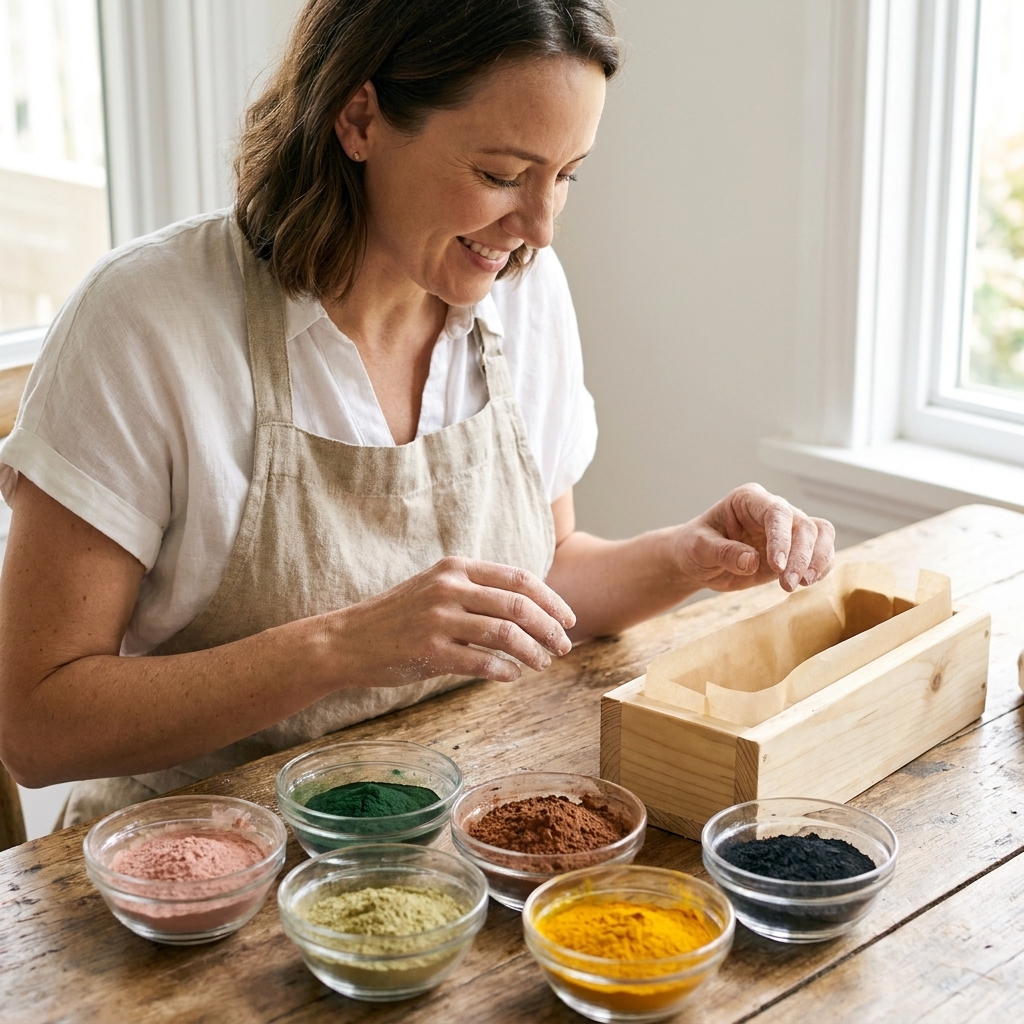
- Measure your kaolin and/or arrowroot into a small bowl.
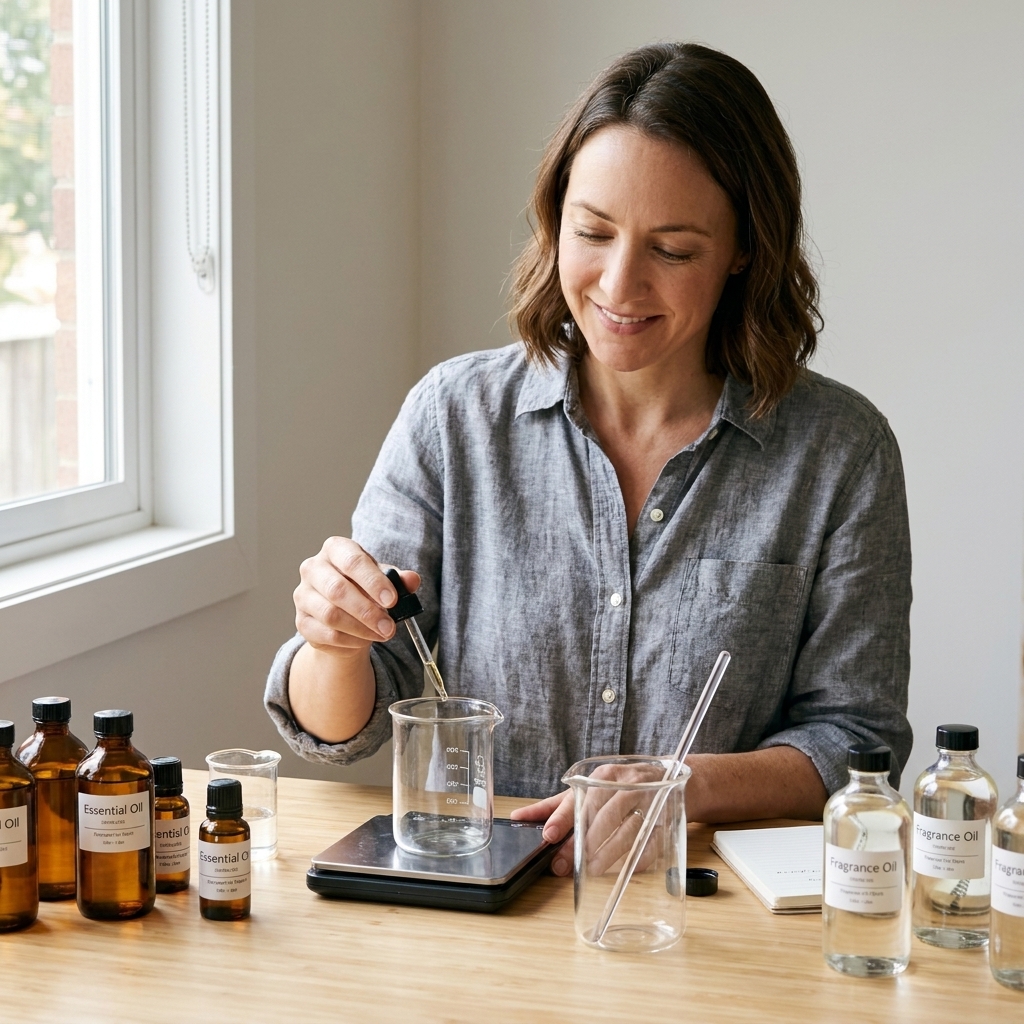
- Add your essential oil blend (or fragrance oil) to the powder.
- Stir into a smooth paste. Press out lumps against the bowl with a spatula.
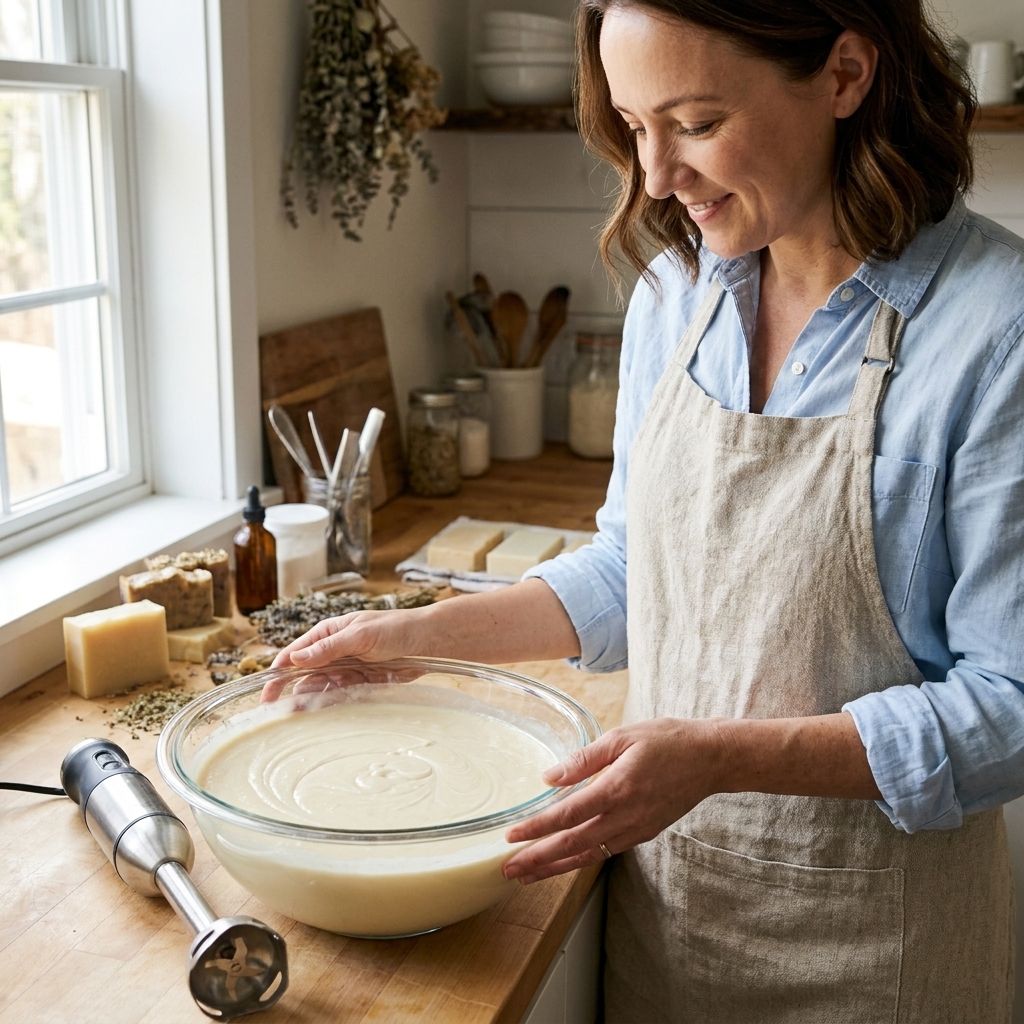
- Add the paste at light emulsion (when oils and lye are fully combined and stay mixed) or very light trace, then hand-stir or pulse briefly.
This method gets the fragrance in close contact with the anchor before soap chemistry ramps up. It also prevents powder from floating on top of your batter.
Method 2: slurry in a little liquid oil
If your scent blend is tiny (like potent litsea cubeba) or you are working fragrance-free but still want the silky feel, make a slurry:
- Take 1 to 2 tablespoons of your liquid oils from the main batch.
- Whisk the powder in until smooth.
- Add at emulsion and stick blend briefly.
I avoid slurrying in water or lye solution. Starches can get gummy in water, and lye can make clumping worse. Clay can be dispersed in water by some makers, but oil, fragrance, or glycerin tends to be more forgiving and smoother in practice.
Method 3: disperse clay in glycerin
If you soap often and keep vegetable glycerin around, a small clay-glycerin slurry can be ultra smooth. Use just enough glycerin to make a pourable paste. Account for it as an additive, not part of your water.
Scents that benefit most
Anchors shine when a scent is naturally fleeting. I reach for kaolin or arrowroot most often with:
- Citrus essential oils: sweet orange, lemon, lime, grapefruit, bergamot (especially expressed citrus oils)
- Herbal top notes: eucalyptus (top-heavy blends), rosemary (can thin out over cure)
- Delicate florals: some lavender-forward blends that you want to keep bright, not just “soapy”
They are less dramatic with heavy base notes like patchouli, vetiver, cedarwood, benzoin, or amyris because those tend to last anyway.
One extra lever: some citrus materials tend to hang on longer than others. Many makers report better longevity with folded citrus oils (like 5-fold or 10-fold orange) or certain distilled citrus oils versus standard expressed citrus oils.
Citrus pairing ideas
Anchors help, but a smart blend helps more. For citrus soaps I like to build a backbone with a mild base note that does not bully the bright top.
Simple blend structure
- Top: sweet orange or grapefruit
- Middle: litsea cubeba or petitgrain (tiny amount goes a long way)
- Base: cedarwood (Atlas or Virginia) or a whisper of patchouli
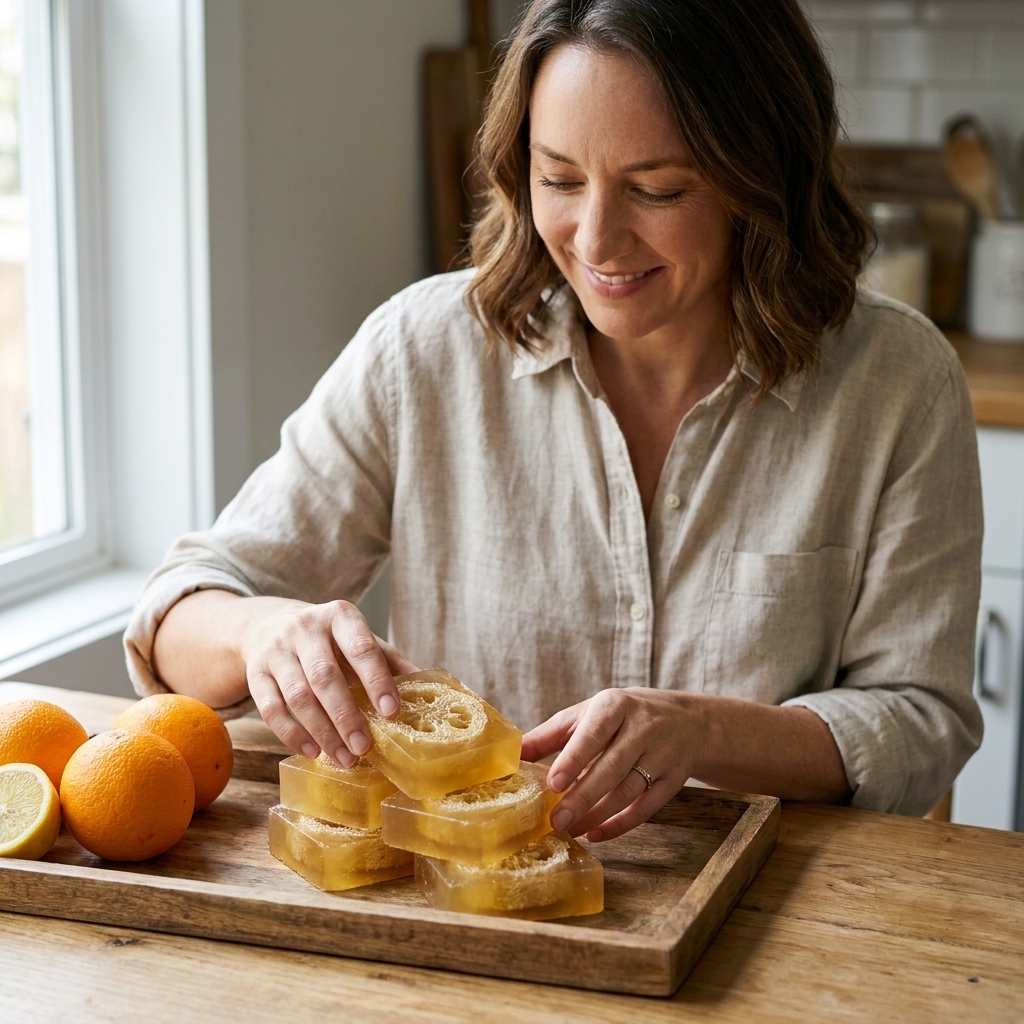
Then I anchor the whole blend with a kaolin paste before it touches batter. The result is still fresh and sunny, just less likely to vanish by week four.
Timing tips
Anchors do more when the rest of your process is gentle.
- Soap a little cooler: Many citrus blends behave nicely when oils and lye solution are closer to room temperature (as long as your hard oils are fully melted). Cooler soaping can reduce flash-off.
- Aim for light trace: Over-blending adds heat and air, and both can encourage volatility.
- Consider preventing gel: Gel can be beautiful, but it is also heat. If you are chasing a fragile scent, experiment with a cooler mold, a thinner pour, or chilling (only if your recipe tolerates it).
- Cure with airflow, not a fan blast: Normal ventilation is great. Strong forced airflow can pull aroma from the surface faster.
Kaolin vs. arrowroot
Choose kaolin when
- You want the classic “clay soap” slip and a creamy feel.
- You are anchoring essential oils, especially citrus.
- You do not mind a slight lightening of color.
Choose arrowroot when
- You want a simple pantry powder option with minimal skin feel change.
- You are working with a design that could show clay specks if not dispersed perfectly.
- You prefer a bar that is not quite as “silky-clay” in finish.
If you are unsure
Start with kaolin at 1 teaspoon PPO, mixed into your fragrance. It is the most consistently helpful scent anchor in my batches.
Troubleshooting
“I got white specks in my bars.”
That is almost always undispersed powder. Next time, make a paste with essential oil or liquid oil first, then add at emulsion.
“My batter thickened faster than usual.”
Powders add solids, and some fragrance components accelerate too. Soap a bit cooler, stick blend less, and keep powder rates modest. Also try adding your anchored fragrance at emulsion rather than waiting for trace.
“My soap feels dry or draggy.”
Reduce the kaolin or arrowroot, or swap to kaolin from a more absorbent clay. You can also bump up conditioning oils slightly in your next formulation.
“The scent still faded.”
Some essential oils simply do not stick well in true soap. Try a blend with a stronger base note, consider a folded or distilled citrus material, and check whether the soap got very hot (gel or heavy insulation). Anchors help most when paired with good blending and gentle temperatures.
Safety and quality
- Follow dermal safety limits for essential oils and fragrance oils. “More” is not the same as “better” in soap, even in wash-off products.
- Watch phototoxic citrus oils: expressed bergamot, lime, and lemon (and some others) can be phototoxic at certain leave-on levels. Soap is rinse-off, but it is still smart to use established guidelines (IFRA/dermal) and choose FCF bergamot when appropriate.
- Use cosmetic grade kaolin and arrowroot from a reputable supplier, stored dry and sealed.
- Do not inhale powders. Fine clays and starches float easily. Mix slowly and consider a mask if you are sensitive.
- Test one change at a time. If you change your fragrance, your temperatures, and add two powders, it is hard to know what helped.
Quick FAQ
Will kaolin or arrowroot change my lather?
At small rates, you usually get a slightly creamier, denser lather. At high rates, lather can feel more muted or “powdery.”
Can I use other clays instead of kaolin?
You can, but kaolin is one of the gentlest and least absorbent options. Bentonite, rhassoul, and French green clay can be more absorbent and can change feel and color more dramatically. If you swap, start low.
Do anchors work with fragrance oils too?
Often, yes. Many fragrance oils are already formulated to perform in soap, but a kaolin paste can still help with longevity and a more even scent through the bar.
Should I add the powder to my lye water?
No. Add powders to oils or to the fragrance first. Lye water can make starches clump and can turn clay into stubborn little pellets.
The takeaway
If you love fresh, juicy citrus soaps and you are tired of the “week-one wonder” effect, kaolin clay and arrowroot powder are easy, affordable upgrades. Keep the amounts modest, disperse them properly, and pair them with a blend that has at least a tiny base note. The payoff is a cured bar that still smells like you meant it to.