If you have ever made a batch of cold process soap and thought, “Why does this feel a little zappy?” or “Why is this bar so drying?”, you have already bumped into the reason superfatting exists. In calculator terms, superfatting and lye discounting are usually the same math: you intentionally use a little less lye than the oils would require at exact stoichiometry. That small cushion helps ensure your finished soap is gentle and less likely to contain harsh, unreacted alkali.
I learned this the messy way in my early kitchen days, when I was convinced more “cleansing” meant better soap. It does not. Milder soap is usually a math decision, not a fancy additive.
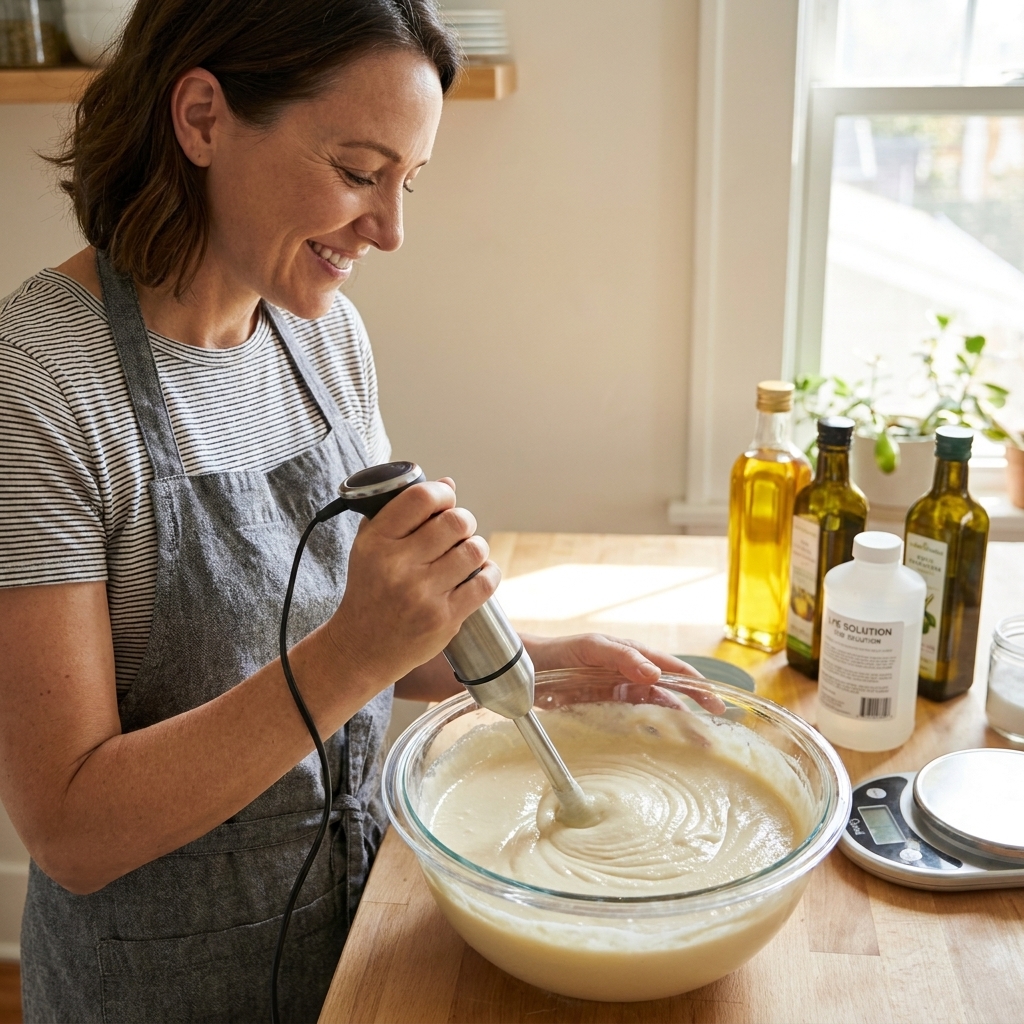
What superfat and lye discount mean
Cold process soap is a chemical reaction called saponification. Your oils and butters react with sodium hydroxide (lye) to create soap and glycerin. A soap calculator tells you the lye amount needed to convert your oils into soap at a calculated 0% superfat.
That “0%” is a target, not a guarantee. Real life includes scale rounding, SAP value variation, and small measuring slips. That is why most of us build in a little margin.
When you choose a superfat, you are telling the calculator: “Please leave a little of my oils unsaponified.” That leftover oil can make a bar feel less stripping and gives you a safety buffer against tiny errors.
- Superfat is usually expressed as a percentage, like 5% or 7%.
- Lye discount describes the same choice from the other direction: you “discount” the NaOH by 5% or 7%.
One quick nuance: some soapmakers use “superfatting” to mean adding a specific oil late in the process. In practice, your calculator setting is still a lye reduction across the whole recipe.
Why beginners should care
Superfatting is not just about moisturization. It is also about risk management.
A cushion against small errors
Even careful soapmakers can run into tiny mismatches:
- Your scale rounds more than you think.
- Some oils vary naturally in fatty acid profile and SAP values.
- You forget to tare a container, or you pour past your target by a few grams.
At a calculated 0% superfat, those small errors can push a recipe lye heavy. A modest superfat gives you breathing room.
Too much has tradeoffs
More is not always gentler. High superfats can:
- Increase the chance of rancidity (DOS), especially when combined with factors like older oils, high-linoleic recipes, humidity, metal contamination, or poor storage.
- Make bars feel waxy or greasy, especially in high-oleic formulas.
- Reduce lather and sometimes worsen rinse-off in hard water.
For most everyday bath bars, a moderate superfat is the sweet spot.
The essential math
You do not need to hand-calculate saponification values every time. Use a reliable soap calculator, then understand what the setting does.
How the calculator applies superfat
- The calculator first finds the 0% superfat lye amount.
- Then it reduces that lye by your chosen percentage.
Example concept (not tied to a specific recipe): If your oils require 100 g of NaOH at 0% superfat, then:
- 5% superfat uses 95 g NaOH
- 8% superfat uses 92 g NaOH
- 2% superfat uses 98 g NaOH
From there, saponification finishes in the mold and during early cure.
Superfat is not “oil at trace”
A superfat setting reduces total lye, which means any oils in the batch may be left partially unsaponified. Adding a special oil at trace can be lovely, but it does not guarantee that specific oil remains free. Saponification continues well past trace.
Superfat is not water discount
Superfat (or lye discount) changes the amount of NaOH. Water amount changes lye concentration and batter behavior. They are different dials.
Picking a safe superfat
If you are new, start with proven ranges rather than reinventing the wheel.
Good starting points
- 5% superfat: My go-to for most balanced bath bars. Gentle, reliable, and stable.
- 3% superfat: Nice for recipes with lots of soft oils, or for bars you want a slightly “cleaner” feel without being harsh.
- 7% superfat: Helpful for bars that tend to feel more cleansing, like formulas with higher coconut oil, as long as you keep an eye on longevity and DOS risk.
When to go lower
Consider a lower superfat (around 2% to 4%) when:
- You are making a laundry or cleaning soap (not body soap).
- You want less “drag” in a formula that already feels very conditioning.
- You are troubleshooting rancidity in a humid environment.
When to be cautious going higher
Be cautious with very high superfats (10% and above) unless you have a specific reason and you understand the shelf life tradeoffs. If you sell or gift soap, higher superfats can shorten longevity and make consistency harder batch to batch.
Other levers for mildness
This is the part beginners find surprising: a higher superfat cannot fully “fix” a recipe that is inherently harsh.
Watch high-cleansing oils
Coconut oil creates big bubbly lather, but it can feel stripping at high percentages. Many soapmakers keep coconut oil lower for everyday bath bars, then use a moderate superfat for comfort.
Balance and cure matter
A mild bar is usually a combination of:
- a reasonable superfat (often 5% to 7%)
- balanced fatty acids (hardness, conditioning, bubbly and creamy lather)
- a full cure
Most cold process bars noticeably improve around 4 to 6 weeks of cure, and many continue to get better beyond that. If your bar feels harsh at two weeks, do not panic. Time really does change the feel and lather.
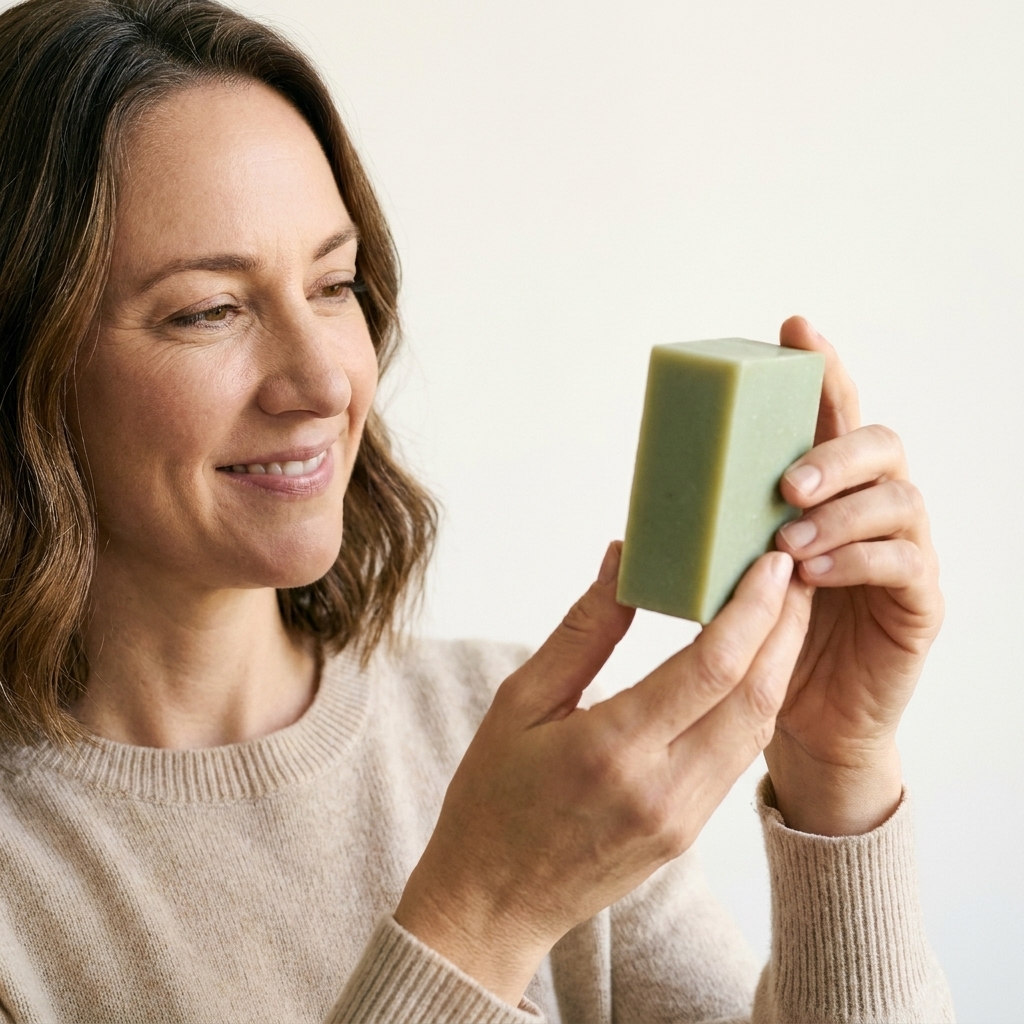
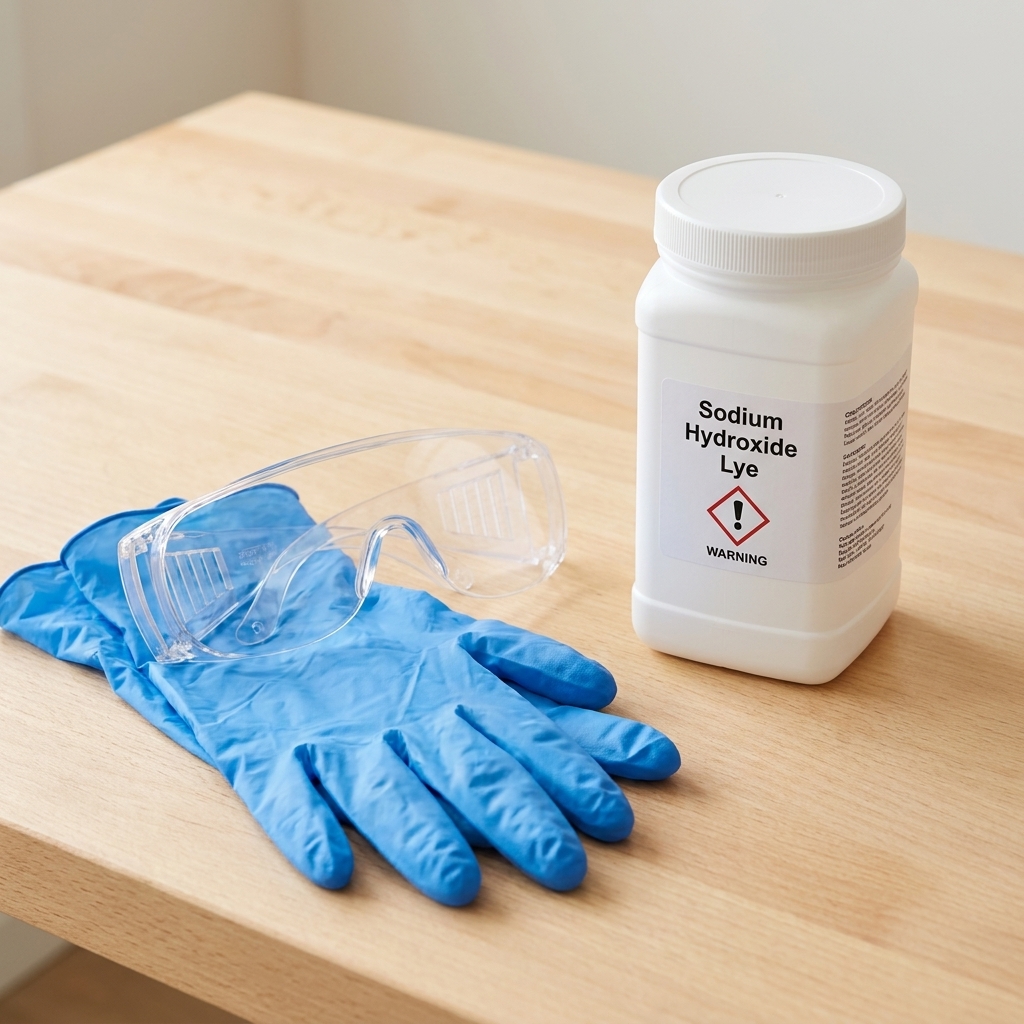
Safety and lye heaviness
Superfatting helps, but it is not a substitute for safe process. If your soap is lye heavy, you want to know quickly and handle it correctly.
Use a true digital scale
Measure by weight, not volume. A scale that reads to at least 1 gram is the minimum. If you are working with small batches, a 0.1 g scale for fragrance and additives is a game changer.
Double-check your lye type
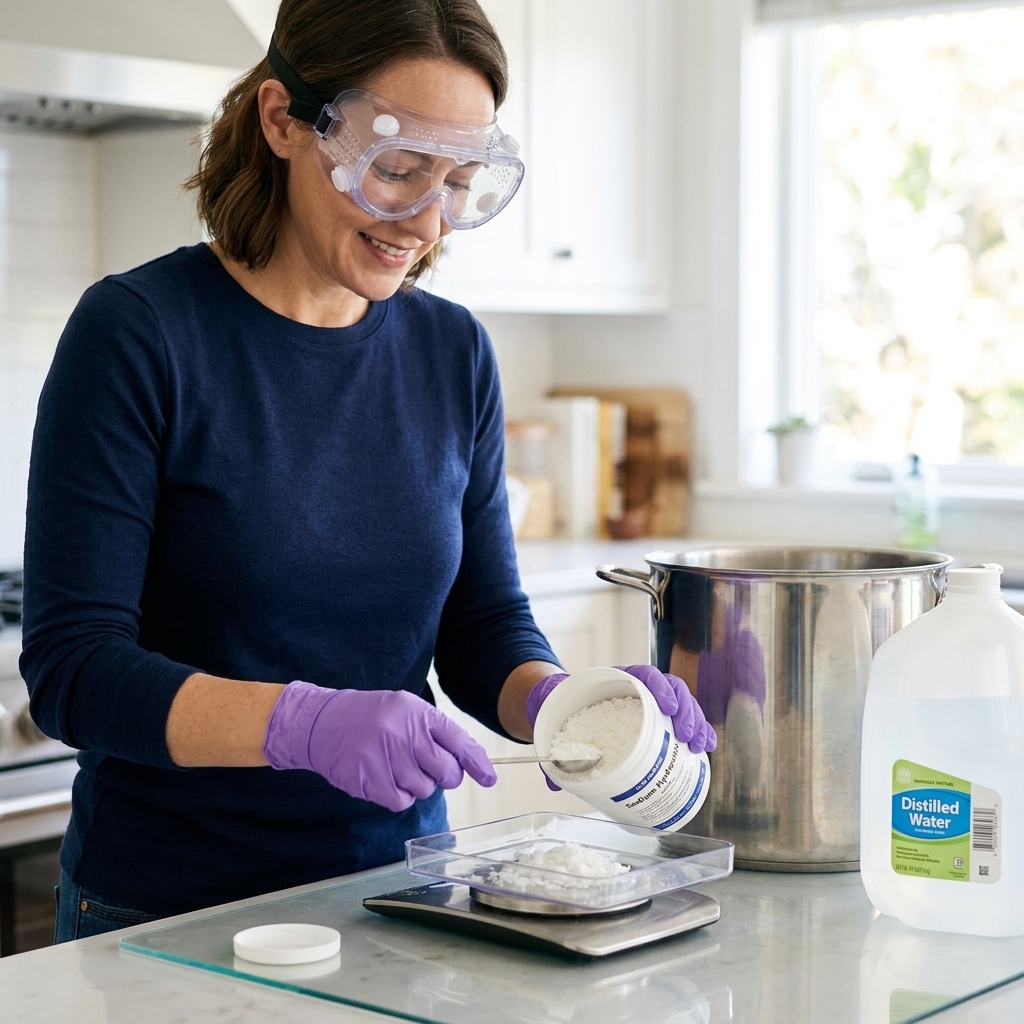
Cold process soap uses sodium hydroxide (NaOH). Potassium hydroxide (KOH) is for liquid soap. Mixing these up can throw everything off.
Verify every recipe in a calculator
Always run your oils through a reputable soap calculator. Do not trust a random screenshot or a “no-lye” claim.
How to spot and respond
- Zap test: If you lightly touch a tiny bit of wet soap lather to the tip of your tongue and feel a sharp “battery” zap, that indicates free alkali and the soap is not safe for skin yet. (Do not do this with raw batter. Only on curing or cured soap, and only a tiny amount.)
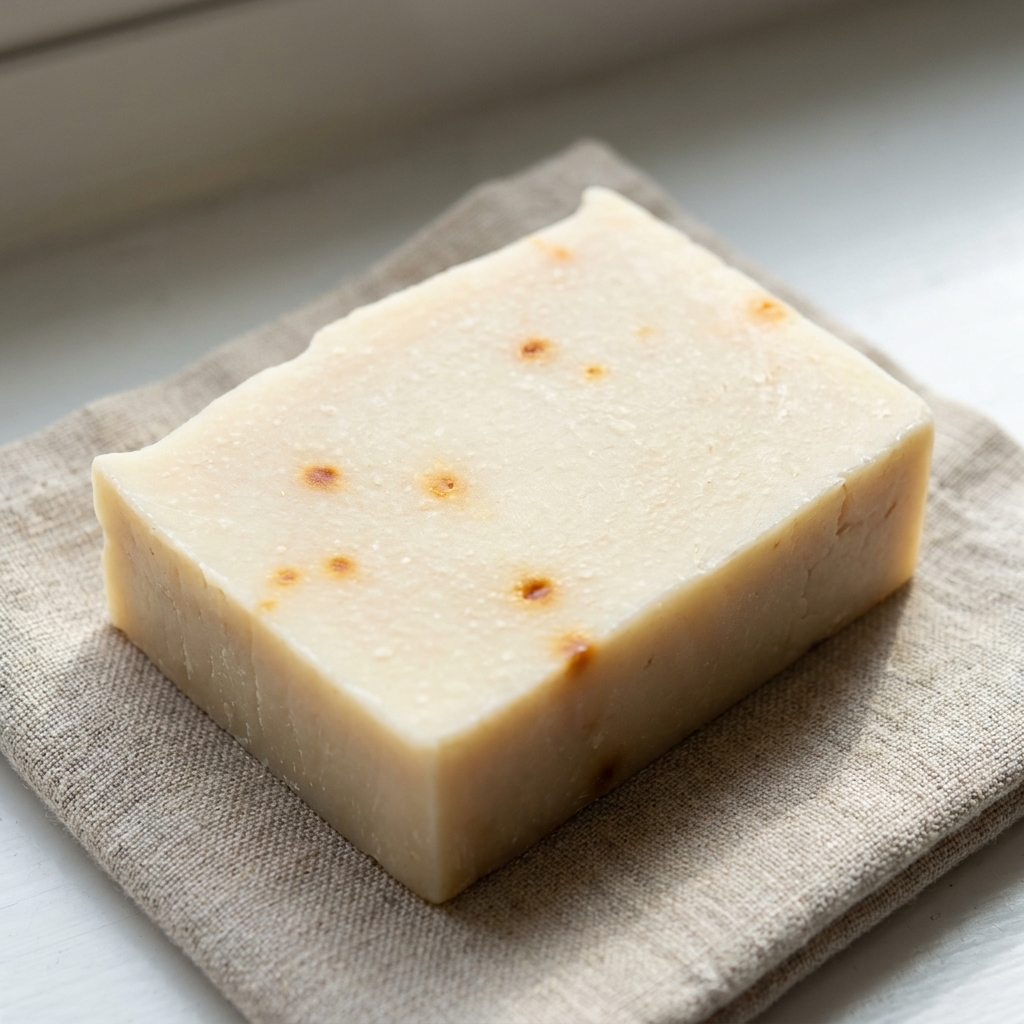
- Visual clues: Crumbly texture, harsh bitey feel, or visible crystals can indicate a problem, though looks alone are not definitive.
If you suspect a lye-heavy batch: stop using it on skin. Wear gloves when handling it. You can often rebatch with additional oils to correct the balance, but treat it with respect until you are confident it is safe.
One more note: tools like pH strips and phenolphthalein are often misunderstood in soapmaking. They can be interesting data points, but they are not a definitive “safe or unsafe” test for finished bar soap on their own.
Common beginner mistakes
1) Mixing up terms
In calculator terms, superfat and lye discount are the same lye reduction. Adding oil at trace is a separate choice, and it does not guarantee which oils remain unsaponified.
2) Using a huge superfat to fix harshness
If your formula is 30% coconut oil and feels drying, jumping to 12% superfat may just give you a softer, shorter-lived bar with a higher risk of rancidity. It is often better to adjust the oil blend.
3) Forgetting additives can change behavior
Some fragrance oils accelerate trace or contribute to overheating, which can increase the chance of texture issues. Stick to skin-safe rates, and choose beginner-friendly scents when you are learning.
4) Treating water and superfat like the same dial
Superfat changes lye amount. Water amount changes lye concentration and affects fluidity and cure timeline. If your soap is brittle or develops soda ash, it is not automatically a superfat problem.
My simple first-batch pick
If you are brand new and want a gentle, dependable starting point, set your soap calculator to 5% superfat, use a balanced recipe, and give it a full cure. That combination solves most beginner “why does this feel harsh?” mysteries.
Once you have a few batches under your belt, experiment on purpose: try 3% versus 7% on the same base recipe and take notes on lather, slip, longevity, and how your skin feels after rinsing. That is how you build your own soapmaking instincts.
FAQ
Is superfatting the same as lye discounting?
In soap calculator terms, yes. Both settings reduce total lye relative to the calculated 0% superfat amount. Some makers use “superfatting” to mean adding a particular oil later in the process, but the calculator math is still a recipe-wide lye reduction.
Can I make 0% superfat soap?
You can, but it leaves very little margin for measurement and ingredient variation and can feel harsher on skin. Many makers reserve 0% superfat for specific cleaning soaps, not body bars.
Does a higher superfat make soap more moisturizing?
It can make soap feel less stripping, but soap is still soap. A well-balanced recipe and a good cure often matter more than pushing superfat very high.
What superfat is best for sensitive skin?
Often 5% to 7% works well, paired with a gentle oil blend and minimal potential irritants (like certain fragrances or scratchy botanicals). Patch testing and simple formulas help.
If my soap zaps, can I just cure it longer?
If it is truly lye heavy, time alone may not fix it. Cure improves mildness and hardness, but it does not reliably neutralize excess alkali. Treat zappy soap as unsafe for skin until corrected, usually by rebatching with additional oils.