If you have ever stood in front of the wax shelf (or stared at a dozen tabs online) thinking, Why is picking wax harder than picking a fragrance?, you are not alone. Wax is the foundation of how your candle burns, how it smells, how it looks in the jar, and how forgiving it is when your kitchen is a little too cold or you got distracted for thirty seconds.
I have poured all three of the big classics, soy, paraffin, and beeswax, in everything from thrifted teacups to straight-sided tumblers. Each wax can make a gorgeous candle, but they behave very differently. Below is the no-nonsense breakdown I wish I had when my first soy jar candle tunneled like it was trying to escape.
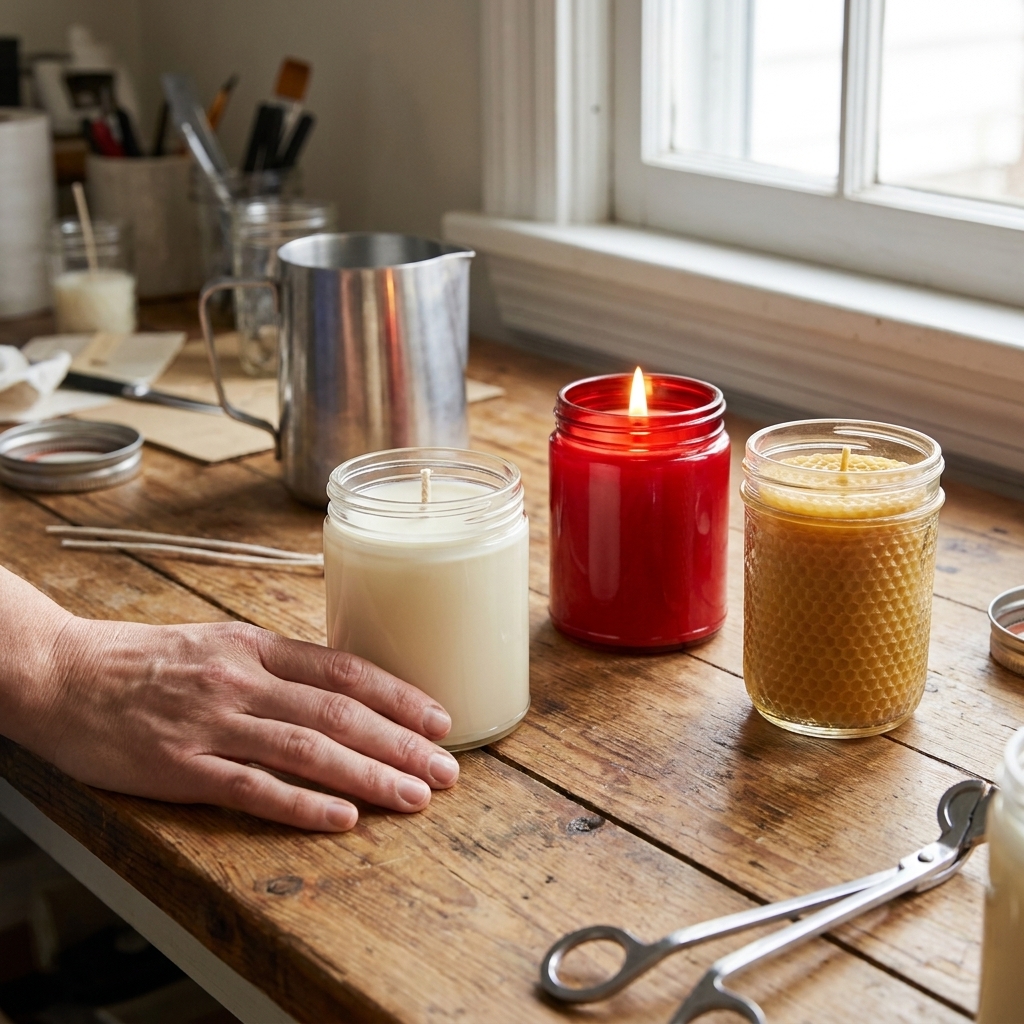
At-a-glance comparison
If you just need a quick direction before you dive into the details, this table will get you oriented. Specific wax blends vary by brand, so treat this as the typical experience for each wax type.
| Wax | Scent throw | Burn time | Beginner friendliness | Typical look | Environmental notes |
|---|---|---|---|---|---|
| Soy wax | Good to very good (can be excellent after a full cure) | Often longer in containers, but varies by blend | Moderate (more sensitive to temp and wicking) | Creamy, sometimes frosty or wet spots | Plant-based and renewable as a feedstock; sourcing varies |
| Paraffin wax | Excellent (strong cold and hot throw) | Moderate to long depending on blend | Easy (reliable glass adhesion, forgiving pours) | Smooth, glossy, vibrant dyes | Petroleum-derived; refined options improve purity, not fossil origin |
| Beeswax | Low for added fragrance, often lightly honeyed | Very long, slow burn | Moderate (higher melt point, needs heat management) | Golden, luminous, can be rustic or polished | Natural animal byproduct; depends on beekeeping practices |
Melt points
If you like having a practical temperature reference, here are typical ranges. These vary a lot by blend and additives, so always check your supplier spec sheet.
- Soy (container blends): often around 120 to 135°F (about 49 to 57°C)
- Paraffin (container blends): often around 120 to 145°F (about 49 to 63°C)
- Beeswax: often around 143 to 149°F (about 62 to 65°C)
Scent throw
Scent throw has two parts:
- Cold throw: how strong the candle smells unlit.
- Hot throw: how it fills the room when burning.
Paraffin: strongest and most consistent
Paraffin has a well-earned reputation for bold fragrance. It generally holds fragrance oils well and releases them readily once you have a proper melt pool. If your number one goal is a candle that punches through a big open space, paraffin is often the easiest route.
Soy: excellent, but more sensitive
Soy can absolutely throw beautifully, but it is more sensitive to the full system: your fragrance load, wick choice, pour temperature, and cure time. Many makers (and many suppliers) recommend curing soy candles longer, often 1 to 2 weeks, though this varies by wax and fragrance. Soy also tends to perform best when you keep expectations realistic on fragrance load, since overloading can cause sweating, poor burn, or a flat throw.
Beeswax: naturally scented, not a fragrance powerhouse
Pure beeswax often has a gentle honey aroma that I love for cozy, unscented candles, although the intensity varies with filtration and age. It can be scented, but in my experience it is not the best choice if you want a big perfumed candle. It is more of a glow-and-comfort wax than a whole-house-vanilla-cake wax.
My practical pick: If you want maximum throw with minimal fuss, choose paraffin. If you want a clean, cozy throw and do not mind dialing in your process, choose soy. If you want naturally sweet and subtle, choose beeswax.
Burn time and burn quality
Burn time depends heavily on wick size, vessel diameter, additives, and fragrance load. Wax type influences the general pace, but it is not a guarantee.
Soy: slow and steady when it is dialed in
Soy often burns a bit slower than paraffin in similar container setups, especially once you have the wick right. When you nail the wick, you get a long-lasting candle with a calm flame and a nice, even melt pool. The tradeoff is that soy is more likely to tunnel if the wick is undersized or if the first burn is too short.
Paraffin: efficient, bright, and adaptable
Paraffin can be formulated for pillars, containers, votives, you name it. Many paraffin container waxes reach a full melt pool sooner, which helps with consistent scent release. With the wrong wick, paraffin can soot more readily, so trimming wicks matters.
Beeswax: the marathon runner
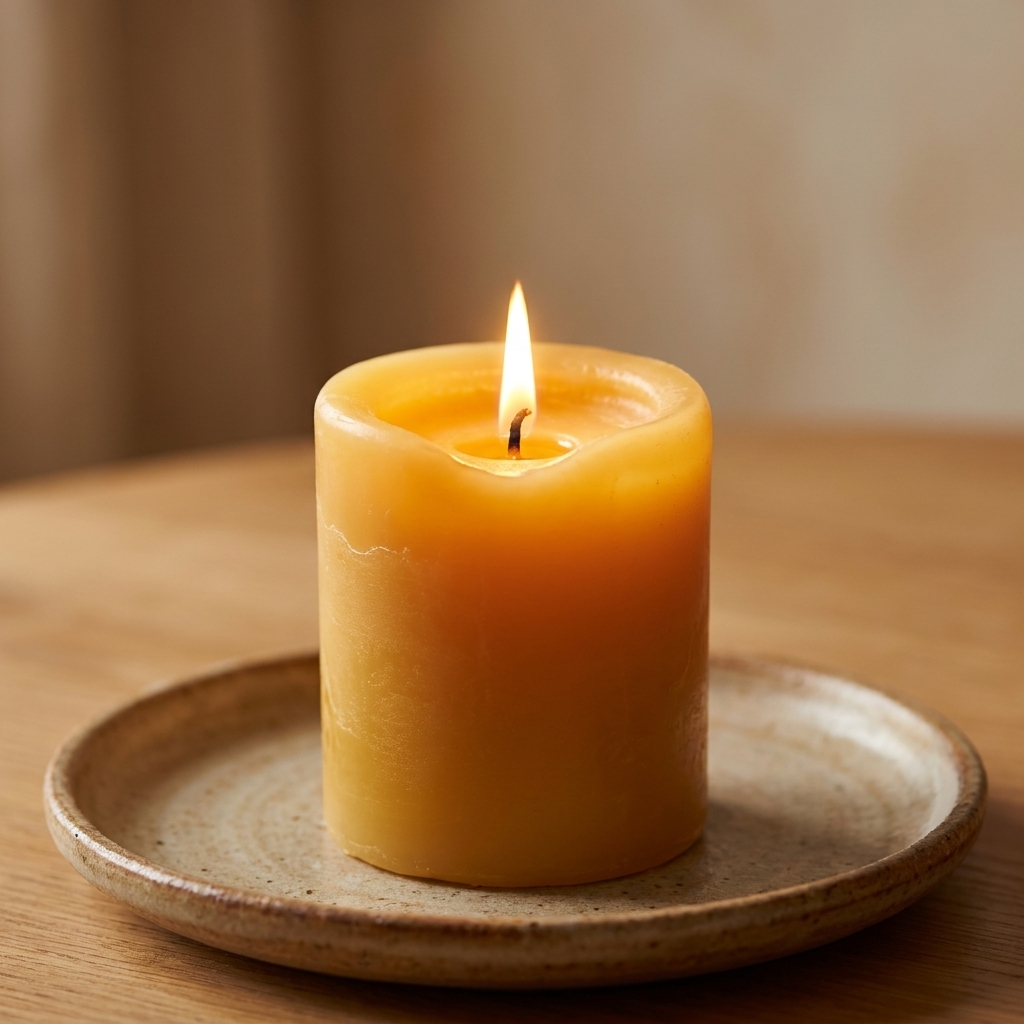
Beeswax is dense and has a higher melt point, so it tends to burn slowly and last a long time. It is fantastic for pillars and tapers. It also likes a properly sized wick that can handle the higher melt point without struggling.
Ease of use
If you are just starting out, the best wax is often the one that gives you repeatable results while you learn wicks, fragrance percentages, and safe pouring habits.
Paraffin: usually the most forgiving
- Smoother tops more easily
- Typically better adhesion to glass
- Strong throw even before you have your process perfected
Paraffin can still misbehave, especially if you overscent or oversize the wick, but it generally gives new makers the fastest “Hey, I did it!” success.
Soy: beginner-friendly once you learn its quirks
- More sensitive to room temperature and cooling speed
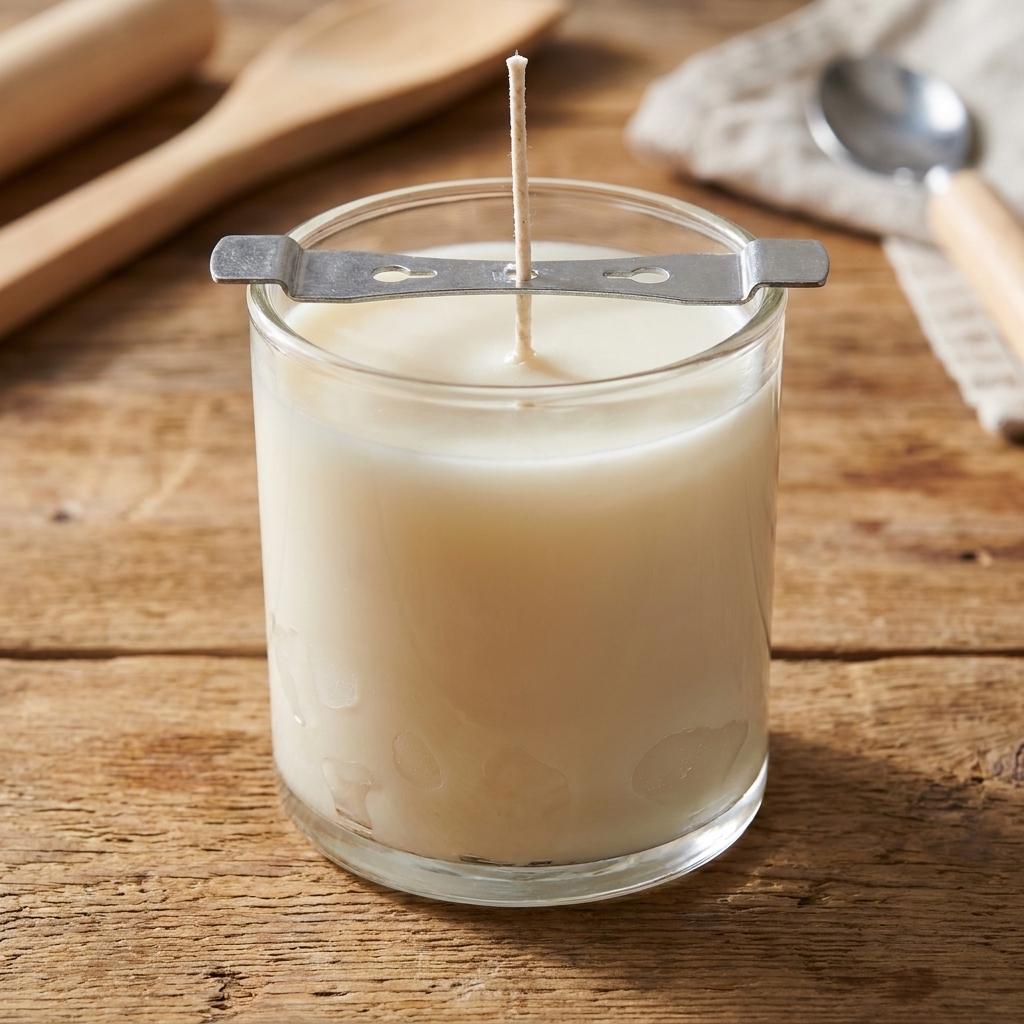
- Frosting (white crystalline patterns) is common and cosmetic
- Often needs heat gun touch-ups or a second pour for a perfect top
If you are the kind of person who enjoys tweaking one variable at a time, soy is a satisfying wax to learn. If you want instant perfection every time, soy may test your patience.
Beeswax: simple ingredients, trickier heat management
- Higher melting temperatures
- Can crack or pull away from molds as it cools
- Works beautifully in pillars and tapers once you dial it in
Beeswax is straightforward in the sense that it is often just beeswax, but it asks for more attention to temperature, especially in cooler rooms.
Environmental notes
No wax is perfect in every category. Here is the honest, real-world version.
Soy wax: renewable, but not impact-free
Soy is plant-based and renewable as a feedstock. That said, “renewable” does not automatically mean low-impact. Farming practices, land use, and supply chains vary, and some soy supply chains have been linked to deforestation pressures. If environmental impact is a major factor for you, look for suppliers who share sourcing details and consider regional options when possible.
Paraffin: petroleum-derived, often very consistent
Paraffin comes from petroleum refining, which is why many crafters prefer alternatives. On the flip side, it is widely available, consistent, and often more affordable. Candle-grade paraffins can be highly refined (which can help with purity and odor), but refinement does not change the fact that it is fossil-based.
Beeswax: natural, animal-derived
Beeswax is a natural byproduct of beekeeping. Some makers love it for that reason, while others avoid animal-derived ingredients. The ethics and environmental impact can vary depending on beekeeping practices, so if this matters to you, buy from transparent apiaries or reputable suppliers.
Appearance
Soy wax: creamy and rustic-leaning
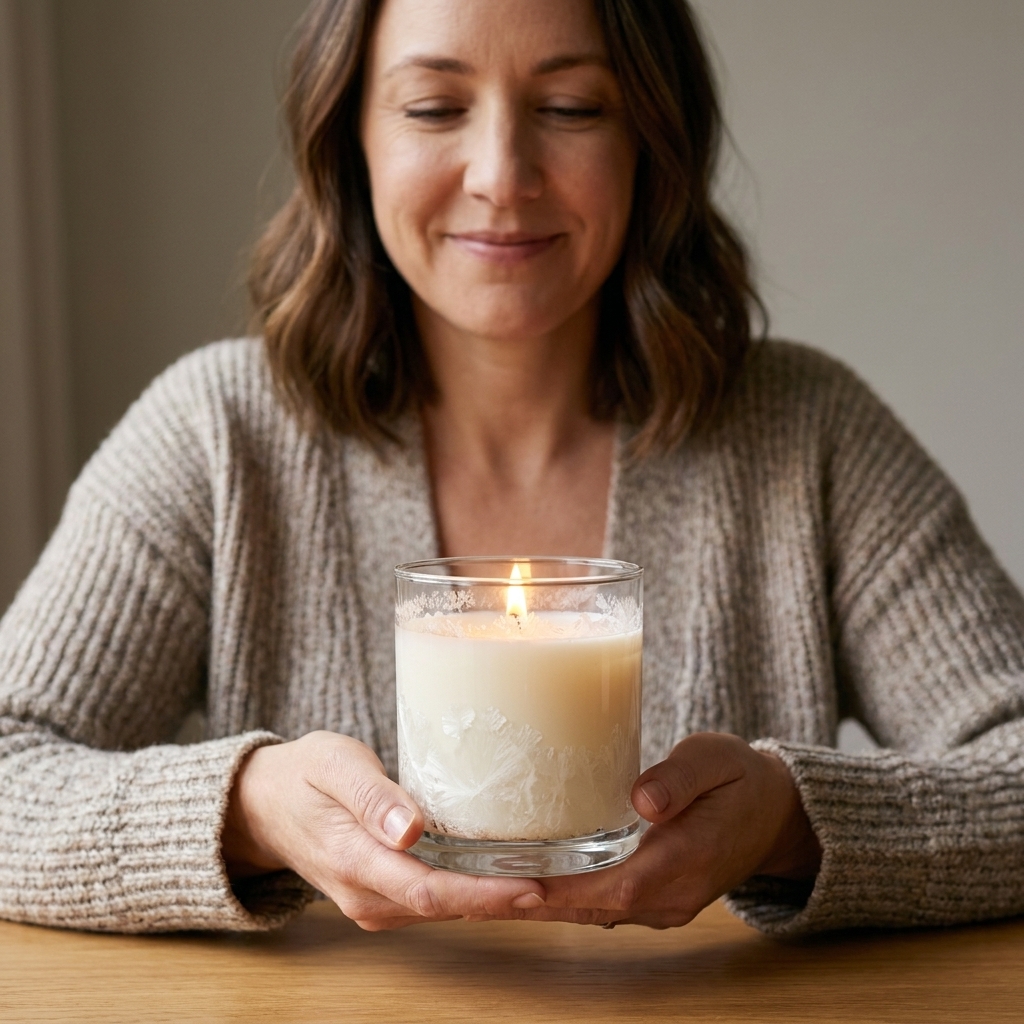
Soy’s natural look is soft and creamy. It can frost, especially with temperature swings. Frosting is purely cosmetic, but if you are selling or gifting and want a pristine finish, it can be frustrating. A heat gun, warm jars, and stable cooling conditions help.
Paraffin: glossy, smooth, and color-friendly
Paraffin is the wax I reach for when I want crisp dye colors or a glassy smooth top without a lot of coaxing. It also tends to cling to glass better in many setups, which means fewer wet spots for a lot of makers. Wet spots can happen with any wax if the jars cool too fast or the room swings in temperature.
Beeswax: warm, luminous, naturally golden
Beeswax candles have that unmistakable golden glow. Even uncolored, they look rich. They can show natural variation from batch to batch, which I personally think is part of the charm.
Wicks and vessels
Wick choice can make or break any wax, but here are some dependable tendencies:
- Soy often needs a slightly larger wick than you expect for a full melt pool, especially in wider jars. Many makers have good results with cotton coreless wicks or wooden wicks depending on the wax blend, but always test.
- Paraffin typically wicks easily and can tolerate a range of wick types. Because paraffin can soot if overwicked, start conservative and size up slowly.
- Beeswax usually needs a robust wick because of the higher melt point. It excels in pillars, tapers, and thicker containers where it can build a proper melt pool.
Beginner tip I swear by: Change only one variable at a time when testing. Same jar, same fragrance percentage, same dye, same pour temp. Then adjust the wick. Your future self will thank you.
Best uses
- Containers: Soy and paraffin are both great, especially in container-specific blends.
- Pillars and molds: Beeswax and pillar paraffin are classics. Use a soy pillar blend if you want soy.
- Wax melts: Paraffin and soy-paraffin blends are popular for strong throw; soy melts can be lovely but may be softer depending on the formula.
Cost and availability
Prices fluctuate, but the usual pattern looks like this:
- Paraffin is often the most budget-friendly and easiest to find.
- Soy is typically mid-range, widely available, and sold in many container-specific blends.
- Beeswax is usually the most expensive, especially if you want high-quality, clean-filtered wax from a trusted source.
If you are making a lot of candles for events or markets, wax cost adds up quickly. If you are making a few special gifts and want that heirloom feel, beeswax can be worth the splurge.
Which wax to choose
Here is the simplest way I know to choose without spiraling.
Choose soy wax if you want:
- A plant-based wax with a creamy, cozy look
- Often-long burn times in containers
- A DIY process you can tweak and refine over time
Choose paraffin wax if you want:
- The strongest, most reliable scent throw
- Smooth tops and bold colors with less fuss
- A forgiving wax while you learn wicks and fragrance loads
Choose beeswax if you want:
- A naturally scented, low-additive candle
- Very long burn time and a warm golden glow
- Beautiful pillars, tapers, and slow-burning statement candles
Troubleshooting
Soy quick fixes
- Frosting: Cool more slowly, avoid drafts, and accept a little rustic charm. Frosting is cosmetic.
- Sinkholes: Pour a bit warmer, pre-warm jars, and save a small amount of wax for a second pour.
- Weak hot throw: Give it a full cure (often up to 2 weeks), confirm the fragrance is soy-compatible, and test a wick up or down.
Paraffin quick fixes
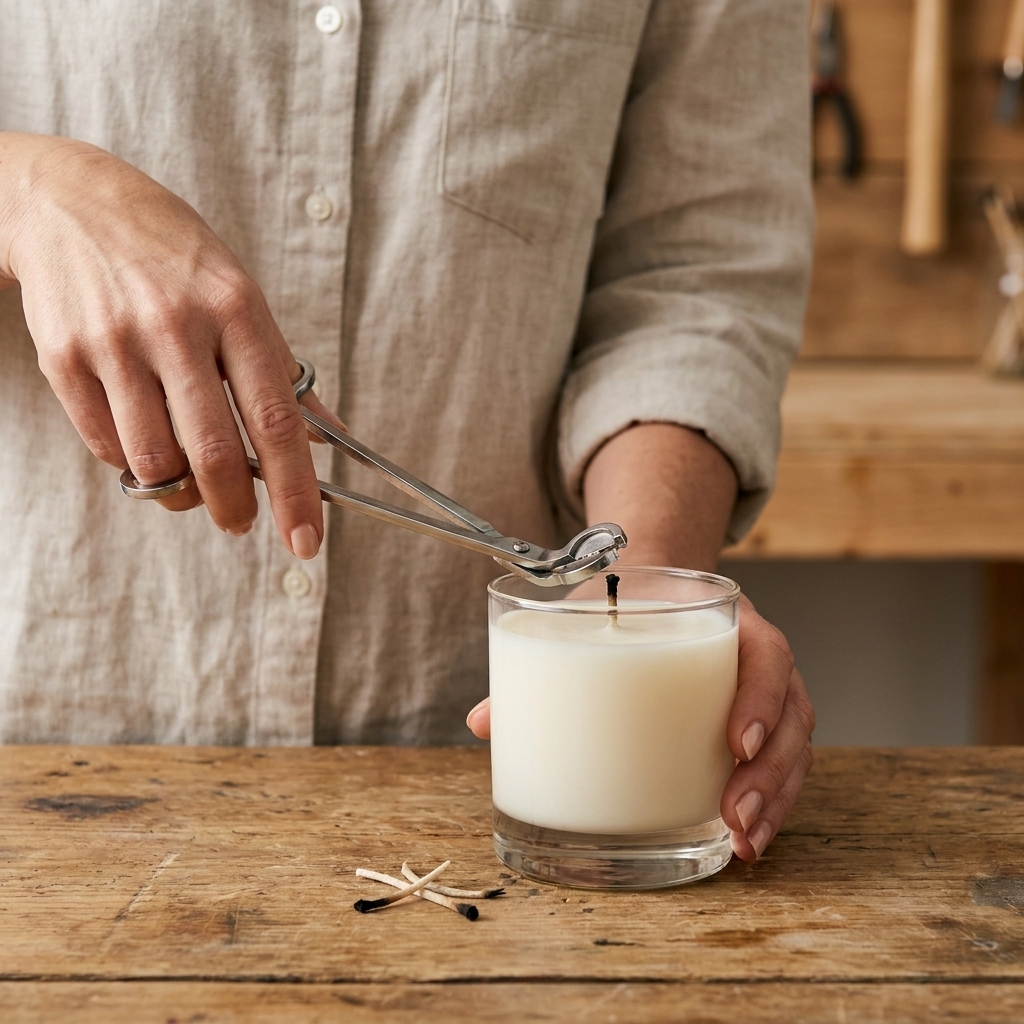
- Sooting: Trim wick to about 1/4 inch before each burn and test a smaller wick if the flame is too large.
- Wet spots or pull-away: Warm jars and avoid rapid cooling. Most paraffin blends still do better than soy here, but temperature swings can get anyone.
- Fragrance too strong or sweating: Reduce fragrance load and confirm recommended usage rates for your wax.
Beeswax quick fixes
- Tunneling in pillars: Size up your wick and ensure the candle is not burning in a drafty spot.
- Cracking in molds: Warm your mold slightly and cool more gradually.
- Added fragrance not noticeable: Consider leaving beeswax naturally scented, or keep expectations subtle.
Safety basics
A quick, responsible reminder before you go full mad scientist: follow your supplier’s fragrance load limits, use a thermometer, and do test burns. Watch for soot, an oversized flame, or a container that gets excessively hot. The prettiest candle is not worth a safety issue.
FAQ
Is soy wax really cleaner than paraffin?
“Cleaner” can mean a few things: renewability, soot, additives, or personal preferences about fossil-based materials. In practice, any candle can burn cleanly when it is properly wicked, made with quality ingredients, and burned responsibly. If your main concern is avoiding petroleum-derived wax, soy (or beeswax) will fit that preference better.
Which wax is best for jar candles?
Soy and paraffin both work beautifully in containers, and there are many container-specific blends for each. Soy gives a creamy look and often a long burn. Paraffin gives very strong throw and tends to be more forgiving for smooth tops and glass adhesion.
Which wax is best for pillars and molds?
Beeswax is a classic for pillars and tapers because it is sturdy and slow-burning. Paraffin also performs very well in pillars when you use a pillar blend. Many common soy container waxes are too soft for freestanding pillars unless they are a soy pillar blend.
Can I blend waxes?
Yes, many makers blend soy and paraffin to balance throw, appearance, and burn. Beeswax is also blended sometimes to add firmness or a warmer tone. If you are brand new, I recommend learning one wax first, then blending once you know what you are trying to improve.
My final take
If I could only keep one wax in my stash for a busy gift-making season, I would choose the one that matches the goal of the candle, not a one-size-fits-all winner. Paraffin is my “wow, it smells amazing” choice. Soy is my cozy, creamy jar candle choice when I have time to test and cure. Beeswax is my slow-burning, naturally beautiful choice for quiet evenings and pillar candles that feel like they belong on a farmhouse table.
Whichever wax you choose, the magic is in the testing. Keep notes, tweak one variable at a time, and let yourself enjoy the happy accidents. They are usually how you end up with your best candle recipe.