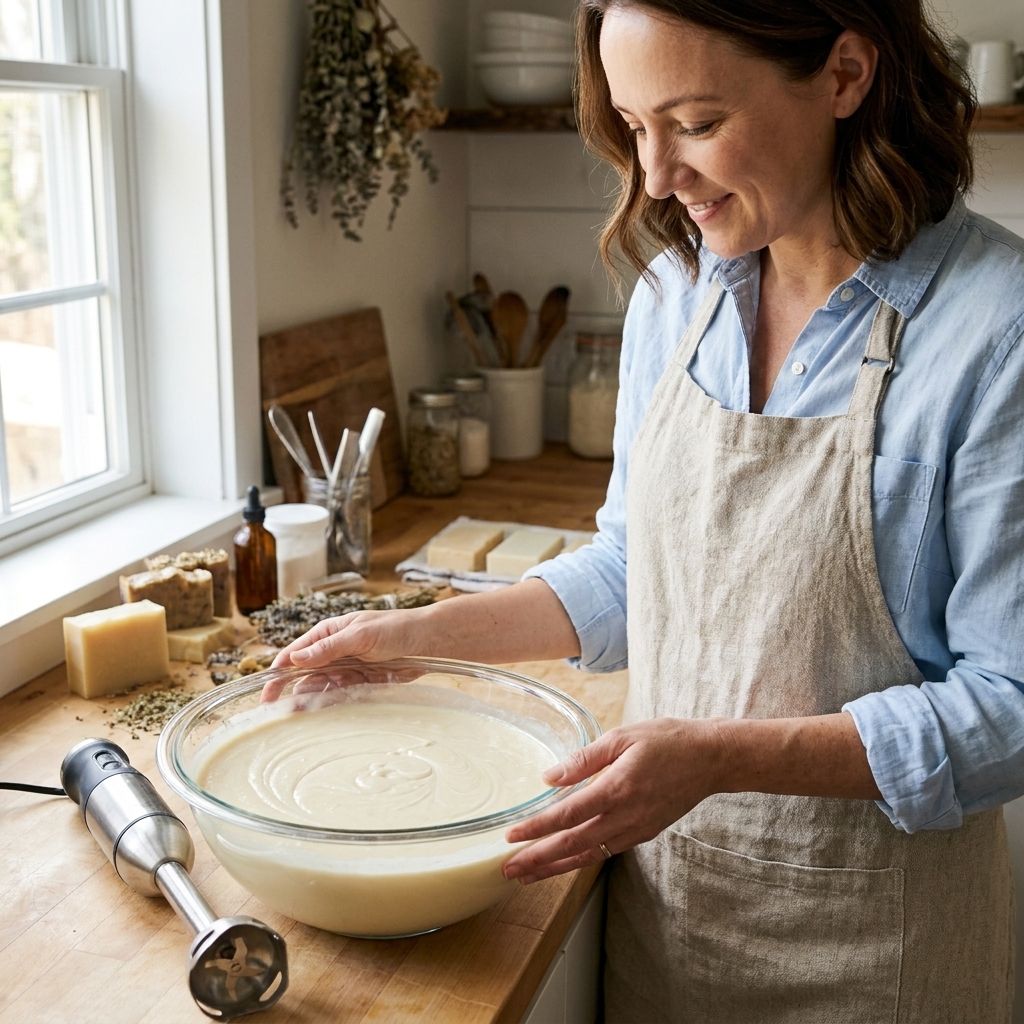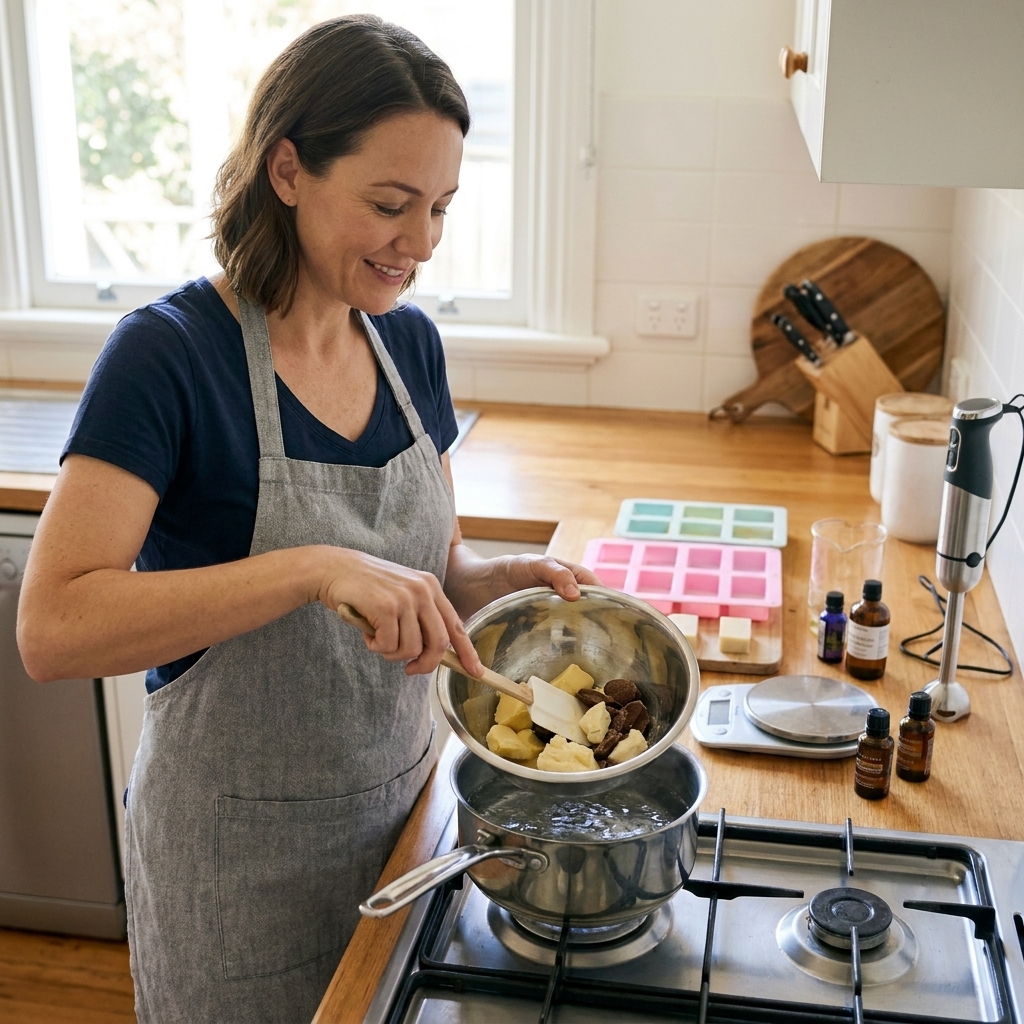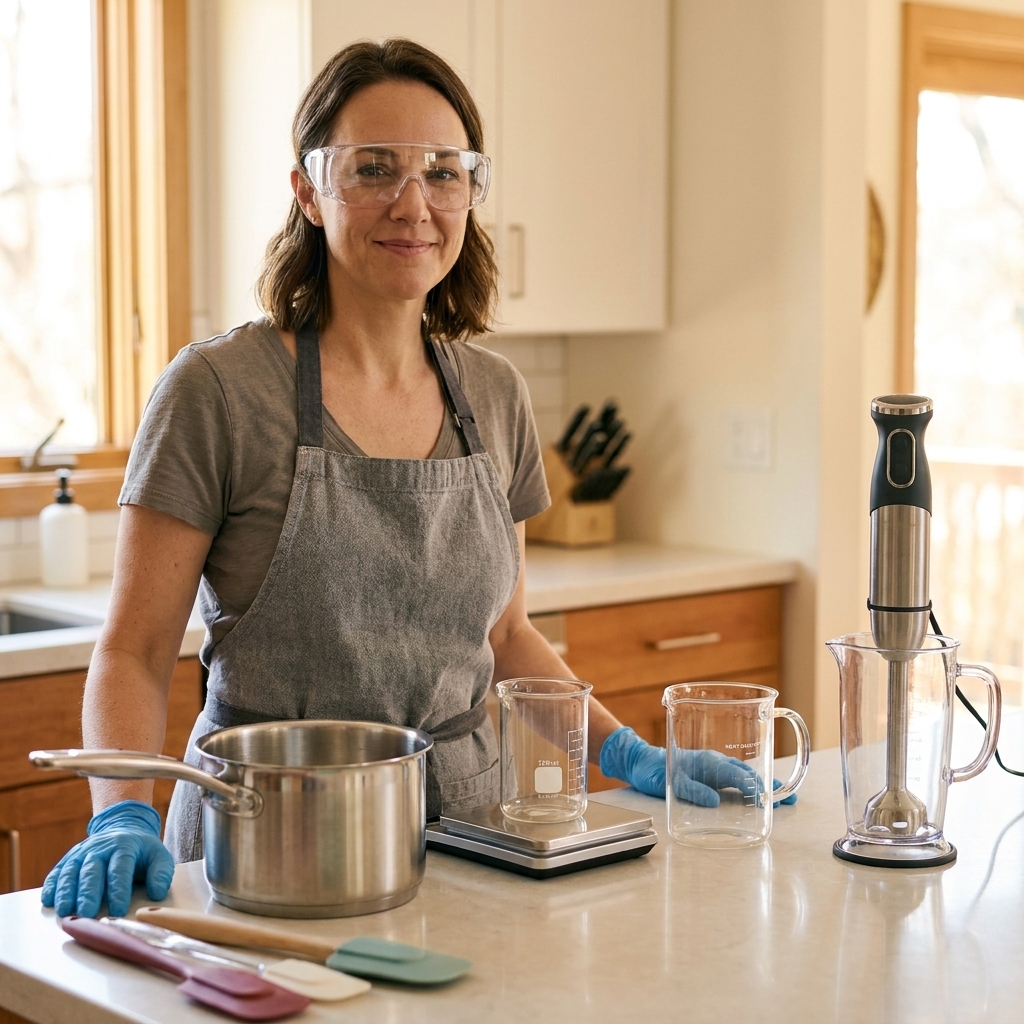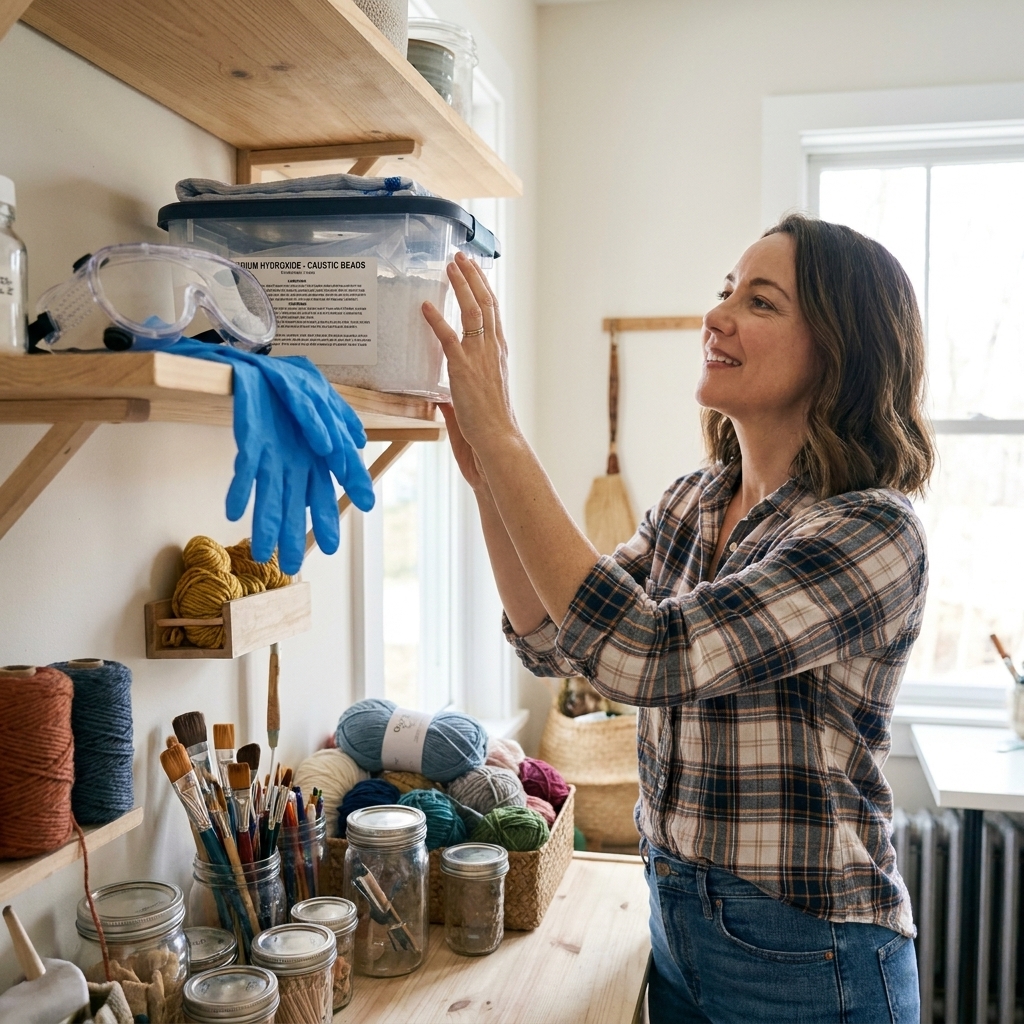
When I started making cold-process soap for holiday gifts, I assumed “oil is oil” and the fragrance would do all the personality work. Then I made a 100 percent coconut bar that felt like it could clean a garage floor, and a super high olive bar that took forever to unmold. Lesson learned: your base oils are the whole mood of your soap.
Below are my top 10 base oils and fats for soap making, what they do for hardness, cleansing, conditioning, and lather, plus the blending tricks I lean on when a recipe needs a little saving.
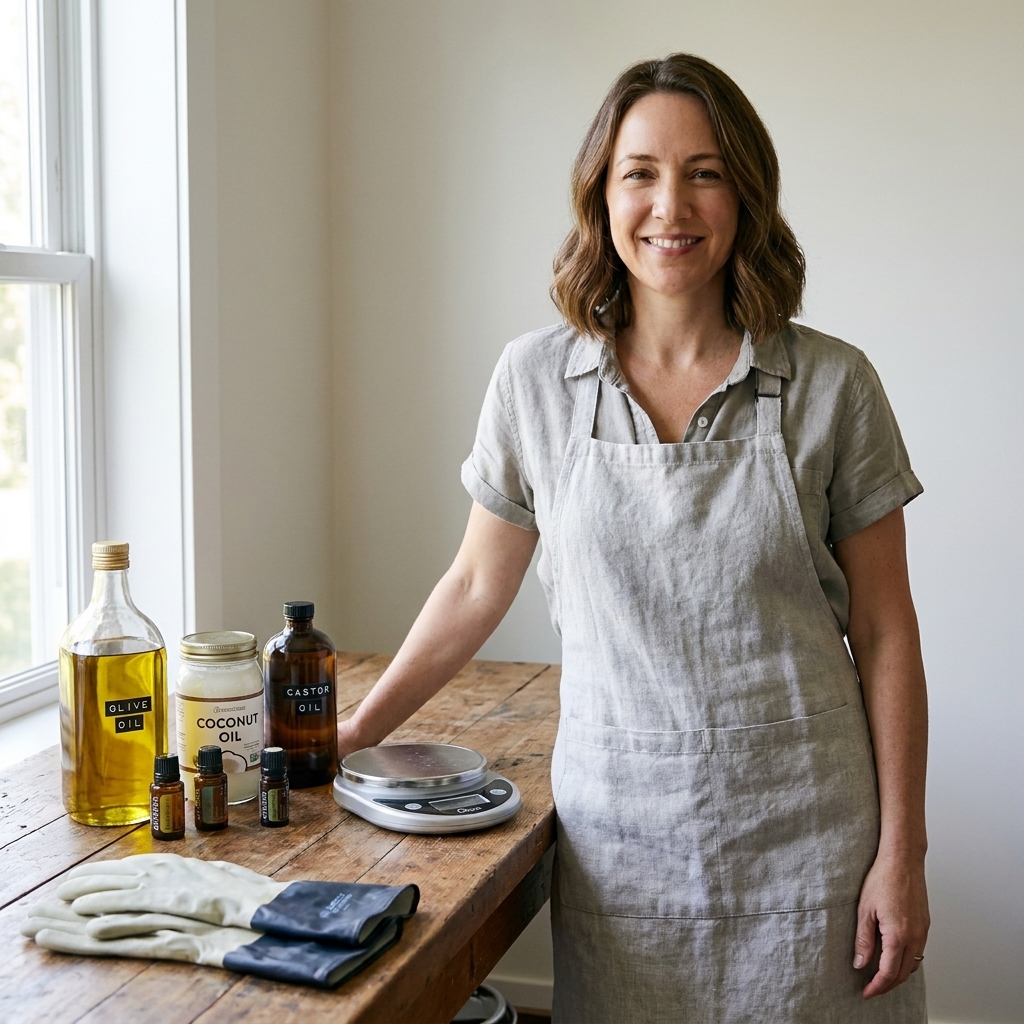
Quick safety and formulation notes
Before we get into the good stuff, a few reminders that keep the craft fun and not frantic:
- Always run recipes through a lye calculator (every time, even if you only changed one oil). SAP values vary by oil type and sometimes by supplier.
- Distinguish “oils” vs “fats.” In soap talk, we call them all oils, but some are solid at room temp (lard, tallow, cocoa butter). These higher-saturated “structure” fats are the backbone that helps bars get harder, unmold cleaner, and last longer.
- Watch your “cleansing” oils. High lauric and myristic oils (like coconut and palm kernel) make big bubbles but can feel drying if pushed too high.
- Superfat is your cushion, not your crutch. A common range for many bath bars is about 3 to 8 percent, but it is not a rule. Coconut-heavy and salt-style bars are often formulated higher on purpose, while some makers standardize at 5 percent for consistency.
1) Olive oil
What it does: Olive oil is the classic conditioning base. It makes a gentle, creamy bar with small bubbles and a silky slip. High-olive recipes often need a longer cure to reach their best hardness and lather.
- Lather: Low, creamy, stable
- Hardness: Medium, improves a lot with cure
- Cleansing: Mild
- Best for: Sensitive skin bars, facial soaps, “spa” style recipes
Blending tips: If your olive-heavy bar feels “too lotion-y” at first, pair it with a bubbly oil like coconut (modest amount) and a lather booster like castor. I love olive as the backbone at 30 to 60 percent of the oils, depending on the vibe.
Chloe note: Trace can feel slow and relaxed with olive, which is dreamy for swirls. If you need faster setup, add a harder fat like lard or cocoa butter.
2) Coconut oil
What it does: Coconut oil brings the party bubbles. It also boosts hardness and cleansing. In many recipes it is the difference between “nice” lather and “wow” lather.
- Lather: Big, fluffy, fast
- Hardness: High
- Cleansing: High
- Best for: Shower bars, salt bars, laundry and kitchen soaps (at higher percentages)
Blending tips: For a body bar, I usually keep coconut around 15 to 25 percent and let conditioning oils carry the rest. If you go higher, bump superfat to keep the bar from feeling squeaky.
Troubleshooting: Too much coconut can make a bar feel drying even if the lather is gorgeous. If your recipe is already bubbly but feels harsh, reduce coconut and add more olive, lard, or shea.
Worth knowing: A 100 percent coconut bar is not automatically a disaster. Many makers do it on purpose for salt-style bars or extra-cleansing uses, typically with a much higher superfat (often in the 15 to 20 percent range) so it still feels comfortable on skin.
3) Castor oil
What it does: Castor is the tiny-but-mighty lather booster. It helps bubbles feel creamier and longer lasting, and it can add a bit of humectant-like feel in the finished bar.
- Lather: Boosts and stabilizes
- Hardness: Low to medium
- Cleansing: Low
- Best for: Any recipe that needs better lather without upping cleansing
Blending tips: More is not better here. Castor is usually happiest at 3 to 8 percent. Overdoing it can make bars feel tacky or soft.
Chloe note: If a recipe is “perfect on paper” but the lather feels thin in real life, I almost always fix it with 5 percent castor.
4) Palm oil (or a sustainable alternative)
What it does: Palm oil is a workhorse for hardness and a creamy, stable lather. It behaves a bit like a plant-based stand-in for animal fats in terms of bar structure.
- Lather: Creamy, stable
- Hardness: High
- Cleansing: Low
- Best for: Balanced bath bars, intricate designs that need a bar to unmold cleanly
Blending tips: If you use palm, make sure it is fully melted and mixed before measuring. Palm can separate in the container, and that can throw your recipe off from batch to batch.
Alternative idea: If you prefer skipping palm, you can often get a similar “backbone” using lard or tallow, or a blend of cocoa butter plus a little extra coconut and a longer cure.
5) Lard
What it does: Lard makes a remarkably creamy, stable lather and a hard, long-lasting bar that feels gentle. It is one of the easiest ways to get that “store-bought bar” firmness without complicated butter blends.
- Lather: Creamy, dense
- Hardness: High
- Cleansing: Low
- Best for: Everyday bath bars, beginner formulas, mild bars for winter skin
Blending tips: Lard plays nicely with olive and coconut. A classic balanced approach is a conditioning oil (olive), a bubbly oil (coconut), and lard to keep everything sturdy.
6) Tallow
What it does: Tallow is lard’s close cousin in soap behavior. It creates hard, durable bars with a dense, creamy lather and excellent longevity in the shower.
- Lather: Creamy, stable
- Hardness: High
- Cleansing: Low
- Best for: Long-lasting shower bars, shave soap blends (with the right supporting oils)
Blending tips: Tallow plus castor is a beautiful pairing for lather stability. Add a measured amount of coconut if you want more lift and bubble size.
Chloe note: If you have ever had a bar dissolve into mush by week two, adding tallow or lard is one of the most reliable fixes. That said, mush can also come from too much water, a very high superfat, lots of soft oils, or simply not enough cure time.
7) Shea butter
What it does: Shea butter adds richness and a “cushiony” feel, plus it supports hardness. It is also wonderful for reducing that stripped feeling in more cleansing recipes.
- Lather: Creamy, conditioning
- Hardness: Medium to high
- Cleansing: Low
- Best for: Luxury bars, dry skin formulas, winter soaps
Blending tips: Shea is typically used around 5 to 15 percent. Too much butter can mute bubbles, so balance it with coconut or a small amount of sugar added to your lye water if you like a fluffier lather.
8) Cocoa butter
What it does: Cocoa butter brings serious hardness and a smooth, polished feel to the bar. It can also contribute a faint natural chocolate note, especially in unscented or lightly scented soaps.
- Lather: Creamy, lower bubble size
- Hardness: High
- Cleansing: Low
- Best for: Harder bars, warm-weather shipping, crisp unmolding
Blending tips: A little goes a long way. I usually stay in the 3 to 10 percent range. If you push cocoa butter higher, expect faster trace and plan a simpler design.
9) Avocado oil
What it does: Avocado oil is a skin-loving conditioning oil that can feel a little more “buttery” than olive in the finished soap. It is a lovely way to boost conditioning without changing the whole personality of your base.
- Lather: Creamy, supportive
- Hardness: Low to medium
- Cleansing: Mild
- Best for: Conditioning blends, facial bars, recipes that feel a bit too cleansing
Blending tips: Use it like a booster oil at 5 to 15 percent, especially if your base is olive plus a hard fat. Like other liquid oils, it behaves best when it is paired with structure fats and given a solid cure.
Budget note: Avocado can be pricier, so I like it as the “special ingredient” rather than the full backbone.
10) Sunflower oil (high oleic preferred)
What it does: Sunflower oil can make a very nice, conditioning bar. The key detail is which kind you buy. High oleic sunflower is generally more stable for soap than high linoleic versions.
- Lather: Gentle, creamy
- Hardness: Low to medium
- Cleansing: Mild
- Best for: Lightweight conditioning, swapping for part of olive in a recipe
Blending tips: Keep sunflower in a moderate range, commonly 5 to 20 percent, and pair it with harder fats for structure. If you love using liquid oils, make sure your cure is long enough to develop a harder, longer-lasting bar.
DOS note: Oils higher in linoleic acid (often regular sunflower, grapeseed, and some soybean blends) can be more prone to oxidation, which is one factor behind dreaded orange spots (DOS). High-oleic versions are popular partly because they tend to hold up better over time.
How to blend oils for a balanced bar
If you are staring at ten bottles and feeling like you need a chemistry degree, here is the simple way I think about it:
- Pick a backbone (30 to 60 percent): olive, lard, tallow, or a palm-based structure oil.
- Add bubbles (10 to 25 percent): coconut is the most common. Adjust down if your skin runs dry.
- Stabilize lather (3 to 8 percent): castor is my go-to.
- Add “luxury” (5 to 15 percent): shea, cocoa butter, avocado, or high oleic sunflower.
From there, tune based on the kind of bar you want: harder for humid bathrooms and gifts, gentler for winter skin, bubblier for teenagers who want a fun shower experience.
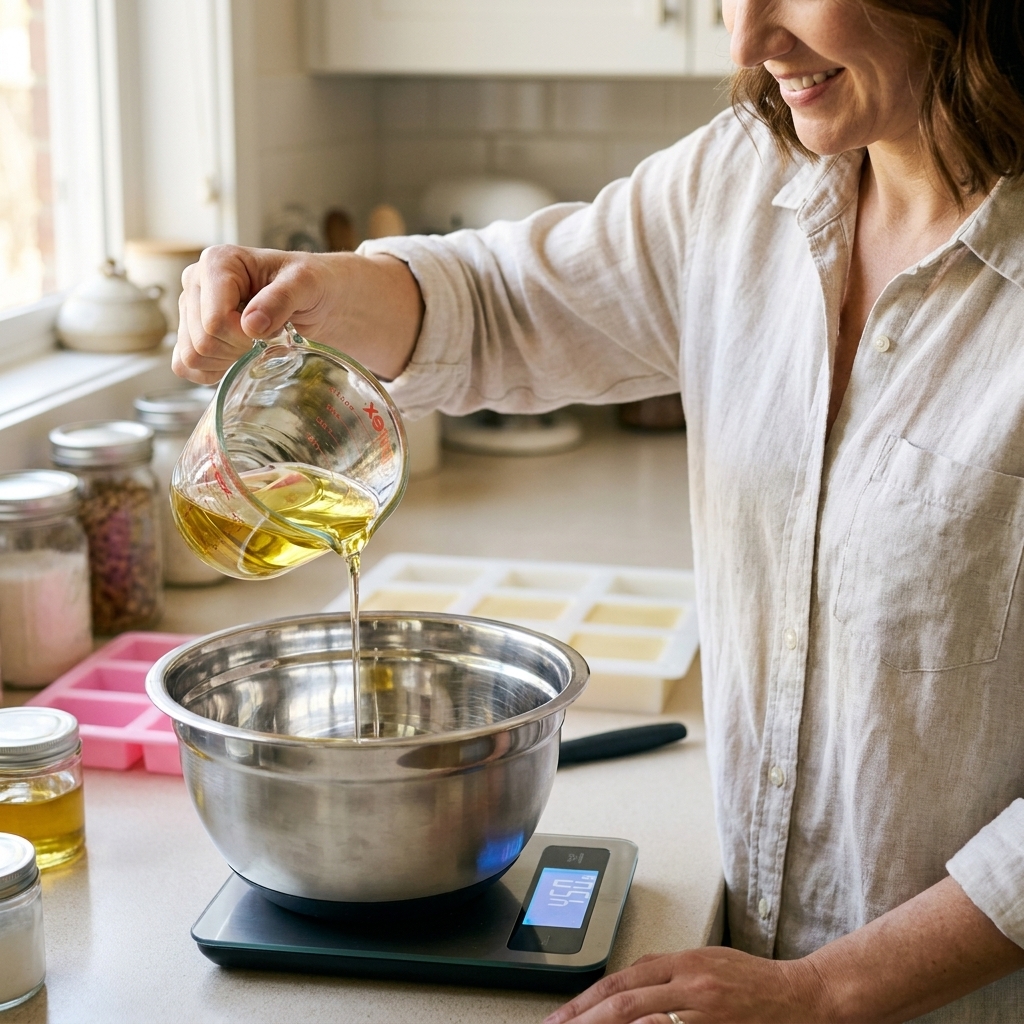
A simple starter formula
If you want one balanced, do-it-a-few-times recipe that teaches you a lot without fighting you, start here (percentages of your total oils):
- 40% olive oil
- 30% lard (or tallow)
- 20% coconut oil
- 5% shea butter
- 5% castor oil
Run it through your lye calculator for your exact batch size and your preferred superfat. If your skin runs dry, pull coconut down a bit and bump olive or lard. If you want louder bubbles, nudge coconut up and keep an eye on superfat.
Cure and unmold basics
A few timing notes that save a lot of frustration:
- Unmold: Many recipes unmold in 12 to 48 hours, but high-olive formulas can take longer, and high-coconut formulas can set up fast. Water amount, room temp, and additives matter.
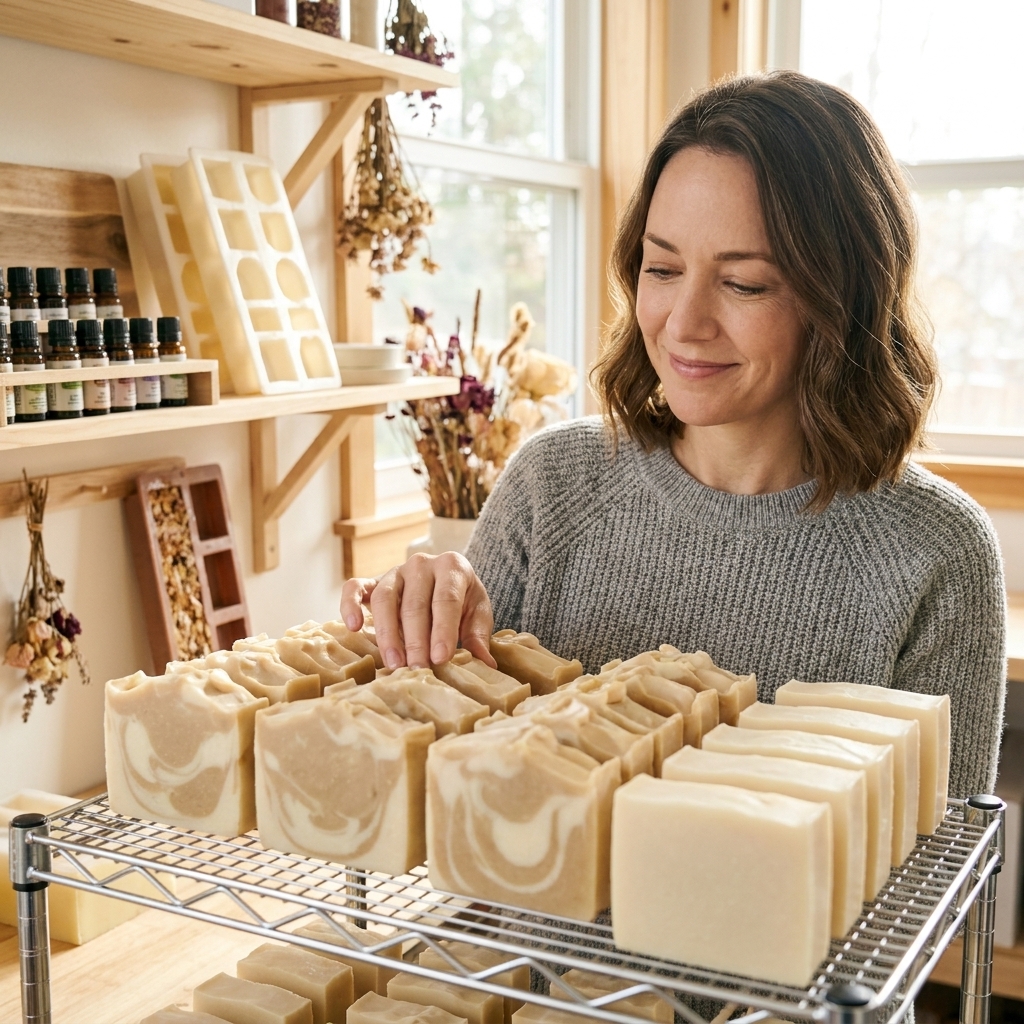
- Cure: Most bath bars feel noticeably better after 4 to 6 weeks. Longer cures often mean a harder bar, better longevity in the shower, and more polished lather.
- If bars feel soft: Before you blame one oil, check water amount, superfat, how fresh the bar is, and whether it has had plenty of airflow.
Common questions I get at Candlory
What is the best base oil for beginners?
If you want the easiest learning curve, start with olive oil plus a hard fat like lard or tallow, then add a little coconut for lather and castor for stability. It unmolds reliably and gives you time to work.
Can I make soap with 100 percent olive oil?
Yes. It is traditionally called Castile-style soap. Expect a slower unmold and a longer cure for the bar to get hard and reach its best lather. If you try it, keep your water amount and cure time in mind and be patient.
Why does my soap feel drying even when it looks perfect?
The most common culprit is a high percentage of very cleansing oils (often coconut or palm kernel) paired with a low superfat. Lower the cleansing oil percentage, raise superfat slightly, or add more conditioning oils like olive, avocado, or shea.
How many oils do I need in one recipe?
Two to four is plenty. More oils does not automatically mean a better bar. A simple blend that you can repeat consistently is the fastest way to learn what each oil is doing.
What about canola, rice bran, babassu, or palm kernel?
They are all used successfully in soapmaking. Canola and rice bran can behave like other conditioning liquid oils, babassu can act like a coconut-style bubbly oil, and palm kernel is another high-cleansing, big-lather option. I kept this list to my most-reached-for bases, but those are great “honorable mentions” once you want to branch out.
My “happy accidents” rule
If you are experimenting, change one thing at a time. Swap 10 percent of an oil, not three oils at once. Keep notes on trace, unmold time, and how the bar feels at 2 weeks and 6 weeks. Soap rewards patience in a way that candle wax never quite does.
And if a batch surprises you, do not panic. Half of my favorite formulas started as “well, that was not what I meant to do” and ended as “okay, we are writing this one down forever.”