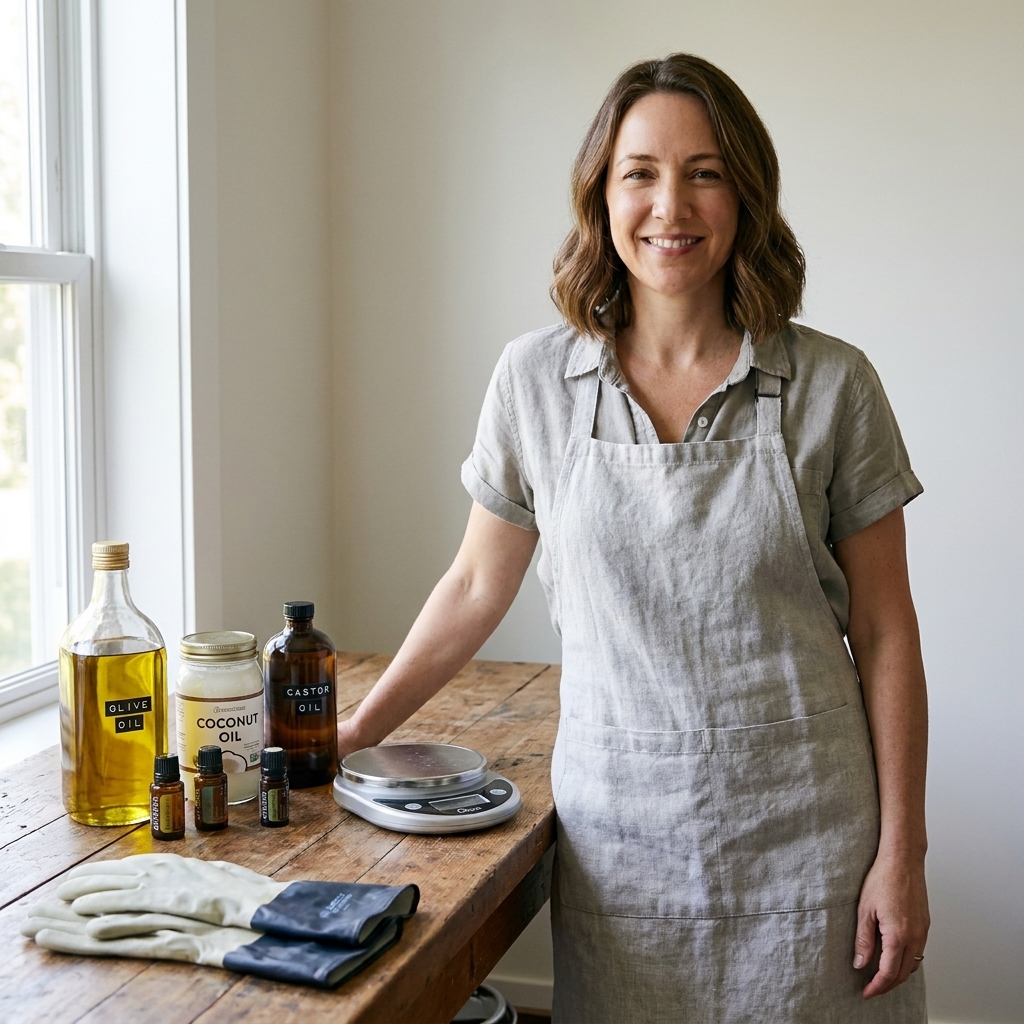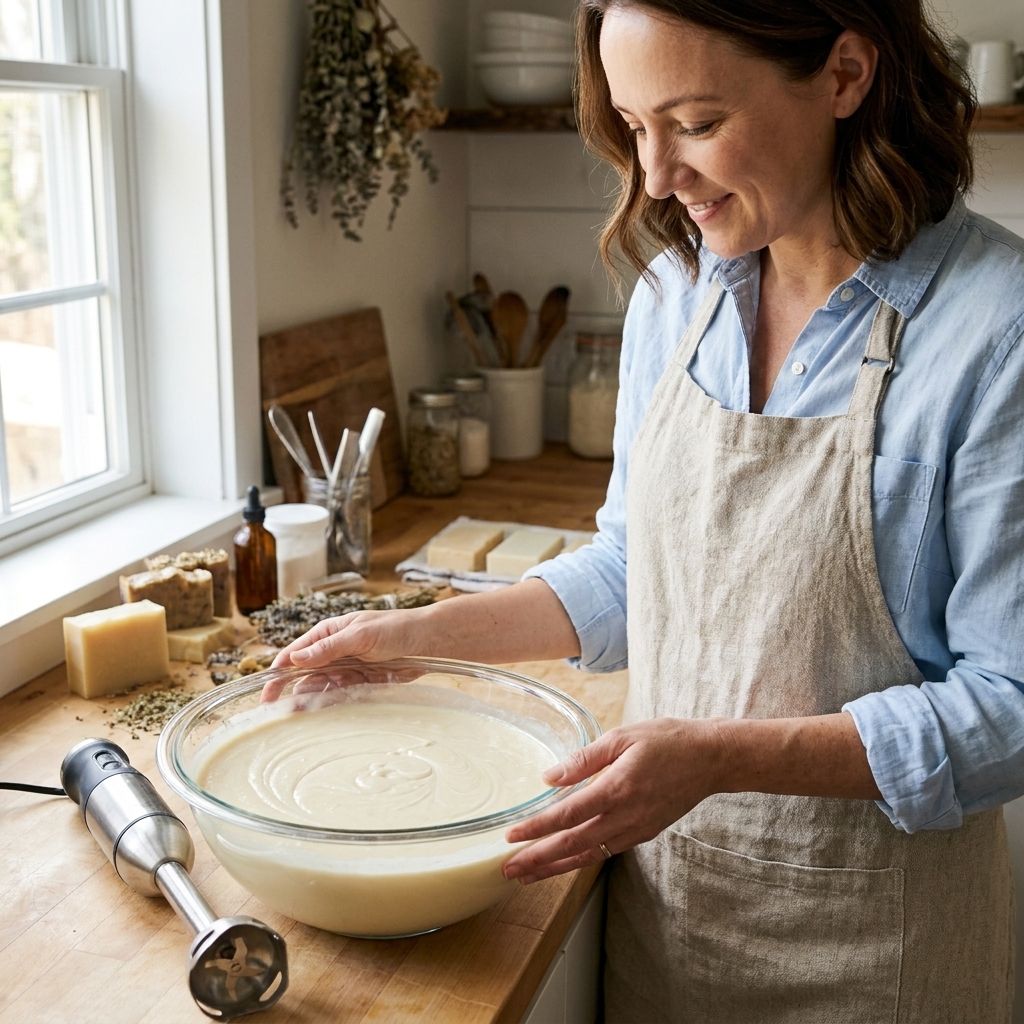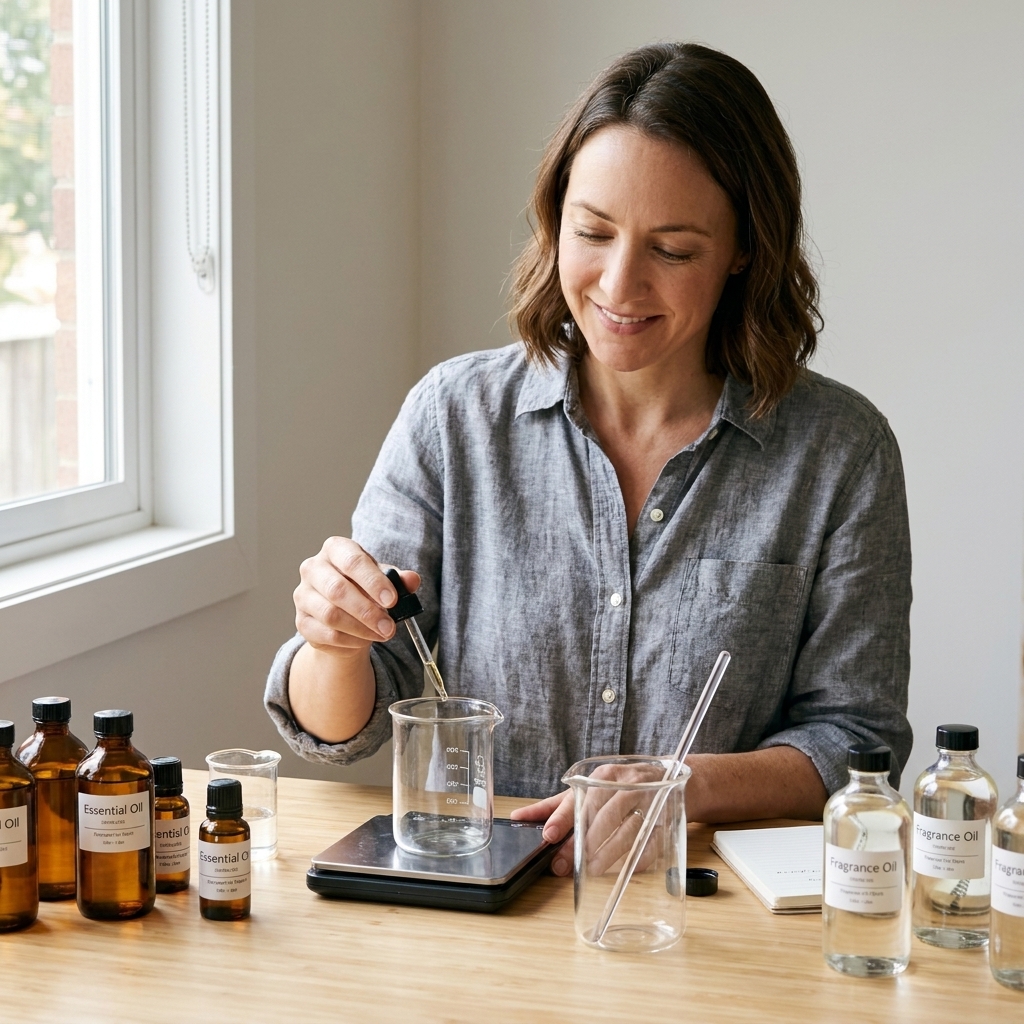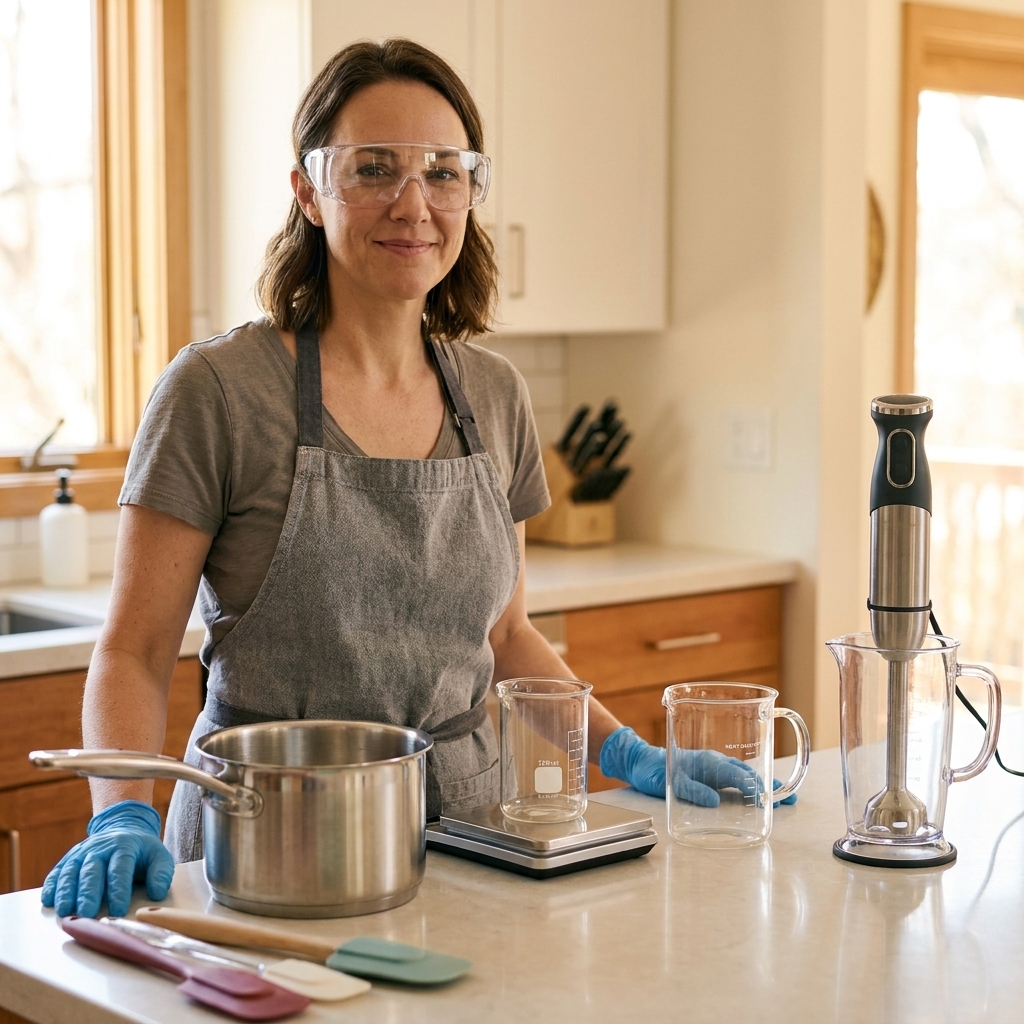
Hard butters are my favorite way to make a bar feel quietly luxurious without turning formulation into a science fair. Shea, cocoa, and mango butters can add creaminess, longevity, and that dense, “spa bar” vibe. They can also thicken your batter fast if you are not expecting it.
Below is how I think about each butter when I am building a recipe from scratch: what it contributes, how much to use, what temperature quirks to watch for, and the little tricks that keep trace friendly.
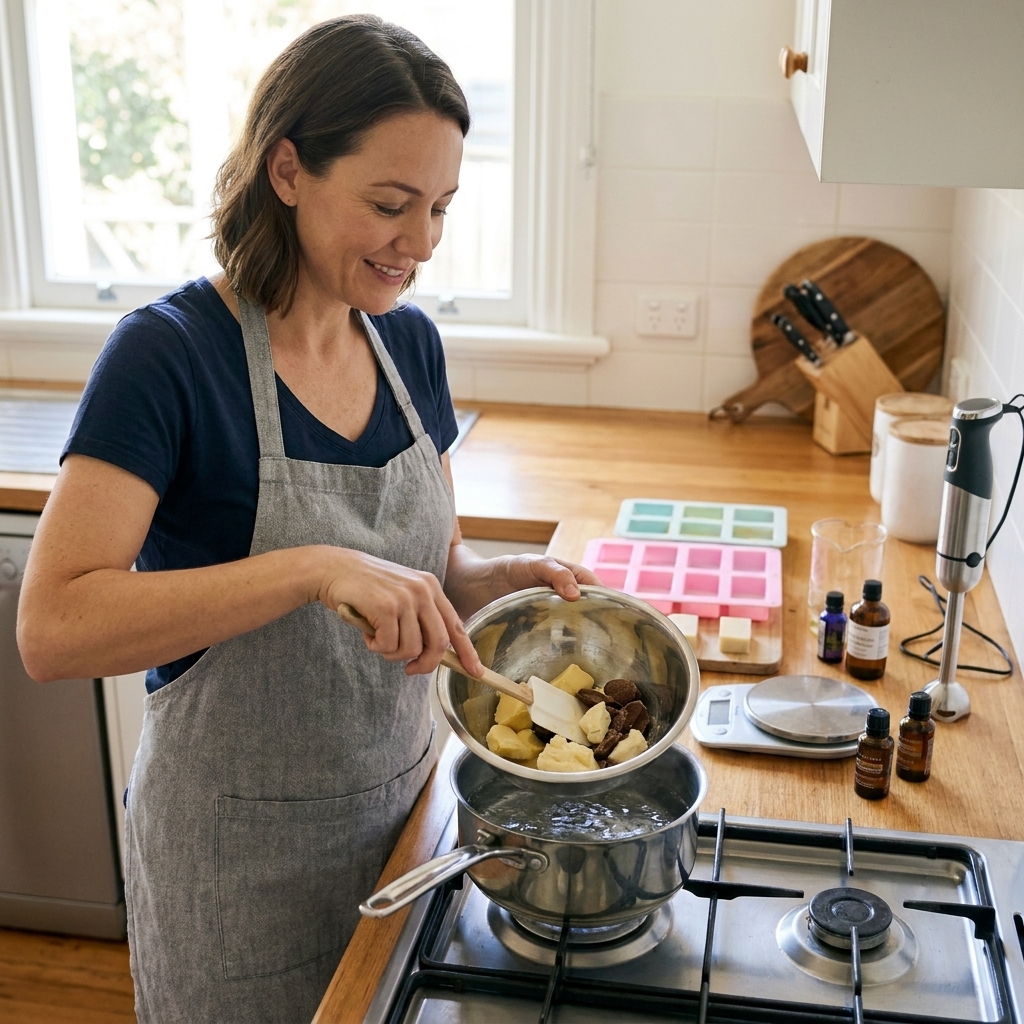
Why add hard butters?
In cold-process soap, these three “hard” butters are solid at room temperature and tend to bring more stearic and palmitic acids than most liquid oils. In plain maker English, that often means:
- Harder bars sooner (easier unmolding and cleaner cuts).
- Longer-lasting soap in the shower (less mushy), especially when you pair them with a full cure and a reasonable water amount.
- Creamier lather (more dense and lotion-like, sometimes at the expense of big bubbles).
- A richer skin feel (more cushion and glide).
The tradeoff is that hard butters can speed up trace, and in some formulas they can create false trace if your batter cools and the fats start solidifying before true saponification is underway.
Melting points in practice
Melting points vary by supplier and processing (and cocoa butter in particular is famously finicky). Think of these as common supplier specs I see, not laws of nature. They are still useful for planning your soaping temps.
| Butter | Common melting range | What that means for your batter |
|---|---|---|
| Shea butter | About 32 to 38°C (90 to 100°F) | Usually cooperative, but grainy shea or cool rooms can thicken batter sooner than expected. |
| Cocoa butter | About 34 to 36°C (93 to 97°F) | Sets up quickly as it cools and can accelerate thickening in higher percentages. |
| Mango butter | About 30 to 35°C (86 to 95°F) | Similar firmness to cocoa, often a touch easier in trace, depending on the batch. |
My comfort zone for butter-heavy formulas: I usually soap around 32 to 38°C (90 to 100°F) and keep everything, including my mold, ready before I blend. If you are doing a swirl, err toward a lower butter percentage first, not lower temperatures.
How much to use
These are starting points that behave well for most makers using a typical water amount and a reliable fragrance oil. You can absolutely go higher, but do it on purpose.
Shea butter
- Typical: 5 to 15% of total oils
- Pushy but doable: 15 to 25%
- What it does: Creamy lather, conditioning feel, gentle firmness
- Watch for: Slight acceleration, potential for a waxy drag if the rest of the recipe is very high in hard fats
Shea is the “easy friend” in a lot of recipes. It adds plushness without making the bar feel brittle. If you are new to butters, start at 5 to 10% and learn how your fragrance and colorants behave first.
Cocoa butter
- Typical: 3 to 10%
- Pushy: 10 to 15% (plan for faster thickening)
- What it does: Beautiful hardness and longevity, dense creamy lather, very “finished” feel
- Watch for: Faster thickening, potential brittleness or cracking if your total hard fats are very high, and a hotter gel in some setups
Cocoa butter is fabulous, but it is not subtle. Even 5% can change the personality of a bar. If you want ornate swirls or lots of time at thin trace, cocoa butter is the one I keep modest.
Mango butter
- Typical: 5 to 12%
- Pushy but common: 12 to 20%
- What it does: Hardness, creamy stable lather, smooth non-waxy glide
- Watch for: Acceleration is possible, but often a little gentler than cocoa butter at the same percentage
Mango butter is my go-to when I want some of cocoa butter’s firmness but with a bit more working time. It is also lovely in minimalist “butter and olive” style formulas where the bar needs help unmolding cleanly.
Butters and trace
Trace is influenced by a lot of things, but butters tend to add two common thickening triggers:
- Fatty acid profile: More stearic and palmitic tends to thicken batter faster.
- Temperature behavior: These fats want to solidify as the batter cools, which can mimic trace.
False trace signs
- Batter looks thick and pudding-like within seconds of combining oils and lye.
- You see tiny waxy grains or solid bits, especially if your room is cool or your oils were not fully melted.
- The batter thickens, then loosens again with gentle warming.
Quick clarity: Those waxy grains from cooling fats are not the same thing as fragrance “ricing,” which is more about fragrance and additives misbehaving (and it can happen even when everything is plenty warm).
How I keep things workable
- Fully melt and hold: Melt hard butters completely, then mix with your liquid oils and let the full oil pot equalize for a few minutes so no hidden solids remain.
- Soap a bit warmer: If you normally soap at 27°C (80°F), bump up to 32 to 35°C (90 to 95°F) when you are using cocoa or mango butter.
- Mind your water: Higher lye concentration (less water) can speed thickening. If you want more working time for swirls, do not choose your most aggressive water discount on a butter-heavy batch.
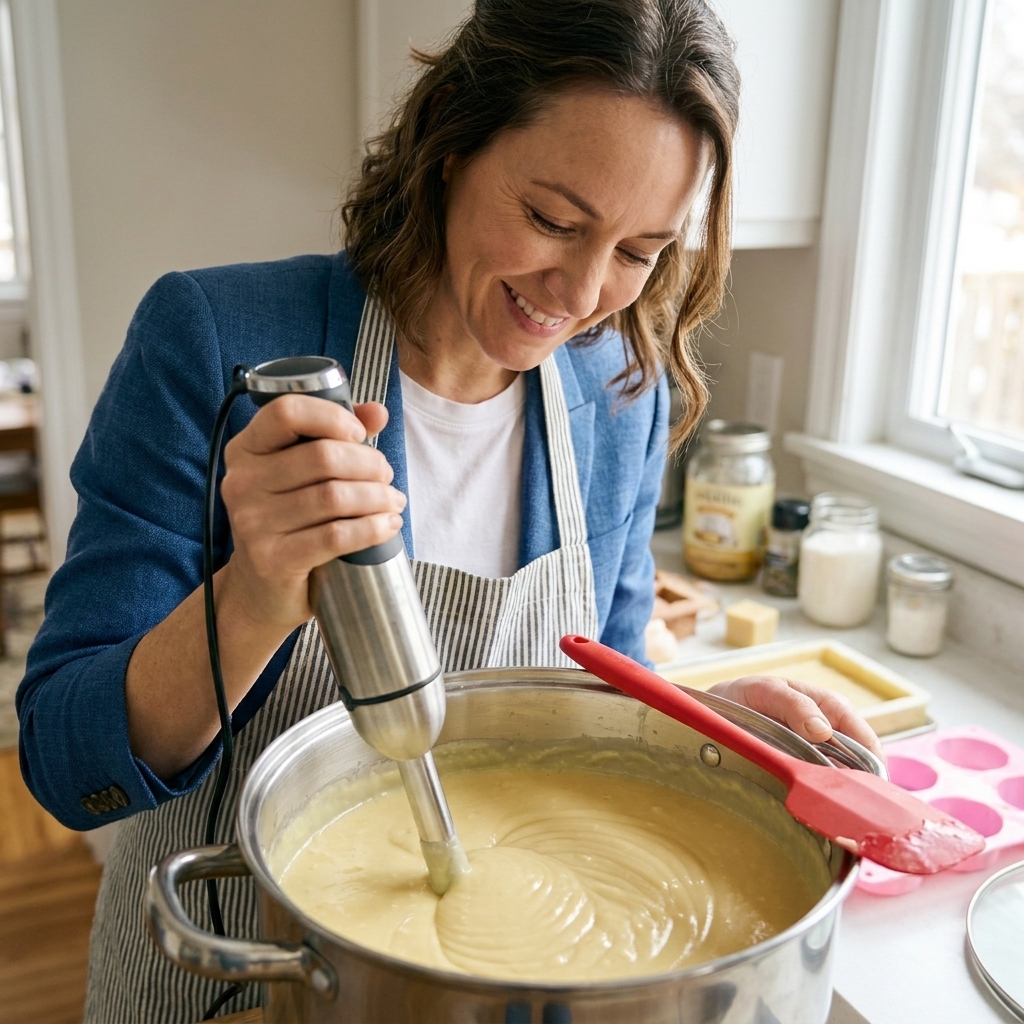
- Stick blend in short bursts: A few seconds at a time, then hand stir. Most butter-heavy recipes do not need a long blend.
- Pick well-behaved fragrances and additives: Some fragrance oils accelerate on their own. Additives like clays, salt, sugar, honey, milk, and some botanicals can also change thickening and heat. Stack too many “fast” variables and you can end up spooning soap into the mold.
What each butter does
Shea butter
In a balanced formula, shea tends to make lather feel more velvety and less squeaky. It is especially nice in facial bars and winter soaps where you want a gentle, creamy rinse. If a bar feels a little drying, I often adjust with a small shea increase before I mess with the rest of the formula.
Cocoa butter
Cocoa butter can make a bar feel “snappy” when you cut it and noticeably firm in the shower. It is fantastic for single cavity molds and detailed tops because it holds its shape so well. The downside is that too much, especially alongside other hard fats, can edge into a brittle feel.
Mango butter
Mango butter gives a smooth, satiny slip that I find less waxy than high shea in certain recipes. It is also a great option when you are trying to keep your formula palm-free but still want a bar that unmolds on schedule.
Recipe-building tips
1) Decide the butter’s job
- Want more creaminess? Start with shea at 5 to 10%.
- Want a harder, longer-lasting bar? Start with cocoa at 3 to 7% or mango at 5 to 10%.
- Want both? Combine shea and mango in moderate amounts rather than pushing one butter very high.
2) Watch total hard fats
There is no single perfect number, but if you stack multiple hard fats at once, thickening can get fast and the bar can get brittle. If you are using a lot of coconut oil, palm, tallow, or lard, treat cocoa butter as a smaller accent.
3) Adjust process first
If you love your design plan, support it with technique: soap a touch warmer, use more hand stirring, do not over-discount water, and choose a fragrance that behaves. I would rather tweak my process than give up a swirl I am excited about.
Starter butter profiles
These are percentage “shapes” that behave well. Plug them into your preferred soap calculator, run your lye amounts, and then adjust based on what oils you already love using.
Gentle and creamy
- Shea butter: 8%
- Hard base oils (palm, tallow, lard, or similar): 25 to 35%
- Liquid oils (olive, high oleic sunflower, rice bran, etc.): remainder
- Coconut oil: 15 to 20%
Hard and polished
- Cocoa butter: 5%
- Hard base oils: 30 to 40%
- Liquid oils: remainder
- Coconut oil: 15 to 20%
Palm-free firmness
- Mango butter: 10%
- Hard base oil (cocoa butter optional at 3% max): 0 to 3%
- Olive or other high oleic oils: 45 to 60%
- Coconut oil: 18 to 22%
Safety reminder: Always run any formula through a soap calculator, and always weigh your lye and liquids. Butters do not change the safety rules, they just change how quickly you need to move.
Troubleshooting
Batter got thick too fast
- Stick blend less next time and rely on hand stirring.
- Lower cocoa butter, or swap some cocoa for mango or shea.
- Check your fragrance oil for acceleration and try a different one.
- Soap slightly warmer so fats stay melted longer.
- Ease up on water discount if you used one.
Stearic spots or pale beads
- That is often unincorporated or re-solidified hard fat. Fully melt butters and keep your oils warm enough to stay uniform.
- Warm your mold and avoid soaping in a very cold room.
- Bring lye solution and oils closer in temperature so you are not chilling the pot on contact.
Bars feel brittle or cracking
- Reduce total hard fats, especially cocoa butter.
- Avoid heavy insulation if your recipe runs hot. Some butter-heavy soaps can gel warmer, especially in large molds or with heat-loving additives like sugars and milks.
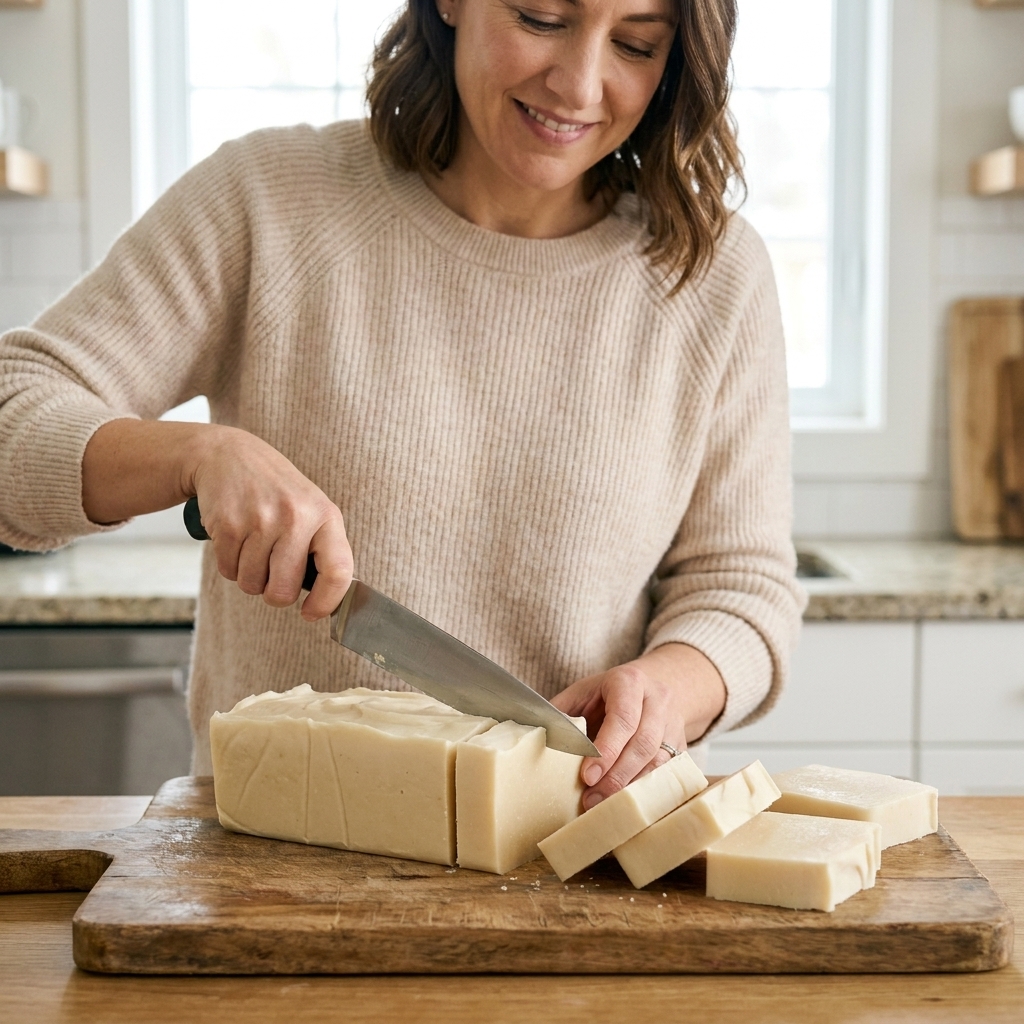
- Cut sooner if the loaf is getting very hard fast.
Quick FAQ
Refined vs unrefined butters?
Yes, you can use either. Unrefined shea especially can bring a nutty aroma that may show through delicate fragrance blends. Refined butters tend to be more neutral. Performance in soap is usually similar enough that I choose based on scent and budget, then keep my usage rate consistent.
Do hard butters increase superfat?
Not automatically. Superfat is set by your lye amount relative to your oils. Butters can make a bar feel more conditioning, which sometimes gets confused with “more superfat.” If you want to change superfat, adjust it in your calculator.
Will cocoa butter make my soap smell like chocolate?
Usually not after cure, especially in scented bars. In unscented soap, you might notice a faint creamy note, but it is subtle.
Best butter for beginners?
Shea at 5 to 10% is the easiest entry point. If you want more hardness without surprise-thick batter, mango butter at 5 to 10% is a close second.
Experiment without drama
If you are itching to try all three butters at once, my happiest-accidents advice is to change only one variable per batch. Make your usual recipe, swap in 5% of one butter, and take notes on unmolding time, thickening speed, and how the bar feels at four to six weeks. You will learn your preferences fast, and you will build a “butter intuition” that makes future recipe tweaks feel easy.