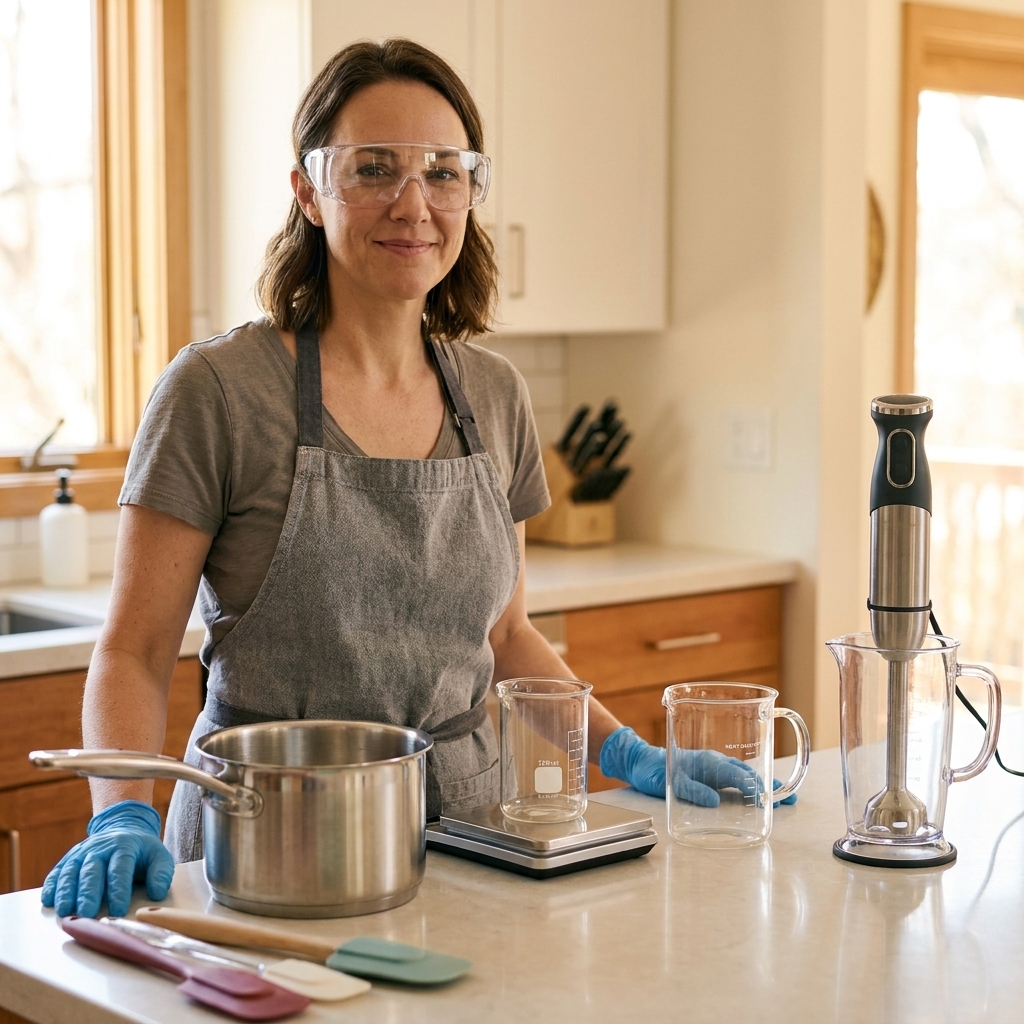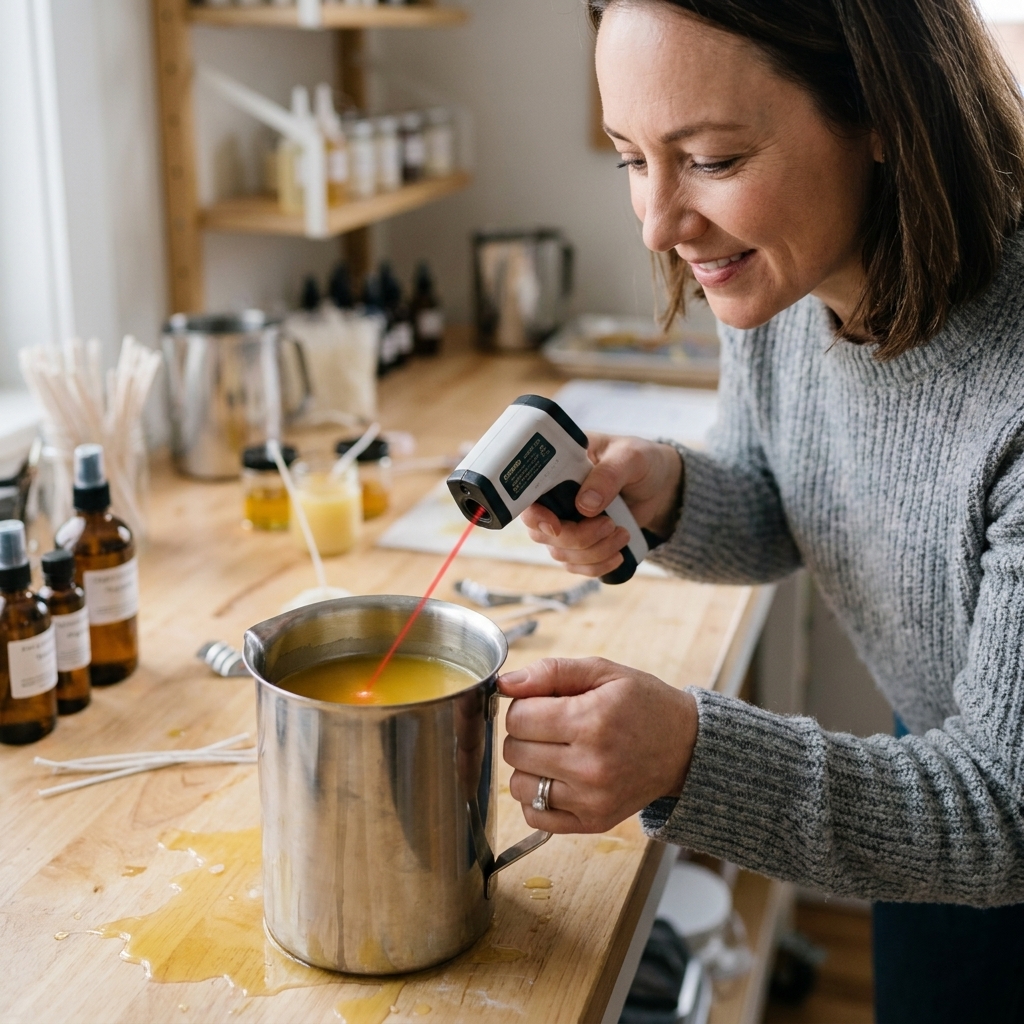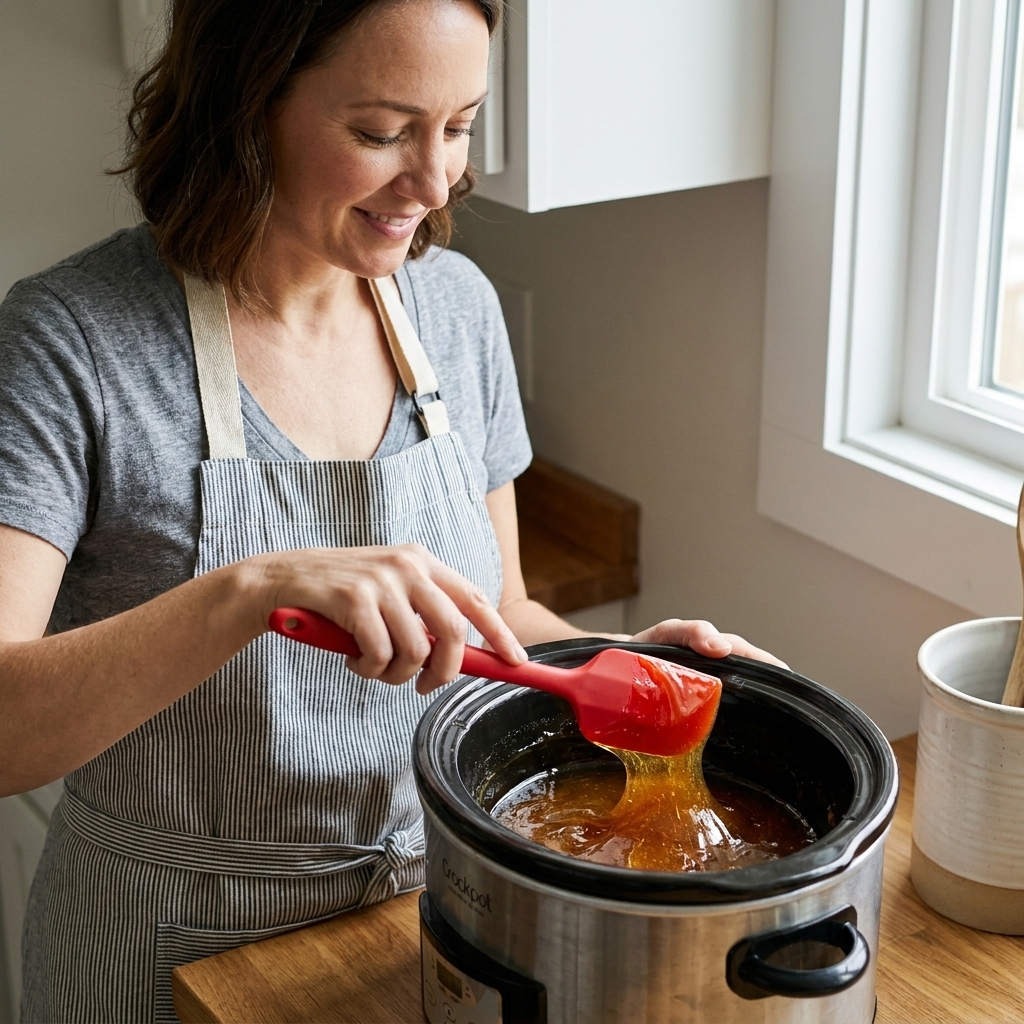
Lye is one of those ingredients that feels intimidating until you get your systems in place. Once you do, it becomes wonderfully predictable: buy sodium hydroxide (NaOH) from a reputable source, keep it bone-dry, label it clearly, and treat it with respect every time you open the container. In this guide, I will walk you through where to buy soapmaking lye (locally and online), what to look for on labels and listings, and exactly how to store it so it does not turn into a hard, damp brick.

Buy the right lye
For cold-process and hot-process bar soap, you want sodium hydroxide (NaOH). It is often sold as beads, pearls, flakes, or microbeads. Any of those forms can work beautifully.
Do not confuse it with potassium hydroxide (KOH), which is used for liquid soap and some shaving soaps. KOH is a different alkali and does not swap 1:1 with NaOH.
Purity: what to aim for
In the real world, reputable lye is commonly 98% to 100% NaOH (often around 99%). For most soapmakers, the important thing is that it is high-purity sodium hydroxide with no added ingredients.
- Ingredient: Sodium hydroxide
- Purity (assay): Ideally 98%+
- No additives: No aluminum bits, no fragrance, no dyes, no detergents, no corrosion inhibitors
If your lye is not 100% and the supplier provides an SDS or COA with an assay (purity), you can adjust your lye amount to match that purity. Many soap calculators assume 100% unless you tell them otherwise.
If a product is marketed primarily as a drain opener, read extra carefully. Some drain openers are pure NaOH, but many include additives such as aluminum shavings (extra heat and gas), sodium chloride (filler), or surfactants. Those extras are exactly what you do not want in soap.
Where to buy lye locally
Buying locally can be convenient when you need lye quickly, but it tends to require a little more label detective work. Bring your reading glasses and do not be shy about putting it back on the shelf if anything looks vague.
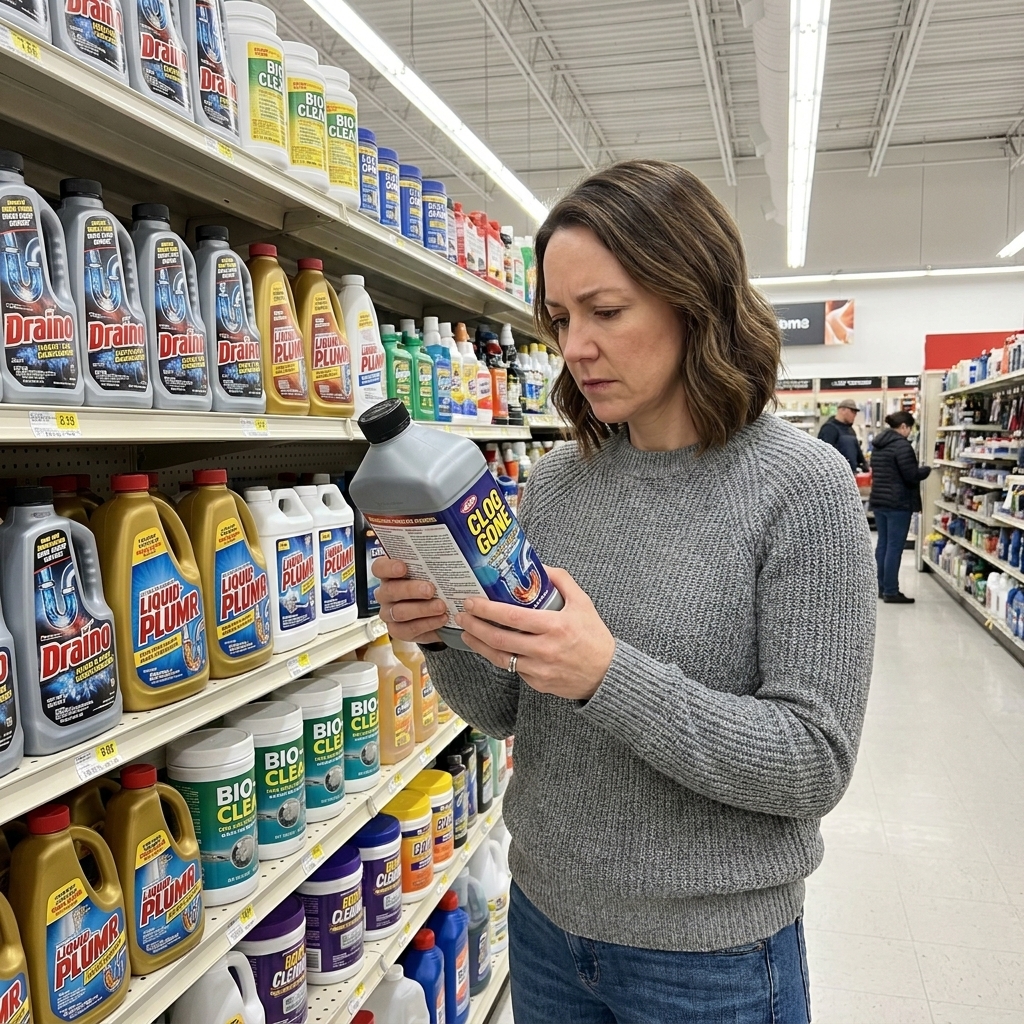
Hardware and home improvement stores
This is the classic local source. Look in the plumbing or drain care aisle. Your goal is a product that lists sodium hydroxide as the only ingredient.
- Best case: The label clearly lists sodium hydroxide as the sole ingredient, with a high purity or 100% claim.
- Yellow flag: The front says “lye,” but the back has multiple ingredients, “inhibitors,” or vague blends.
- Skip it: Anything that does not list ingredients, lists multiple active ingredients, or includes bacterial additives.
Farm supply stores
Some farm and ranch supply stores carry sodium hydroxide for cleaning and maintenance. Again, read the label and confirm it is only NaOH, ideally with a stated assay or clear SDS access.
Grocery stores (sometimes)
In some regions, you may find lye sold for food uses, traditionally for things like pretzels or bagels. Food-grade sodium hydroxide is still sodium hydroxide. It is not safer to handle, it just meets different impurity limits and can be pricier. If you see it, confirm the ingredient is only sodium hydroxide.
What I usually avoid locally
- Multi-purpose drain cleaners that list other chemicals besides sodium hydroxide
- Older dusty containers that may have been opened or exposed to humidity
- Unlabeled repackaged lye sold in unbranded bags or jars
Where to buy lye online
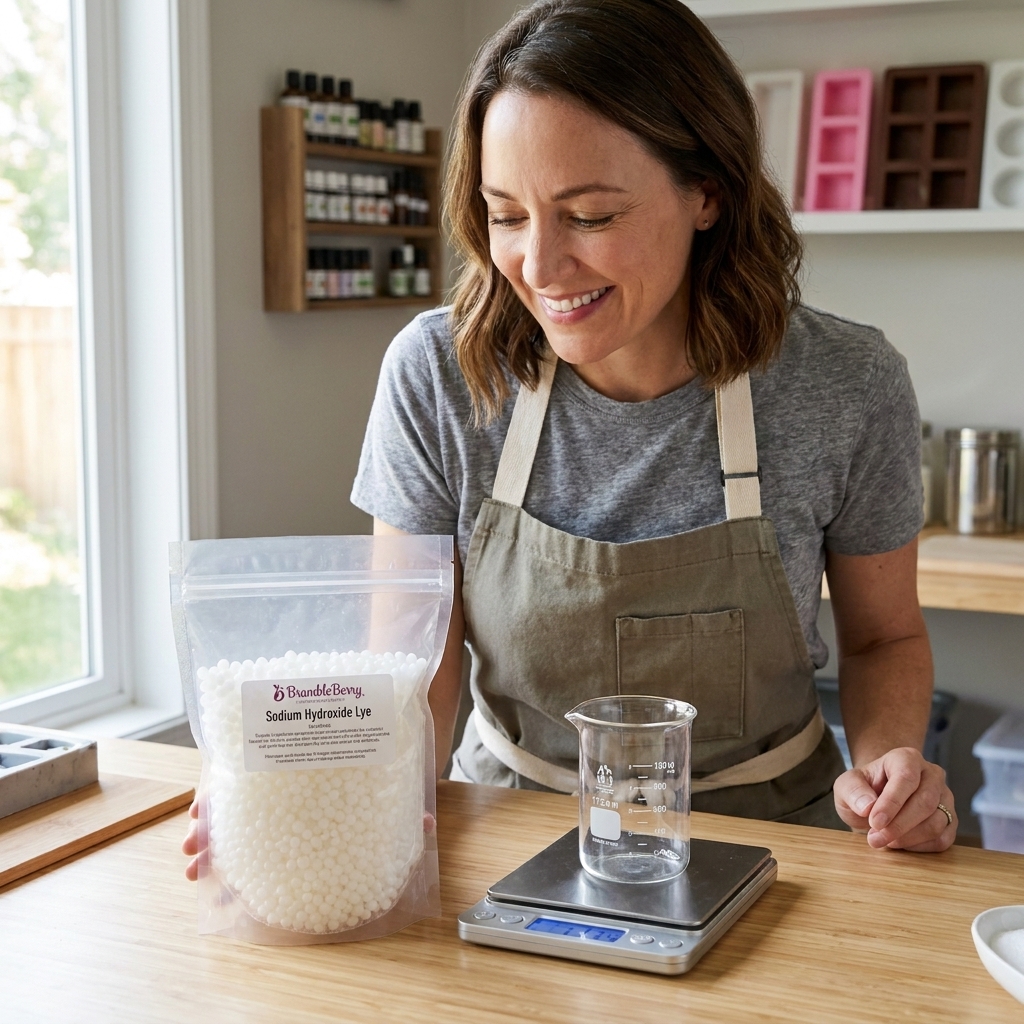
Online is often the easiest way to get consistent, soapmaking-friendly lye. You can choose the form you like, buy in sizes that fit your batch schedule, and usually get clearer documentation.
Soap and cosmetic ingredient suppliers
This is my go-to route when I want fewer variables. Suppliers that cater to soapmakers typically:
- Package lye in purpose-fit containers or thick bags
- Use clear labeling and lot tracking
- Provide access to an SDS and sometimes a COA (certificate of analysis)
When you shop, look for listings that explicitly say sodium hydroxide (NaOH), state a purity (assay) like 98% to 100%, and specify the form (beads, flakes, microbeads).
Major online marketplaces
You can absolutely find good lye here, but you need to be pickier:
- Choose listings with a clear ingredient statement: sodium hydroxide (NaOH)
- Prefer products that link an SDS, list an assay, or come in a sealed manufacturer container
- Avoid vague wording like “lye-based” or “lye blend”
- Check reviews for mentions of clumping on arrival (often a moisture exposure issue)
- Be cautious with “repackaged” lye unless the seller provides solid documentation and tamper-evident packaging
How much to buy
If you are new, I recommend starting with a size you can use within a few months. Sodium hydroxide is stable on the shelf, but once opened it can absorb moisture and react with carbon dioxide from the air. Over time, that can create clumps and slightly reduce the effective strength. Smaller amounts are easier to keep dry and easy to handle safely.
How to confirm it is soap-safe
When in doubt, do a quick check before it ever touches your oils.
Read the label and docs
- Ingredient list: Should only be sodium hydroxide
- Purity (assay): Often 98% to 100%. If it is not 100%, use the documented assay to adjust if your calculator supports it.
- SDS or COA: A good sign, especially for online purchases
- Warnings: Caustic burn warnings are normal. Extra claims like “with corrosion inhibitors” are the issue.
Look at it
Fresh beads are typically white and free-flowing. Flakes look dry and papery. If your lye arrives as one solid mass, it likely absorbed moisture. You can sometimes break it up, but it is also a sign your storage plan needs to be extra moisture-proof from day one.
Weighing accuracy matters
Even perfect lye can make a mess of a batch if your scale is off. Use a digital scale that measures in grams and can reliably handle your batch sizes.
Safe handling basics
I am all for relaxed crafting energy, but lye is where we stay consistent. Build habits you can repeat every single time.
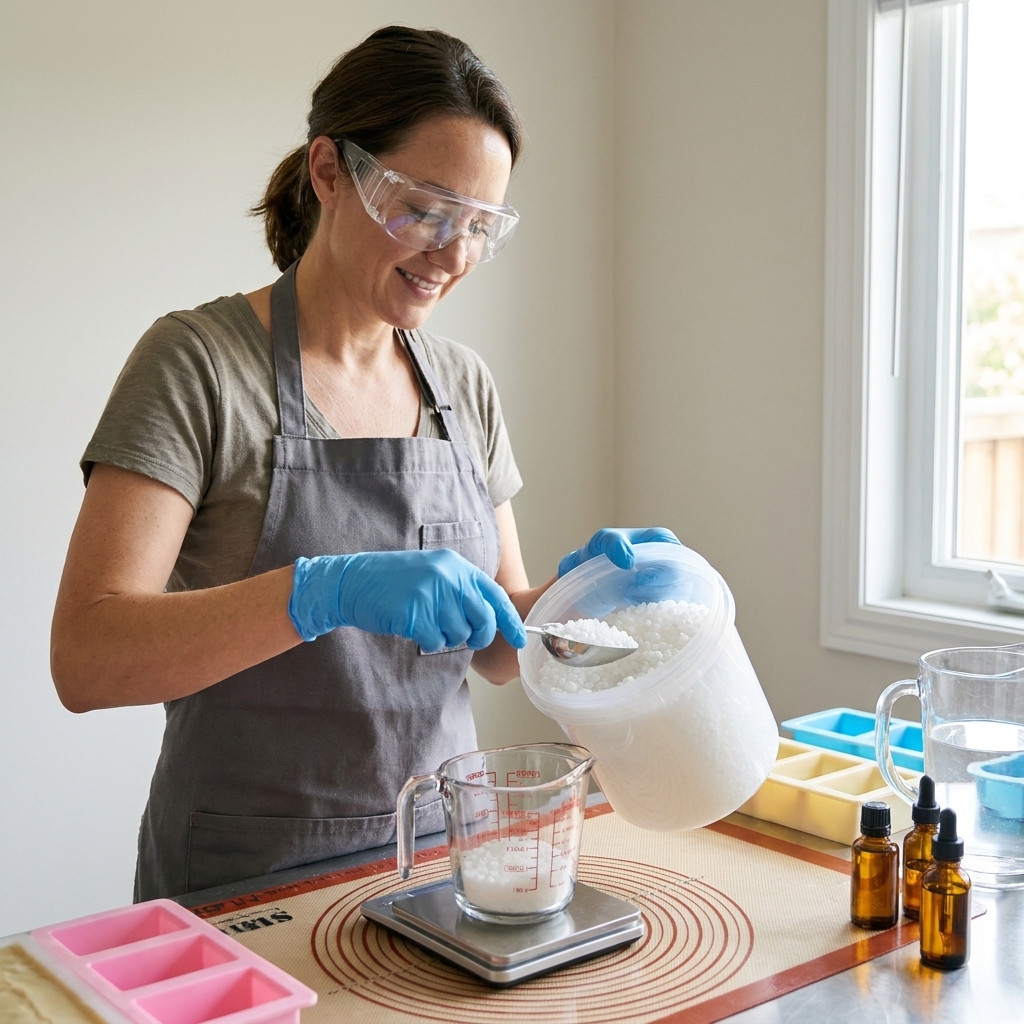
Wear the right protective gear
- Eye protection: Safety goggles that seal around the eyes are best
- Gloves: Nitrile gloves
- Clothing: Long sleeves and closed-toe shoes
Mix lye solution safely
- Always add lye to water, never water to lye. Adding water to lye can cause rapid heating, boiling, and caustic splatter.
- Mix in a well-ventilated area. The fumes right after mixing can be irritating.
- Use heat-safe containers such as stainless steel or heavy-duty polypropylene (often marked #5). Avoid aluminum.
Keep distractions out of the room
If you are tempted to soap while multitasking dinner or answering the door, consider this your nudge: lye is a no-interruptions ingredient.
How to store lye safely
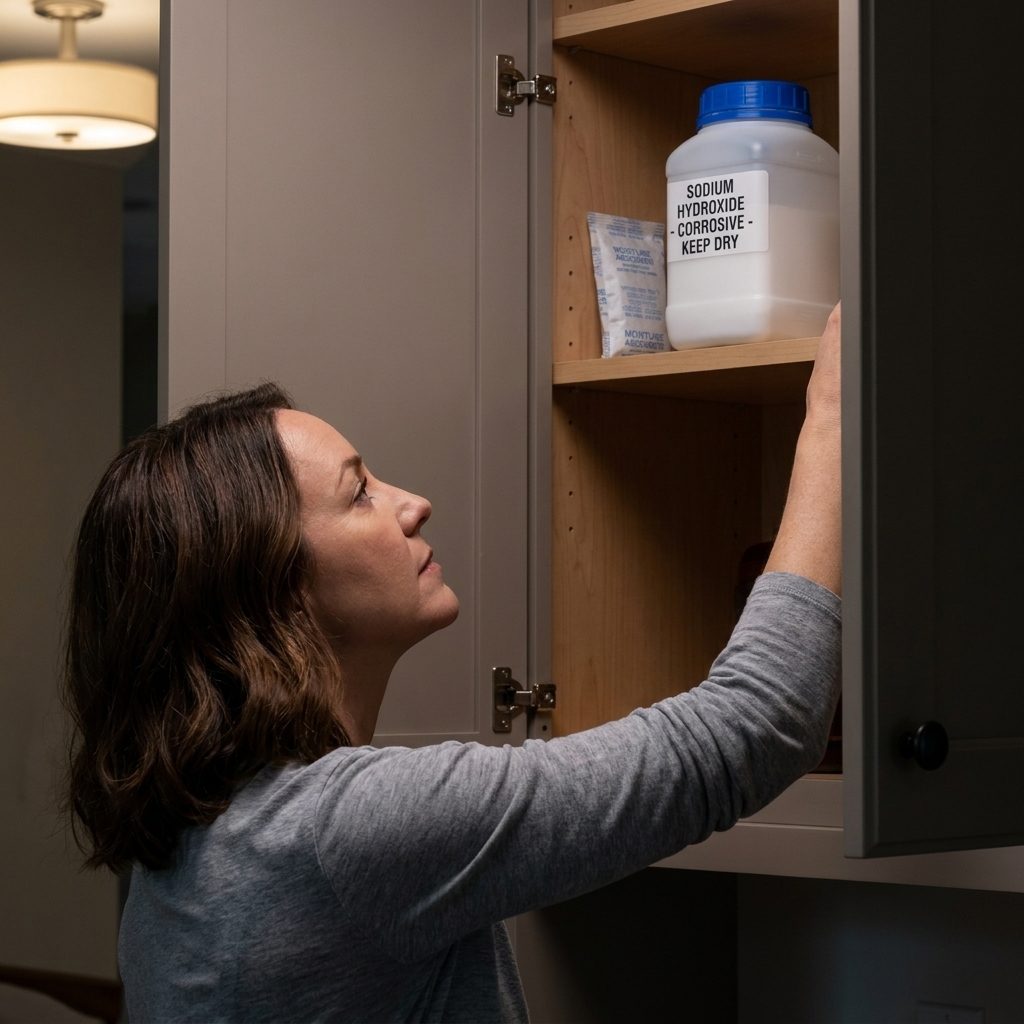
Lye is hygroscopic, meaning it pulls moisture from the air. Moisture leads to clumps, crusty lids, and inaccurate weighing over time. It can also slowly react with carbon dioxide in air, forming sodium carbonate and reducing the active NaOH percentage. The goal is to keep it sealed, labeled, and out of reach.
Best containers for lye
- Original container: If it is a sturdy HDPE bottle, keep it
- HDPE #2 container with a tight lid: Excellent for long-term storage
- Secondary containment: Place the primary container inside a lidded bin to catch spills if the container tips or cracks
Avoid glass for long-term storage if there is any chance it could be knocked over. The lye is not the issue, broken glass is.
Moisture-proof setup I actually use
- Keep lye in its original container with the lid tightly closed
- Store it inside a second sealed plastic bin (my caustics bin)
- Add a fresh silica gel desiccant pack to the outer bin (not inside the lye itself)
- Put the bin on a high shelf in a cool, dry area away from the kitchen sink and away from steamy bathrooms or laundry rooms
Labeling that prevents accidents
Even if you live alone, label like you are sharing your space with a well-meaning helper.
- Write: SODIUM HYDROXIDE (LYE) DANGER CAUSTIC
- Add the purchase date
- Do not store lye in any container that could ever be mistaken for food
Keep it away from acids
Store lye away from acids such as vinegar or citric acid powders. You do not want an accidental spill where the two can meet, react, and heat up. I keep all acids and chelators in a separate area from caustic ingredients.
Where not to store it
- Under the sink (humidity plus plumbing leaks)
- Near your soaping water source, dishwasher, or kettle
- In direct sunlight or high heat
- In a pantry next to ingredients like flour or sugar
If it clumps or seems off
Clumping is usually moisture exposure, not contamination. Small clumps are common if your lid was open a little too long on a humid day. The bigger issue is that clumping can make it harder to measure accurately and can signal your storage is letting humidity in.
What to do
- Check the container seal and upgrade it if needed
- Break up small clumps only if you can do it safely and without creating dust
- Weigh carefully, and do not assume a scoop is consistent
- If you suspect additives or you cannot verify what it is, do not use it for soap
Do not grind clumps into powder
Creating fine lye dust is a fast way to irritate lungs and eyes. If the lye is a rock-solid mass or the container shows obvious moisture damage, replacing it is often the safest move.
Measuring and spill cleanup
Little workflow tweaks make a huge difference with caustic ingredients.
- Measure lye over a tray or sheet pan to catch stray beads
- Use a dedicated scoop and a dedicated container for weighing
- Close the lye container immediately after dispensing
If you spill dry lye
- Keep your gloves and eye protection on, and keep kids and pets away.
- Carefully sweep or scoop up the dry beads without adding liquid. Avoid creating dust.
- Once the solids are fully removed, wipe the area with plenty of water. If you want to use a little diluted vinegar to neutralize residue, do it after the beads are gone, not while solids are still present.
- Dispose of cleanup materials carefully and wash your hands and tools well.
Quick FAQ
Is drain cleaner lye safe for soapmaking?
Sometimes, but only if the label clearly lists sodium hydroxide as the only ingredient, ideally with a stated purity or an SDS you can review. Many drain cleaners include additives. If it is not clearly NaOH-only, skip it.
What is the best form for beginners: beads or flakes?
Beads or pearls are my favorite because they pour cleanly and tend to create less dust than very fine flakes. Flakes work too, just move a little slower and keep your container close to the scale.
Can lye go bad?
It does not spoil like food, but it can absorb moisture and react with carbon dioxide from the air if it is repeatedly exposed. That can cause clumping and can reduce the effective NaOH strength over time. Stored well in airtight containers, it stays usable for a long time.
Can I store lye in the garage?
If your garage is consistently cool and dry, possibly. Many garages swing humid or hot, which encourages clumping and can degrade packaging. A climate-stable indoor cabinet on a high shelf is usually safer.
Should I store lye and fragrance oils together?
I do not. Fragrance oils can leak, and lye deserves its own clearly labeled space. I keep caustic ingredients separate from anything that smells nice or looks edible.
How do I dispose of unwanted lye?
If you have lye you cannot verify or no longer want, keep it sealed in a clearly labeled container and follow your local household hazardous waste guidance. Do not leave loose dry lye in the trash where it can spill and react with moisture.
Shopping checklist
- Buy sodium hydroxide (NaOH), not potassium hydroxide (KOH)
- Confirm it is NaOH-only and high purity (commonly 98% to 100%)
- Check the SDS or COA when available, especially online
- Avoid products with added ingredients or vague wording
- Choose packaging that arrives sealed and dry
- Store in an airtight HDPE #2 container (or sturdy original container), then inside a secondary bin, high and dry
If you want the most stress-free path, order from a reputable soap supplier, then set up a dedicated lye storage spot before the box even arrives. Future-you will be grateful the next time you get the itch to soap on a rainy afternoon.