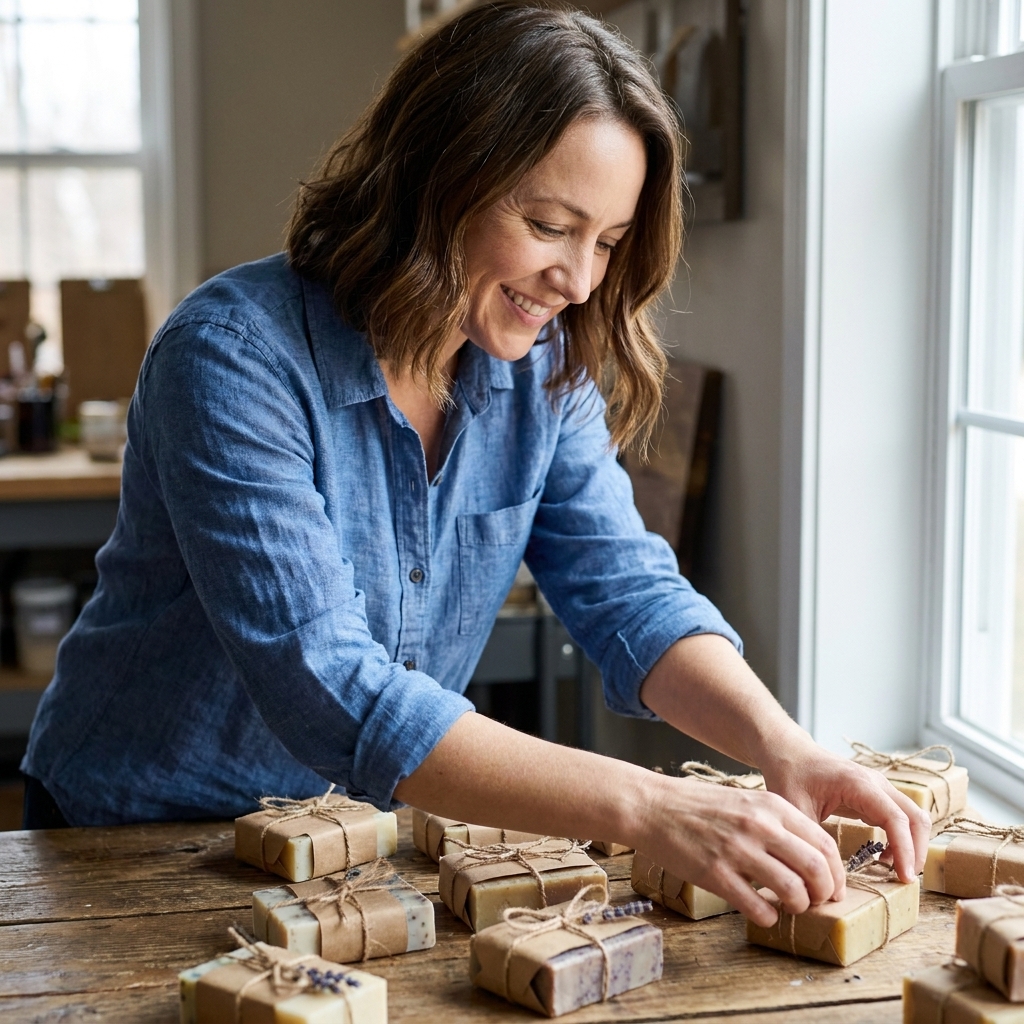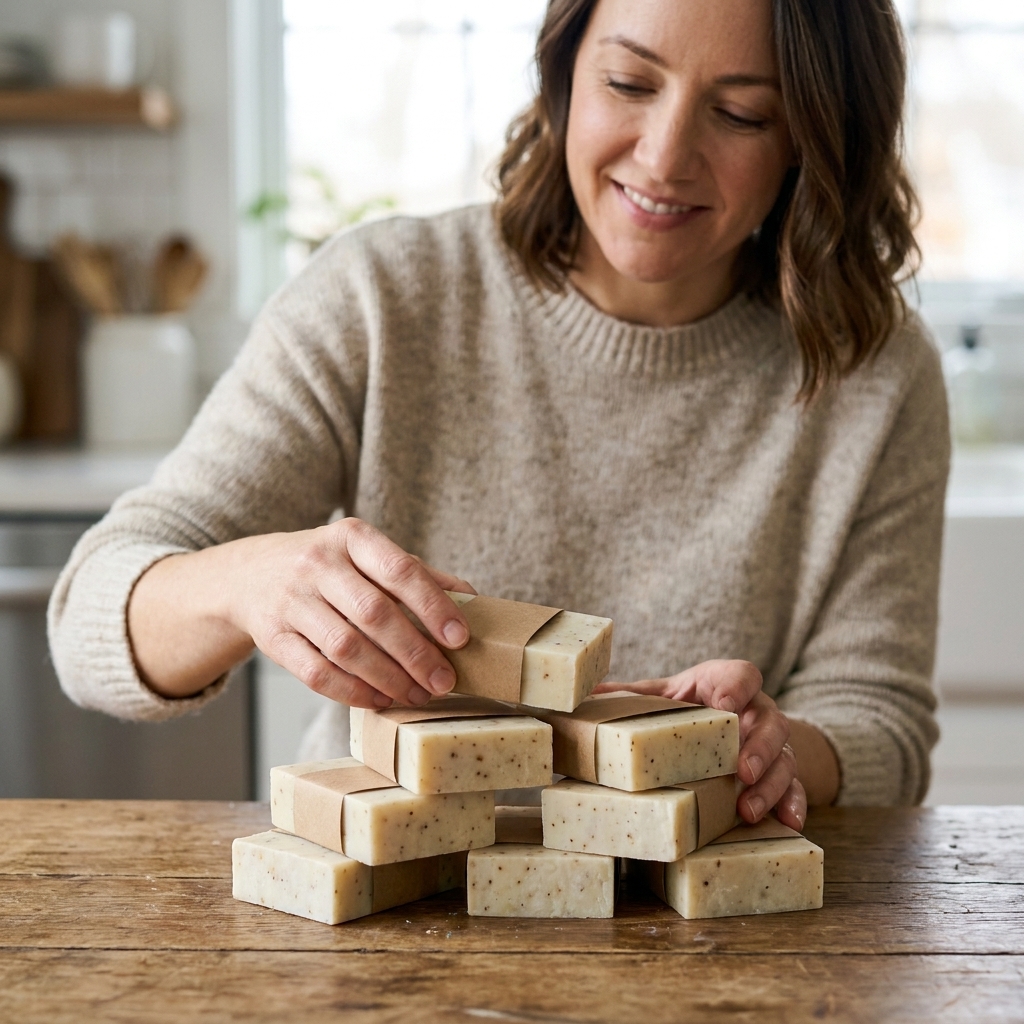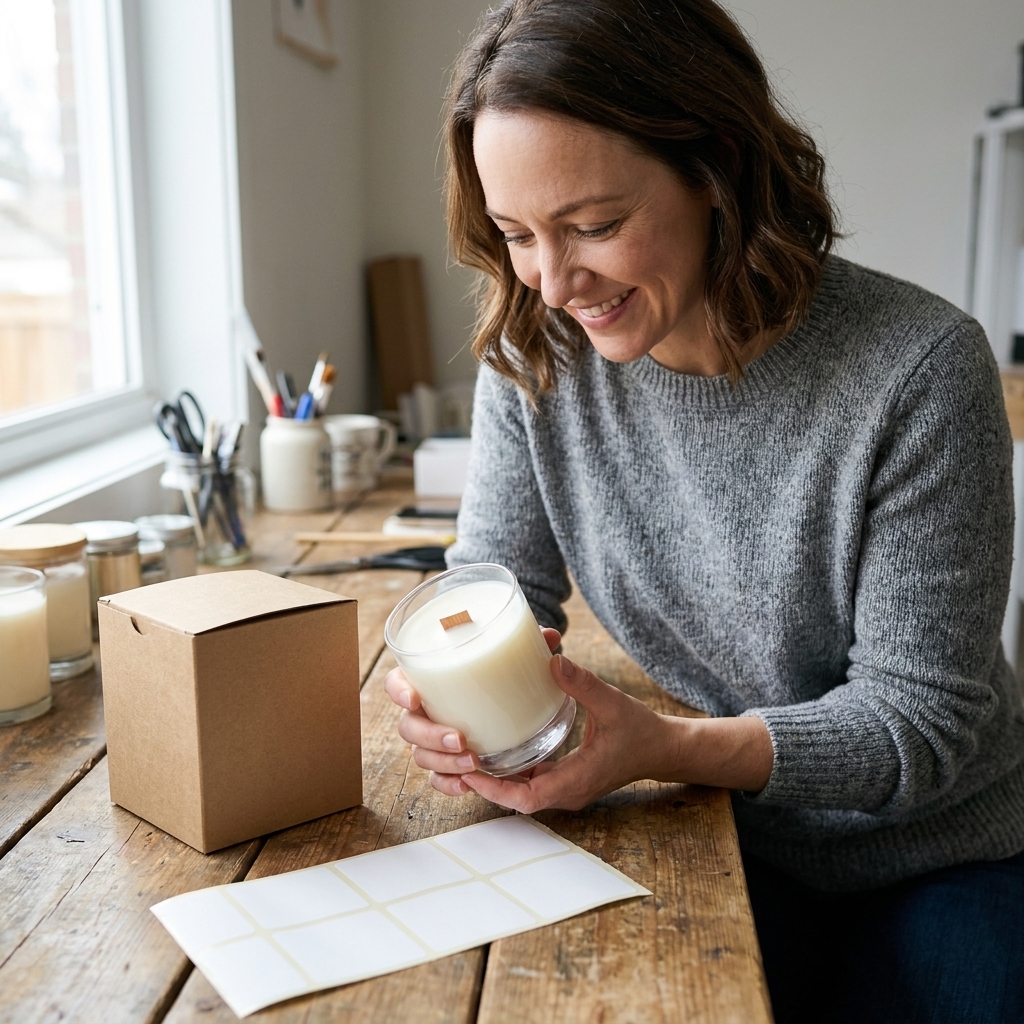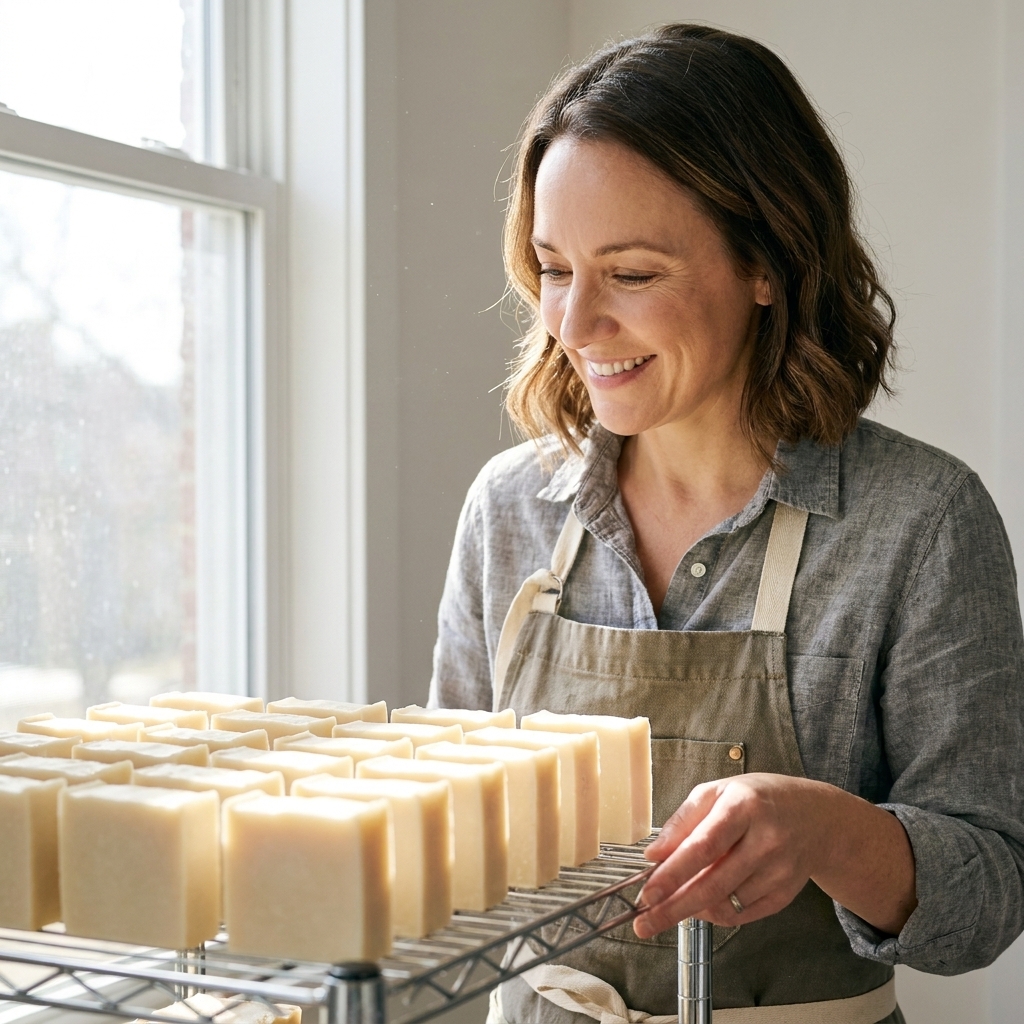
There is a special kind of satisfaction in wrapping up a batch of cold process soap that turned out just right. The cut edges are crisp, the scent blooms when you pick up a bar, and the color is exactly what you pictured when you first stirred in that clay or botanical. The question is what to put it in so it stays beautiful and feels like a gift.
Soap boxes fall into three common categories: standard kraft boxes, die-cut window cartons, and fully custom printed packaging. They can all work. The “best” choice depends on how cured your bars are, how delicate your design is, how many you are gifting, and how polished you want the presentation to feel.
What a soap box needs to do
Before we talk looks, I always start with function. A soap box should do four jobs well.
- Protect the bar: Prevent corner dings, surface scuffs, and the dreaded “mystery lint” that bars pick up in a busy craft space.
- Let the soap breathe: Cold process soap still contains water after unmolding. After a full cure, it can still benefit from airflow in humid conditions so it stays firm and clean-looking.
- Fit your bar without rattling: Too tight and you will smear designs or catch edges while sliding it in. Too loose and the bar bangs around and looks messy.
- Communicate what it is: Even for gifting, it helps when the recipient can see or read what they are holding, especially if you used essential oils or botanicals that someone might want to avoid.
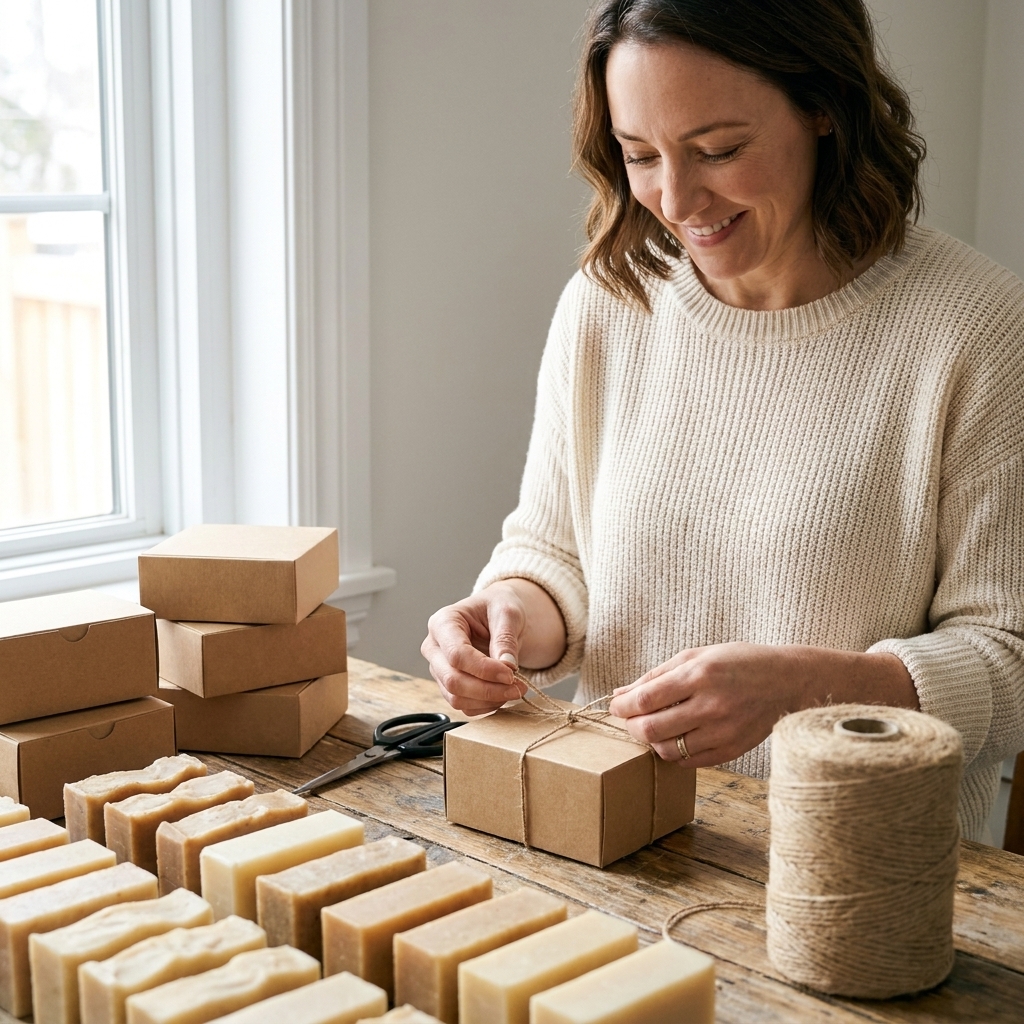
Standard kraft boxes
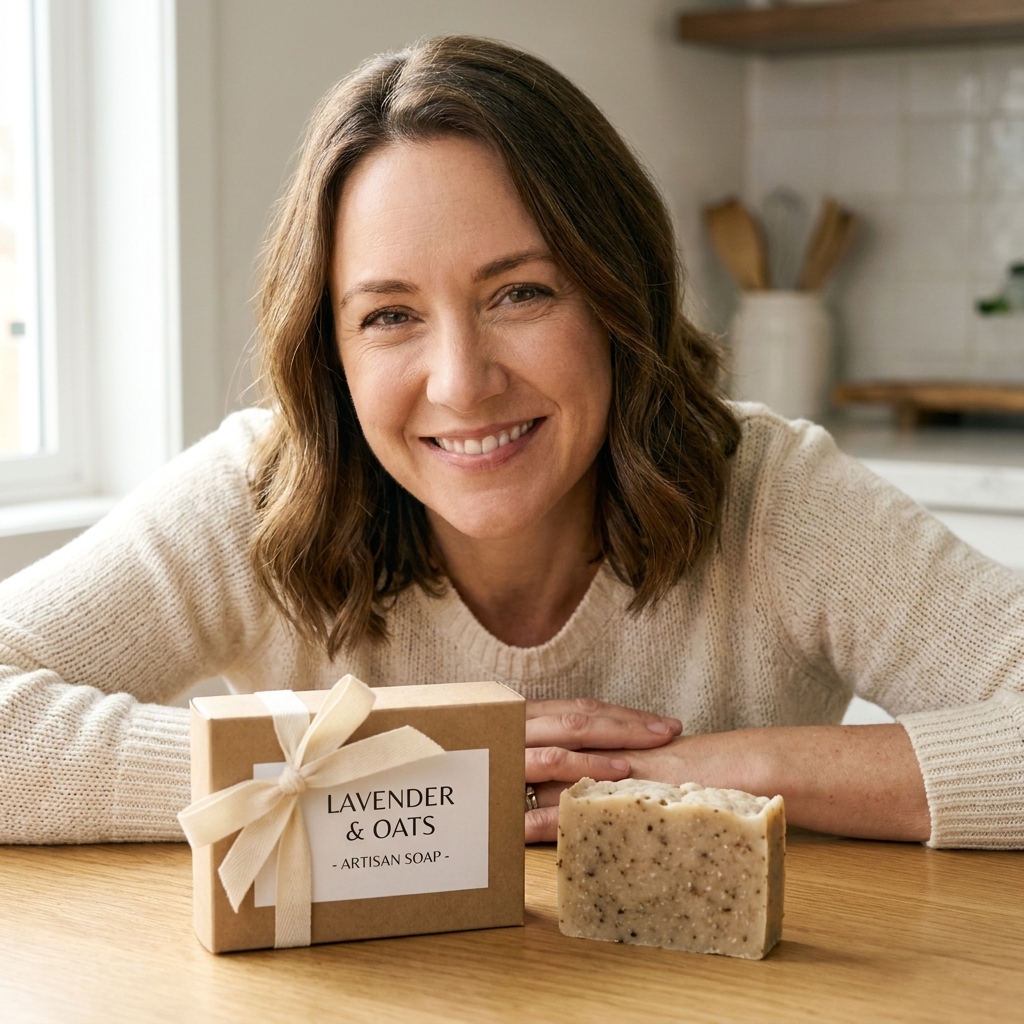
Plain kraft soap boxes are the reliable workhorse of gifting and markets. If you want something sturdy, simple, and easy to dress up with a label or twine, this is usually the lowest-stress option.
Best for
- Rustic, handmade presentation
- Batch gifting where you need consistency
- Soap with delicate tops you do not want rubbing against a window film
- Beginners who are still dialing in final bar size
Pros
- Forgiving fit: Many kraft boxes have just enough give that a slightly taller bar still slides in.
- Easy to label: Stickers adhere well to kraft and look intentional even if you are printing at home.
- Good protection: Solid panels reduce scuffing and protect corners.
- Budget-friendly: Especially in small quantities, they are typically the most economical.
Cons
- No instant “peek”: Without a window, your swirl and layers are hidden unless you add a photo label or leave one side partially open.
- Can look plain if unfinished: The box often needs a label, stamp, or belly band to feel gift-ready.
My maker tips
- Add breathability: If your kraft box is fully enclosed, choose a style with small ventilation holes or punch two to four discreet holes yourself (a standard hole punch works). This matters most in humid seasons or if your bars are still finishing their cure.
- Prevent scuffed corners: For very crisp, freshly planed bars, tuck a thin sheet of glassine inside the box, or use a simple belly band instead of forcing the bar into a snug carton.
- Dress it up fast: A kraft box plus a white label and a tiny wax seal style sticker is one of my favorite “looks expensive” combos.
Die-cut window cartons
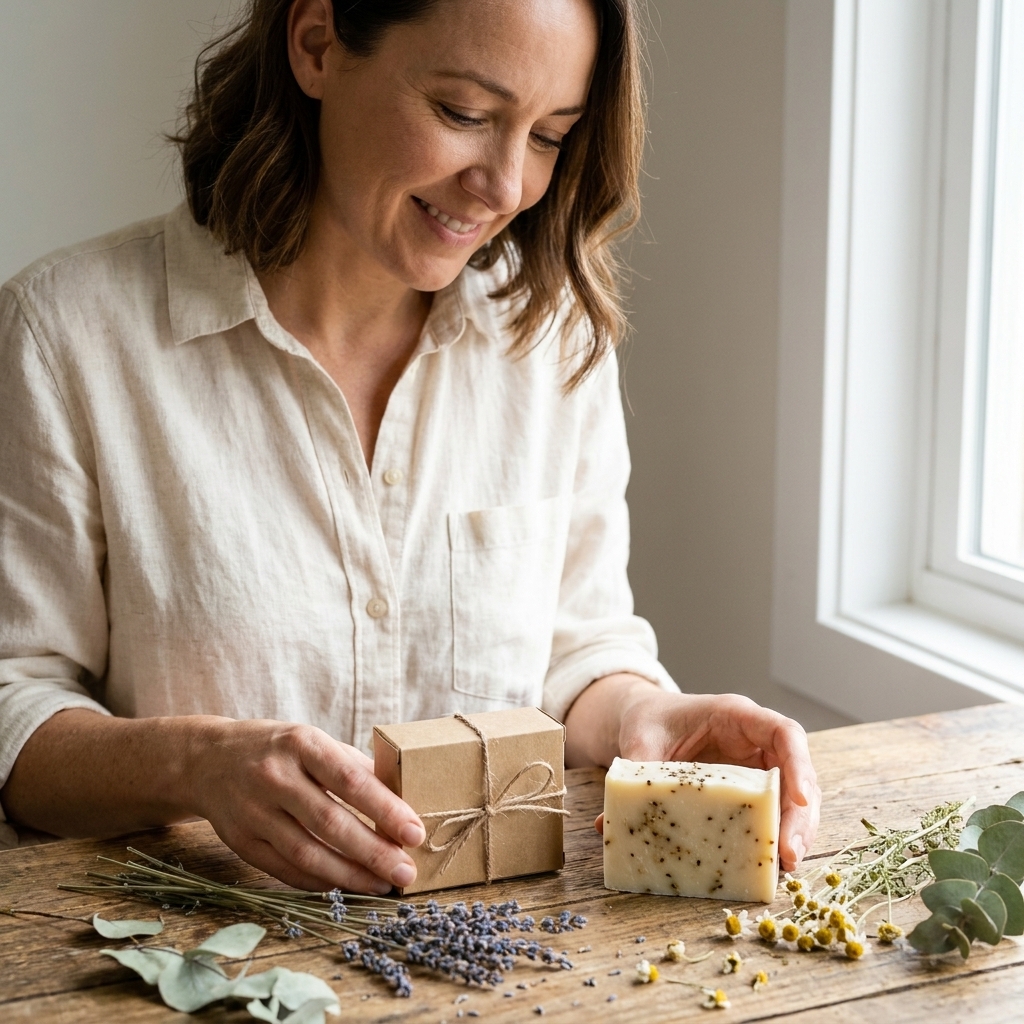
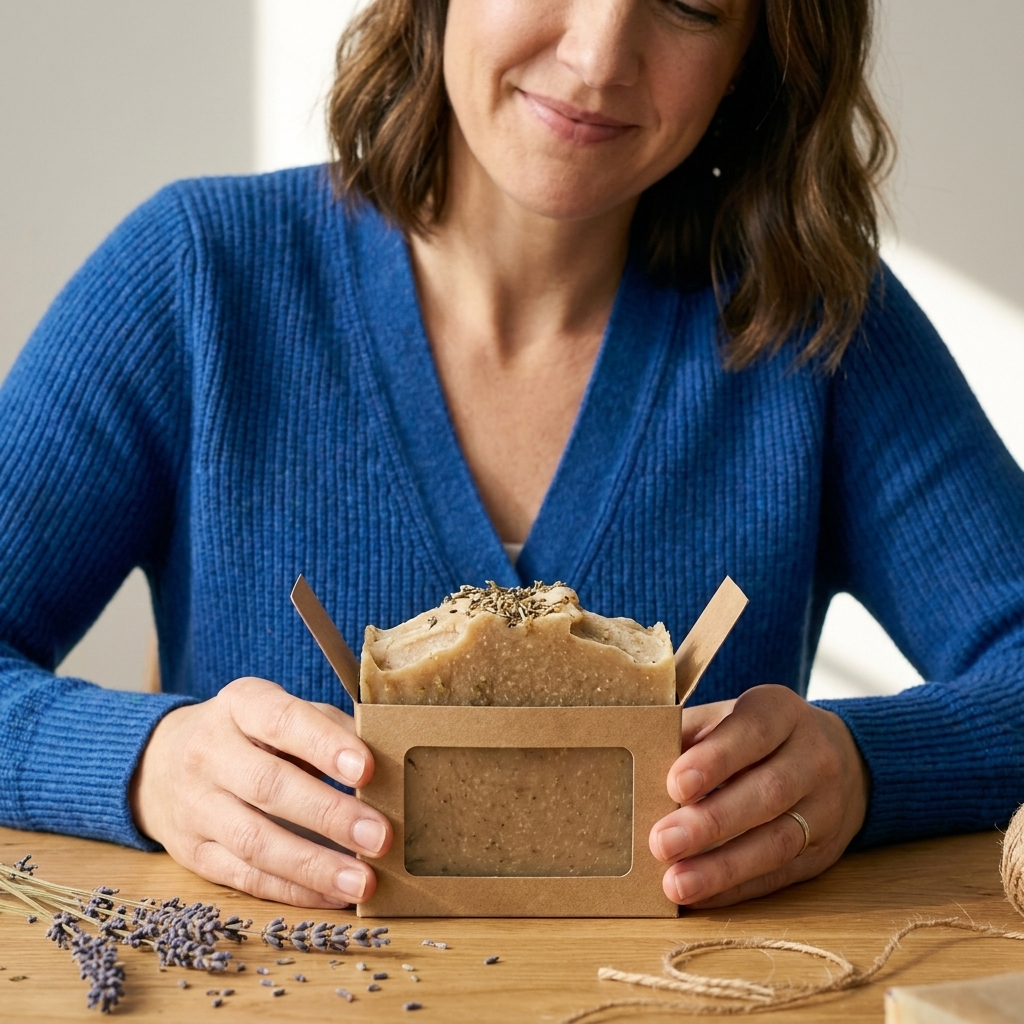
Window cartons are the “let me see that swirl!” option. They are store-bought boxes with a die-cut opening, usually covered with a clear film. When they work, they make a handmade bar look like it belongs in a boutique.
Best for
- Soaps with strong visual designs: swirls, embeds, layers, textured sides
- Gift sets where presentation matters
- Fairs and pop-ups where people buy with their eyes first
Pros
- Instant visual impact: A good window cut shows off color and texture without needing a lot of extra decor.
- Feels polished: Even with a simple label, window boxes read as intentionally packaged.
- Easy scent sampling: Depending on the carton and film, fragrance can often still come through.
Cons
- Moisture sensitivity: In humid climates, a plastic film window can reduce airflow right where the bar needs it, which can encourage sweating or soft edges if the soap is not fully cured. Recipes with sugar additives or other humectants tend to show this faster, and melt-and-pour is especially prone.
- Film scuffs: Clear windows can scratch during shipping or handling, which makes the whole package look less fresh.
- Shows every little flaw: If your bar has soda ash, drag marks, or a slightly uneven bevel, the window will highlight it.
My maker tips
- Only box fully cured soap: If I am using window cartons, I wait until the bars feel truly firm and lighter in the hand. For many cold process recipes, that is around 4 to 6 weeks, sometimes longer in humid weather.
- Keep the window clean: Handle cartons with dry hands and avoid setting them near mica dust. A quick microfiber wipe before gifting makes a huge difference.
- Choose a window that frames the best side: If your top is textured, pick a carton that showcases the face of the bar. If your face is simple but your side has a pretty swirl line, pick a style that shows more of the side profile.
Custom printed packaging
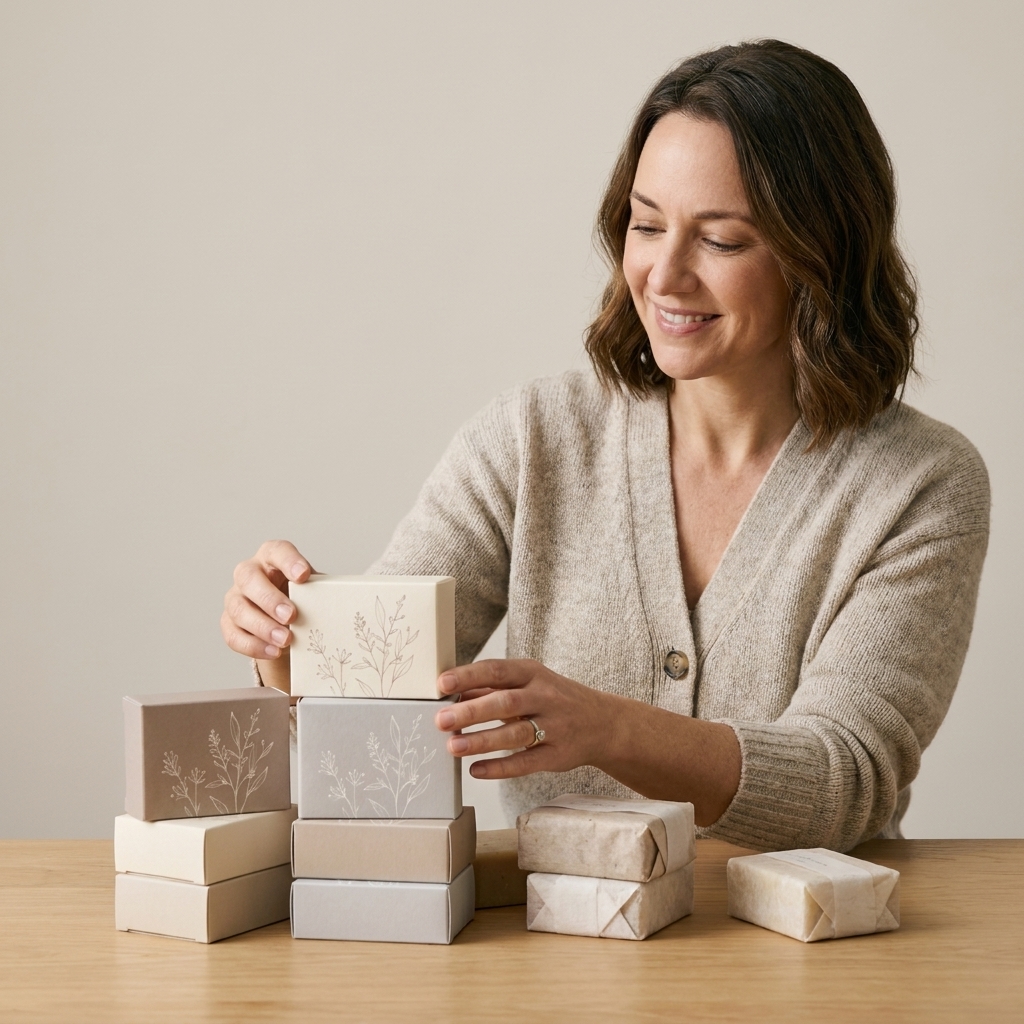
Custom printed boxes are where you get to build a brand experience: color palette, logo, ingredient panel, scent name, and that satisfying “this was made on purpose” feeling. It is also the category where small decisions like box finish and exact dimensions matter most.
Best for
- Large gifting runs (weddings, client gifts, holiday bundles)
- Small businesses that want cohesive shelf presence
- Soap makers who already have a consistent bar size and recipe lineup
Pros
- Professional look: A well-designed box makes even a simple single-color bar feel elevated.
- Built-in information: You can include scent notes, ingredients, batch number space, and usage tips without relying on a separate label.
- Consistent unboxing: If you ship gifts, a custom box can reduce the need for extra wrapping.
Cons
- Higher cost up front: Custom printing usually comes with minimum order quantities and setup costs.
- Less flexible: If you change bar size, add a taller design, or switch to thicker bevels, suddenly your inventory of boxes does not fit.
- Design time: You will spend time proofing, choosing finishes, and making sure colors print the way you expect.
My maker tips
- Measure your cured bars, not your mold: Soap shrinks a bit as it cures. Design box dimensions around the average cured size plus breathing room.
- Choose a finish that suits hands and humidity: Matte finishes hide scuffs and fingerprints better than high gloss. In my experience, matte also feels more handmade even when the printing is crisp.
- Plan for labeling flexibility: Even with custom print, I love leaving a small blank area for a batch sticker or scent sticker. It keeps the box reusable across multiple scents.
- Prioritize airflow: If the box is fully enclosed, request subtle vent holes or use an insert style that does not seal the bar in plastic.
Quick pick guide
If you want a simple way to decide, here is how I usually steer makers when they email me with packaging questions.
- You are gifting 6 to 20 bars and want low fuss: Go with standard kraft boxes and add a pretty label or belly band.
- Your design is the selling point: Choose a die-cut window carton, but only after a full cure and with careful handling.
- You are packaging 50+ bars and want a cohesive brand look: Custom printed boxes are worth pricing out, especially if your bar size is consistent year-round.
- Your climate is humid: Favor kraft boxes with ventilation or belly bands over tight, film-heavy packaging.
- You are short on time: Kraft + label + twine is the fastest path to gift-ready.
Fit and protection
Box sizing that does not fight you
I like a “not snug, not sloppy” fit. Aim for a few millimeters of extra room in each direction so you are not scraping the bar on the way in. If your soap has a mica line or textured top, give it a touch more headspace.
Prevent dents, drag marks, and ash surprises
- Let the bar rest before boxing: Even if it is fully cured, freshly planed bars can be easier to ding. I often plane, then let bars sit overnight before packaging.
- Use a paper barrier for delicate finishes: Glassine or a thin paper wrap inside a box can protect intricate stamping or a soft, buttery formula.
- Handle soda ash first: If ash bothers you, clean it off before the bar goes behind a window. Steam, a quick rinse and dry, or planing can help depending on your design.
Shipping and storage
If you are mailing soap gifts or transporting inventory to a market, packaging has a second job: it has to survive movement, heat, and friction.
- Stop the rattle: If the bar can slide inside the box, add a snug paper wrap or a small cardboard insert. Scuffed corners usually happen in transit, not on your worktable.
- Protect the window: For window cartons, keep a thin sheet of paper between the window and anything that can scratch it, and avoid packing cartons so tightly that the soap gets pressed into the film.
- Watch heat: A hot car or a sunny porch can soften soap surface oils and make sweating more likely. If you ship in summer, keep boxes out of direct heat and consider a sturdier outer mailer with padding.
Gift-ready upgrades
You do not need custom printing to make packaging feel special. A few small finishing touches can turn a plain box into something people keep on their bathroom counter.
- Belly bands: Great for showcasing a scent name and ingredients while still letting the kraft texture shine.
- Wax seals and embossed stickers: A tiny detail that reads as luxurious without being fussy.
- Natural accents: A dried orange slice or sprig of rosemary can be gorgeous for photography, but for gifting I keep botanicals outside the box so nothing rubs the soap or sheds into the package.
- Color coding: Use different label colors for different scents. Your future self will thank you when you are packing in a hurry.
FAQ
Is it okay to box soap before it is fully cured?
I avoid it whenever possible. Boxing too early can trap moisture, soften edges, and dull the finish, especially in window cartons. If you must package early for an event, use breathable packaging like a belly band or a ventilated kraft box, and store the boxed bars in a dry, airy spot.
Do window boxes make soap sweat?
They can, especially in humid weather or if the soap is not fully cured. The clear film can reduce airflow right where the bar needs it. If you love window cartons, cure fully, keep storage humidity low, and avoid stacking heavy items on top that press the bar into the film.
What is the most eco-friendly choice?
Plain kraft boxes and paper belly bands are often easiest to recycle in many areas, especially when they are uncoated. Recycling rules vary by location, and labels, tape, and window film can complicate things, so check what your local program accepts and remove what you can. No matter what you pick, right-sizing the box and avoiding excess filler is a quiet sustainability win.
When does custom printed packaging become worth it?
When you are making enough bars that the per-box cost drops and you are confident your bar size will stay consistent. It is also worth it when you need a cohesive, professional look across multiple scents, or when the packaging needs to carry more information than a simple label can hold.
Do I need an ingredient label if I am selling?
If you are selling, double-check your local labeling rules. At minimum, I like to include the soap name or scent, ingredients, and maker information, plus any clear heads-up for common sensitivities. Even when the rules are simple, good labeling is part of making it easy to gift and use.
My bottom line
If you want packaging that feels handmade and forgiving, start with kraft. If your soap design is your star, use a window carton and treat it like a display case. If you are ready for a truly branded, boutique finish, custom printed boxes are an investment that can make your bars feel like a complete product, not just a beautiful bar.
And if you are stuck between two options, I always vote for the one that protects the soap best. A perfect bar is the whole point, and the packaging should be the supportive friend, not the thing that scuffs your swirl five minutes before gifting.